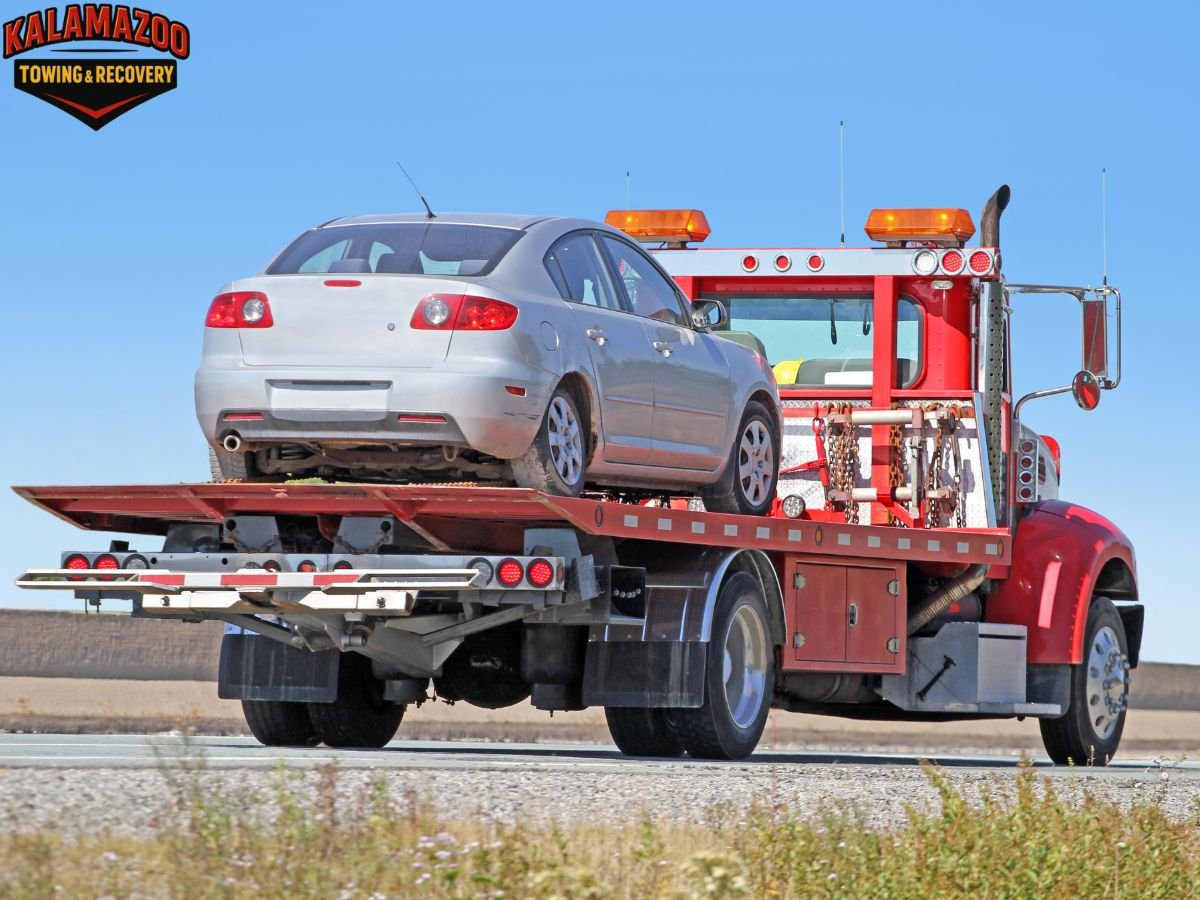

You’re cruising down the highway when suddenly your engine starts making a horrible grinding noise. Steam pours from under the hood, and your car loses power completely. Within seconds, you’re coasting toward the shoulder with traffic rushing past at 70 mph. Your heart races as reality sets in—you’re stranded, and you need help fast.
This scenario happens to millions of drivers every year. Whether it’s a blown tire, engine failure, or transmission problems, vehicle breakdowns strike without warning. The key to handling these emergencies safely lies in having a clear action plan before disaster strikes.
This guide provides you with a step-by-step roadmap to stay safe, get professional help, and minimize the stress of being stranded. Drawing from real driver experiences and roadside assistance experts, you’ll learn exactly what to do in those critical first minutes and how to navigate the entire emergency car towing process with confidence.
Immediate Safety Actions (First 5 Minutes)
Get to Safety Fast
Step 1: Signal Your Intentions Immediately Turn on your hazard lights the moment you realize something’s wrong. This alerts other drivers that you’re experiencing problems and helps prevent rear-end collisions.
Step 2: Find the Safest Pull-Over Spot
- Highway: Move to the rightmost shoulder as far from traffic as possible. If you can’t reach the shoulder, aim for the median strip
- City streets: Pull into a parking lot, side street, or wide shoulder away from busy intersections
- Rural roads: Get completely off the roadway, even if it means driving on grass or gravel
Step 3: Position Your Vehicle Properly Park your car so the front faces the direction of traffic flow. This makes it easier for tow trucks to load your vehicle and reduces the time you’ll be exposed to danger.
Secure Your Car and Belongings
Engage the Parking Brake Set your parking brake firmly and shift into park (automatic) or first gear (manual transmission). This prevents your car from rolling, especially on inclines.
Create Additional Safety Barriers If you have wheel chocks, place them behind your rear tires. No chocks? Use rocks, blocks of wood, or even shoes as makeshift barriers to prevent rolling.
Protect Your Valuables Keep important items like your wallet, phone, keys, and documents with you. Lock your car doors and close windows, but keep one window slightly cracked for ventilation if you need to wait inside.
Alert Traffic and Authorities
Set Up Emergency Warning Devices
- Place reflective triangles 100 feet behind your car (200 feet on highways)
- If you don’t have triangles, use flares, bright clothing, or anything that makes your car more visible
- Turn on your hazard lights and interior dome light
Know When to Call 911 Call emergency services immediately if:
- You’re on a busy highway with no safe place to wait
- Your car is leaking fluids that could cause environmental damage
- Anyone is injured
- Your breakdown is blocking traffic
- You feel unsafe for any reason
Contact Roadside Assistance For non-emergency situations, call your insurance company’s roadside service, AAA, or a local emergency car towing service. Have your policy number and location ready.
Assessing the Breakdown
Quick Self-Check Diagnostics
Look for Obvious Warning Signs Scan your vehicle for:
- Smoke or steam from the engine bay
- Fluid puddles under your car (oil, coolant, transmission fluid)
- Flat or damaged tires
- Unusual smells (burning rubber, hot metal, fuel)
Understand Dashboard Warning Lights
- Red engine temperature light = stop immediately, engine overheating
- Oil pressure warning = stop driving now to prevent engine damage
- Battery light = alternator or charging system problems
- Check engine light = run diagnostics, may be safe to drive slowly
Listen to Your Car
- Grinding noises = brake or transmission problems
- High-pitched squealing = belt issues
- Knocking sounds = serious engine trouble requiring immediate attention
Documenting the Incident
Take Photos for Insurance Capture images of:
- Your vehicle’s position and any visible damage
- The surrounding area and traffic conditions
- License plates if other vehicles are involved
- Mile markers or street signs showing your exact location
Record Critical Information Note the time, weather conditions, and your precise location. Use your smartphone’s GPS to get exact coordinates, or identify nearby landmarks, exit numbers, or mile markers.
Gather Witness Information If other drivers stopped to help or witnessed the breakdown, get their contact information. This can be valuable for insurance claims or if there are questions about what happened.
Communicating with Help
Prepare Key Details for Roadside Assistance When calling for emergency car towing, provide:
- Your exact location (GPS coordinates, mile marker, cross streets)
- Vehicle make, model, year, and color
- Description of the problem and symptoms
- Whether the car is drivable or needs towing
- Your contact information and policy numbers
Manage Expectations and Commitments Contact family members, employers, or anyone expecting you. Provide realistic updates about delays and arrange alternative transportation if you have urgent commitments.
Common Car Breakdown Scenarios & What to Do
Engine Problems
Overheating Emergency Protocol If your temperature gauge shows red or steam appears:
- Pull over immediately and turn off the engine
- Do NOT remove the radiator cap while hot—wait at least 30 minutes
- Check for obvious leaks or broken hoses
- If coolant is low and the engine has cooled, add water as a temporary fix
- Call for emergency car towing if the problem persists
Oil and Pressure Warnings When oil pressure warning lights appear:
- Stop driving immediately to prevent catastrophic engine damage
- Check oil level with the dipstick (engine must be off and cool)
- Add oil if extremely low, but avoid driving if the warning persists
- Tow truck service is usually necessary for pressure-related problems
Electrical System Failures For battery or alternator issues:
- Try jump-starting if you have cables and another vehicle
- Test battery connections for corrosion or loose terminals
- If jump-starting fails or the car dies again quickly, you likely need professional diagnosis
Tire & Brake Issues
Tire Blowout Response When a tire blows out:
- Grip the steering wheel firmly with both hands
- Avoid sudden braking or steering corrections
- Let the car slow naturally while maintaining control
- Gradually steer toward a safe area off the roadway
- Only brake gently once you’ve slowed significantly
Safe Tire Changing Procedure If you’re comfortable changing a tire:
- Ensure you’re on level, stable ground away from traffic
- Use wheel chocks on the opposite end of the car
- Loosen lug nuts before jacking up the vehicle
- Follow your owner’s manual for proper jack placement
- Never put any part of your body under a jacked-up car
Brake System Failures If your brakes fail:
- Pump the brake pedal rapidly to build pressure
- Downshift to lower gears to slow the engine
- Use the emergency brake gradually—don’t slam it on
- Look for uphill areas, soft surfaces, or guardrails as last resorts
- Sound your horn and flash lights to warn other drivers
Transmission & Steering Problems
Transmission Trouble Indicators Signs you need immediate towing:
- Gears slipping or won’t engage
- Grinding noises when shifting
- Burning smell from transmission fluid
- Car won’t move despite engine running normally
Power Steering Failure If steering becomes extremely difficult:
- Slow down immediately and use both hands on the wheel
- Avoid sudden turns or lane changes
- Find the nearest safe place to stop
- Don’t attempt to drive long distances without power steering
Working with Roadside Assistance & Towing
Choosing the Right Tow Service
Understanding Towing Types
- Light-duty towing: Standard cars, SUVs, and small trucks
- Heavy-duty towing: Large trucks, RVs, and commercial vehicles
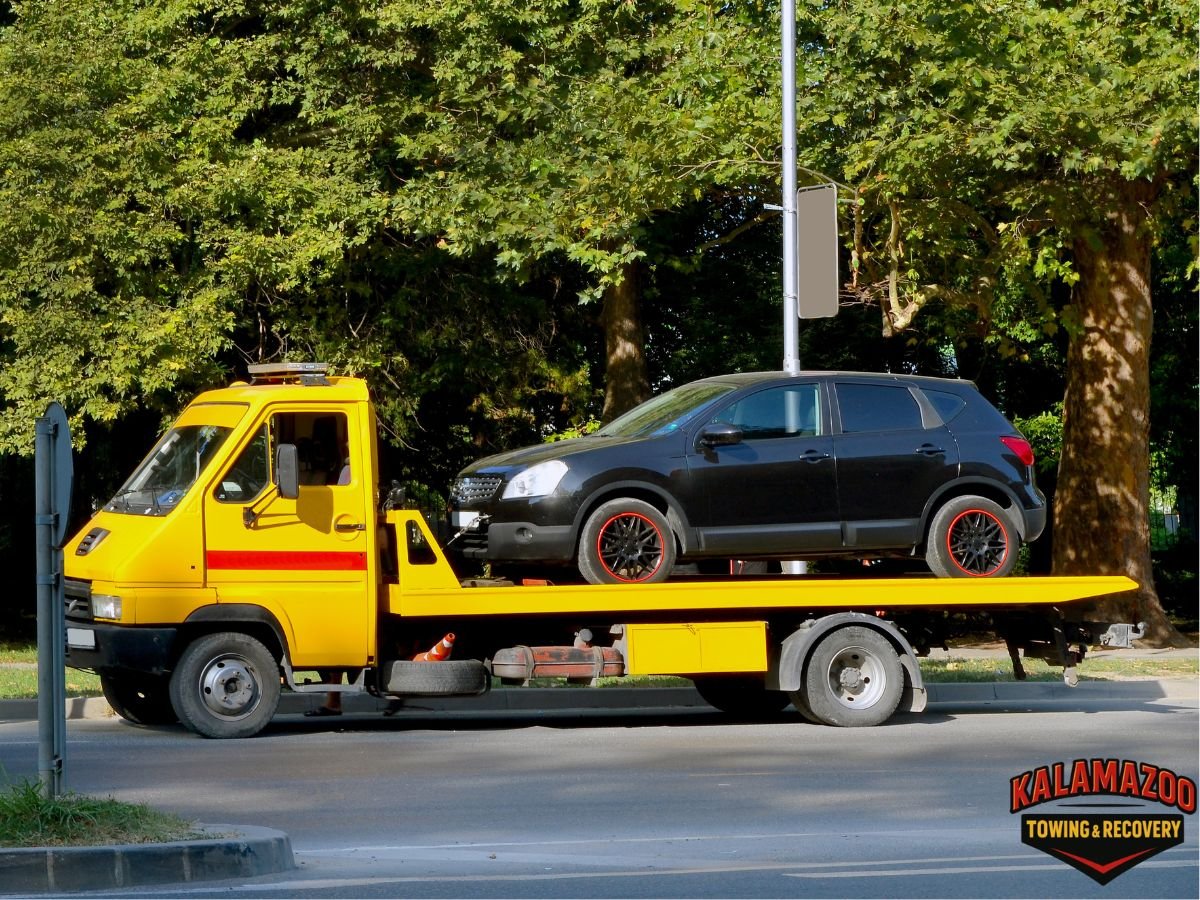
- Flatbed towing: Safest option for luxury cars, all-wheel drive, or severely damaged vehicles
24/7 Emergency Car Towing Availability Breakdowns don’t happen on schedule. Choose services that offer:
- Round-the-clock availability
- GPS dispatch for faster response times
- Clear upfront pricing with no hidden fees
- Licensed and insured operators
Insurance Coverage Considerations Check if your policy includes:
- Roadside assistance benefits
- Towing distance limits (typically 5-100 miles)
- Reimbursement procedures for out-of-pocket expenses
- Preferred provider networks for potential discounts
Preparing for Tow Arrival
Essential Documents to Gather Have ready:
- Driver’s license and vehicle registration
- Insurance cards and policy information
- Roadside assistance membership cards
- Credit card for any additional charges
Vehicle Preparation Checklist Before the tow truck arrives:
- Remove all personal belongings you’ll need
- Turn off all lights and accessories to preserve battery
- Note your radio presets and seat positions
- Take photos of your odometer reading
Safety While Waiting
- Stay in your vehicle if traffic is heavy
- Stand away from the roadway when the tow truck arrives
- Wear bright or reflective clothing if you have it
- Keep your phone charged for communication
Repair vs. Tow Decision
When On-Site Repairs Make Sense Some problems can be fixed roadside:
- Jump-starting a dead battery
- Changing a flat tire
- Adding fluids (oil, coolant, windshield washer)
- Replacing blown fuses
Cost-Benefit Analysis of Towing Consider emergency car towing when:
- Repairs require specialized tools or parts
- Safety risks outweigh the cost of towing
- Your car needs diagnostic equipment
- Weather or location makes roadside repairs dangerous
Trusting Professional Judgment Experienced tow truck operators can often diagnose problems quickly. Listen to their advice about whether your car is safe to drive or needs immediate towing to prevent further damage.
Legal & Insurance Considerations
Insurance Coverage Rules
Standard Roadside Assistance Benefits Most policies cover:
- Towing to the nearest qualified repair facility
- Jump-starts and battery replacement
- Flat tire changes (if you have a spare)
- Lockout service
- Emergency fuel delivery
Documentation for Claims Keep records of:
- Tow receipts and service invoices
- Photos of the breakdown scene
- Police report numbers if applicable
- Communication logs with insurance representatives
Understanding Coverage Limits Know your policy’s:
- Maximum towing distance per incident
- Annual dollar limits for roadside services
- Excluded situations (racing, commercial use, etc.)
- Deductible amounts for different services
Safety & Liability Issues
Accident-Related Breakdowns If your breakdown resulted from an accident:
- Exchange insurance information with all parties
- Take photos of all vehicles and damage
- File a police report if required by law
- Don’t admit fault or sign documents you don’t understand
Protecting Passengers and Cargo
- Ensure all passengers exit safely away from traffic
- Secure loose cargo that could shift during towing
- Remove expensive electronics and valuables
- Consider ride-sharing or taxi service for passengers if towing will take time
State & Local Regulations
Towing Authorization Requirements Some jurisdictions require:
- Police approval for highway towing
- DOT permits for oversized vehicles
- Environmental reporting for fluid spills
- Specific signage or lighting during roadside operations
Understanding Your Rights You have the right to:
- Choose your own tow truck service (unless police-directed)
- Inspect your vehicle before signing release forms
- Receive itemized invoices for all services
- File complaints about unprofessional or overpriced services
Prevention & Preparedness Tips
Pre-Trip Checks
Essential Vehicle Inspections Before long trips, check:
- Tire pressure and tread depth
- Fluid levels (oil, coolant, brake, transmission)
- Battery terminals for corrosion
- Belts and hoses for cracks or fraying
- Lights, wipers, and horn functionality
Listening for Warning Signs Pay attention to:
- Unusual engine noises or vibrations
- Changes in how your car handles or brakes
- New dashboard warning lights
- Fluid leaks in your driveway or parking spot
Weather and Route Planning
- Check weather forecasts before traveling
- Identify rest stops and service centers along your route
- Consider alternate routes in case of road closures
- Plan extra time for challenging driving conditions
Route Planning with Backup Options
Research Emergency Services Before traveling unfamiliar routes:
- Locate 24-hour towing services along your path
- Save emergency numbers in your phone
- Identify hospitals and police stations
- Note cell phone coverage gaps or dead zones
Build Relationships with Local Providers
- Research well-reviewed towing companies in your area
- Keep contact information for trusted mechanics
- Join roadside assistance programs (AAA, insurance add-ons)
- Ask friends and family for service recommendations
Emergency Kit Essentials
Basic Roadside Tools Pack these items in your trunk:
- Jumper cables or portable jump starter
- Tire pressure gauge and portable air compressor
- Basic tool kit (screwdrivers, pliers, adjustable wrench)
- Duct tape and zip ties for temporary repairs
- Emergency tire sealant
Safety and Communication Equipment
- Reflective triangles or flares
- Flashlight with extra batteries
- First aid kit with basic medications
- Emergency blanket and warm clothing
- Backup phone charger or power bank
Comfort and Sustenance Supplies For extended waits:
- Bottled water and non-perishable snacks
- Cash for emergency expenses
- Paper towels and wet wipes
- Entertainment for children (books, games, tablets)
Managing Costs & Delays
Controlling Towing & Repair Costs
Avoiding Unnecessary Expenses
- Request the closest appropriate repair facility
- Understand mileage charges before agreeing to long-distance towing
- Ask for written estimates before authorizing work
- Compare costs between dealers and independent mechanics
Roadside Assistance Program Benefits Annual memberships typically cost $50-150 but can save hundreds on:
- Emergency car towing services
- Battery jumps and replacements
- Lockout assistance
- Flat tire changes
Getting Upfront Price Quotes Before authorizing service:
- Ask for detailed cost breakdowns
- Confirm what’s included in base pricing
- Understand additional charges for after-hours service
- Get written estimates for any repair work
Minimizing Delays
Proactive Communication
- Call ahead if you’ll be late to appointments
- Arrange backup transportation for urgent commitments
- Reschedule deliveries or meetings as soon as possible
- Keep your employer informed about work-related delays
Emergency Transportation Options Consider these alternatives while your car is being repaired:
- Ride-sharing services (Uber, Lyft)
- Public transportation or taxi services
- Rental car coverage through your insurance
- Friends or family members who can provide rides
Keeping Family/Contacts Updated
Location Sharing Technology Use smartphone features to:
- Share your real-time location with trusted contacts
- Send automatic updates about your status
- Enable emergency contact notifications
- Use family tracking apps for peace of mind
Regular Communication Schedule
- Update key contacts every 30-60 minutes
- Provide realistic ETAs for your arrival
- Share the name and number of your towing service
- Confirm you’re safe and the situation is under control
Technology & Communication Tools
Mobile Apps for Emergencies
GPS and Navigation Apps
- Google Maps or Apple Maps for precise location sharing
- Waze for real-time traffic and hazard alerts
- What3Words for extremely precise location identification
- Offline map downloads for areas with poor cell coverage
Roadside Assistance Apps Popular options include:
- AAA mobile app for members
- Insurance company apps with roadside features
- HONK, Urgently, or other on-demand towing platforms
- State DOT apps with traffic and construction updates
Weather and Safety Apps
- National Weather Service alerts
- Emergency broadcast systems
- Local news apps for traffic updates
- Red Cross emergency preparedness information
Vehicle Monitoring Tech
Modern Car Safety Features Many newer vehicles include:
- Automatic crash notification systems
- Built-in emergency calling (OnStar, etc.)
- Predictive maintenance alerts
- Remote diagnostic capabilities
Fleet and Family Tracking
- Life360 for family location sharing
- Commercial fleet management systems
- Teen driver monitoring programs
- Elderly driver safety check-ins
Emergency Communication Protocols
Maximizing Phone Battery Life When stranded:
- Switch to low-power mode immediately
- Close unnecessary apps and features
- Dim screen brightness
- Disable location services for non-essential apps
- Use airplane mode in areas with poor signal to prevent battery drain
Alternative Communication Methods
- Text messages often work when calls fail
- Social media check-ins to alert friends
- CB radio apps for truckers and emergency channels
- Satellite communicators for remote area travel
Seasonal & Regional Challenges
Weather-Related Breakdowns
Winter Emergency Preparedness Cold weather increases risks of:
- Battery failures due to reduced capacity
- Frozen door locks and windows
- Tire pressure drops and blowouts
- Engine problems from thick oil or frozen coolant
Winter emergency kit additions:
- Ice scraper and snow brush
- Sand or kitty litter for traction
- Extra blankets and warm clothing
- Hand and foot warmers
Summer Heat Challenges Hot weather commonly causes:
- Engine overheating and coolant leaks
- Tire blowouts from overinflated or worn tires
- Air conditioning failures
- Battery problems from extreme heat
Storm Preparedness During severe weather:
- Monitor weather alerts and road conditions
- Avoid driving through flooded areas
- Keep emergency supplies updated
- Plan alternate routes around storm systems
Road Type Challenges
City Breakdown Management Urban breakdown challenges:
- Heavy traffic increases accident risks
- Limited safe spaces to pull over
- Higher crime rates in some areas
- Faster emergency response times
Best practices:
- Get to well-lit, populated areas if possible
- Use parking lots or side streets when available
- Call police if you feel unsafe
- Consider ride-sharing to safer locations
Rural Breakdown Strategies Country road difficulties:
- Longer emergency response times
- Limited cell phone coverage
- Fewer nearby repair facilities
- Wildlife and weather exposure risks
Preparation tips:
- Tell someone your route and expected arrival time
- Carry extra supplies and water
- Download offline maps before traveling
- Consider satellite communication devices
Highway Breakdown Safety High-speed road dangers:
- Fast-moving traffic with limited reaction time
- Wind from passing trucks
- Reduced visibility during bad weather
- Higher accident severity risks
Safety priorities:
- Get as far from traffic as possible
- Exit from the side away from traffic
- Stay behind barriers or guardrails when possible
- Consider leaving the vehicle if it’s safer
Making Smart Decisions Under Stress
Quick Safety Checklist
Immediate Safety Assessment Ask yourself:
- Is my vehicle visible to approaching traffic?
- Are emergency lights and warning devices activated?
- Am I in the safest possible position?
- Do I have a clear escape route if needed?
Securing Your Situation Confirm:
- Parking brake engaged and wheels chocked
- Hazard lights functioning and visible
- Personal belongings secured or removed
- Emergency contacts notified of your situation
Continue Driving vs. Stop
Risks of Pushing a Failing Vehicle Never continue driving if you experience:
- Complete loss of brakes or steering
- Engine overheating or oil pressure warnings
- Transmission failure or burning smells
- Any situation that makes the car unsafe to control
Weighing Urgency Against Safety Even in emergencies:
- Your safety is more important than being late
- Expensive repairs cost less than accidents or injuries
- Professional towing is cheaper than roadside engine replacement
- Insurance covers roadside assistance but not neglect-related damage
When to Wait for Professional Help Choose emergency car towing service when:
- You’re unsure about the problem or its severity
- Weather or traffic conditions make DIY repairs dangerous
- You lack the tools or knowledge for safe repairs
- The cost of potential damage exceeds towing fees
Conclusion & Expert Advice
Breakdown Action Plan Recap
First 5 Minutes: Secure Safety
- Activate hazard lights immediately
- Move to the safest available location
- Set up emergency warning devices
- Alert authorities if in immediate danger
5-15 Minutes: Assess and Communicate
- Perform quick diagnostics and document the scene
- Call roadside assistance or emergency car towing service
- Notify family, employer, or others expecting you
- Gather necessary documents and personal items
15+ Minutes: Manage the Situation
- Decide between on-site repairs or professional towing
- Coordinate with tow truck operators and repair facilities
- Arrange alternative transportation if needed
- Keep all receipts and documentation for insurance
Building Confidence for the Future
Regular Maintenance Prevents Emergencies The best breakdown is the one that never happens:
- Follow manufacturer maintenance schedules religiously
- Address warning signs before they become failures
- Build relationships with trusted mechanics
- Keep detailed service records
Learn Basic Roadside Skills Master these essential abilities:
- How to safely jump-start a battery
- Proper tire changing procedures
- Basic fluid level checks
- When to attempt repairs vs. call professionals
Develop Emergency Response Habits
- Keep your emergency kit stocked and current
- Practice using safety equipment before you need it
- Save important phone numbers in multiple locations
- Review your insurance coverage annually
Build Your Support Network
- Research and save contacts for reliable towing companies
- Join roadside assistance programs
- Exchange emergency contact information with family
- Know your route options and backup plans
Remember, vehicle breakdowns are stressful but manageable situations. With proper preparation, clear thinking, and professional help from emergency car towing services, you can handle any roadside emergency safely and efficiently. Stay calm, prioritize safety over speed, and trust that help is always available when you need it most.
The key to confidence on the road is preparation. By following this guide and building your emergency response skills, you’ll be ready to handle any breakdown situation that comes your way. Drive safely, stay prepared, and remember that every experienced driver has faced these challenges—and successfully overcome them. For immediate assistance, contact us anytime.