
Your car won’t start. The engine just died on the highway. You’re stranded in a parking lot with steam pouring from under the hood. In these stressful moments, you need help fast—but car towing costs can hit you with an unexpected financial blow when you’re already dealing with vehicle problems.
The average towing bill ranges from $75 to $300, but costs can spike much higher depending on factors you might not even consider. Without understanding what drives these charges, you could face surprise fees that turn a bad day into an expensive nightmare.
This guide breaks down every factor that affects your final towing bill, from distance and vehicle type to hidden fees and timing surcharges. You’ll learn exactly what to expect, how to avoid overpaying, and strategies to control your costs—even when you’re under pressure to get your car moved quickly.
Our recommendations come directly from towing company operators, roadside assistance experts, and insurance providers who see these situations daily. By the end, you’ll have the knowledge to make smart decisions and protect your wallet during automotive emergencies.
Core Factors That Affect Car Towing Costs
Distance and Location
Mileage charges form the backbone of most towing bills. After paying a base hook-up fee, you’ll face per-mile costs that typically range from $2 to $7 per mile. Short local tows under 10 miles often fall into flat-rate pricing, while long distance towing switches to strict mileage calculations.
Urban areas generally charge higher per-mile rates due to traffic congestion and higher operating costs. A 15-mile tow in downtown Chicago might cost $150, while the same distance in rural Iowa could run $90. However, rural areas sometimes have fewer towing options, which can drive prices up due to limited competition.
Highway towing services often charge premium rates because of safety hazards and traffic disruption. Interstate breakdowns can add 20-30% to standard towing fees, plus potential traffic fines that get passed to you.
Location accessibility matters too. If your car is stuck in a tight parking garage, down a steep embankment, or blocked by other vehicles, expect additional positioning fees of $50-$150.
Type of Vehicle and Tow Truck Needed
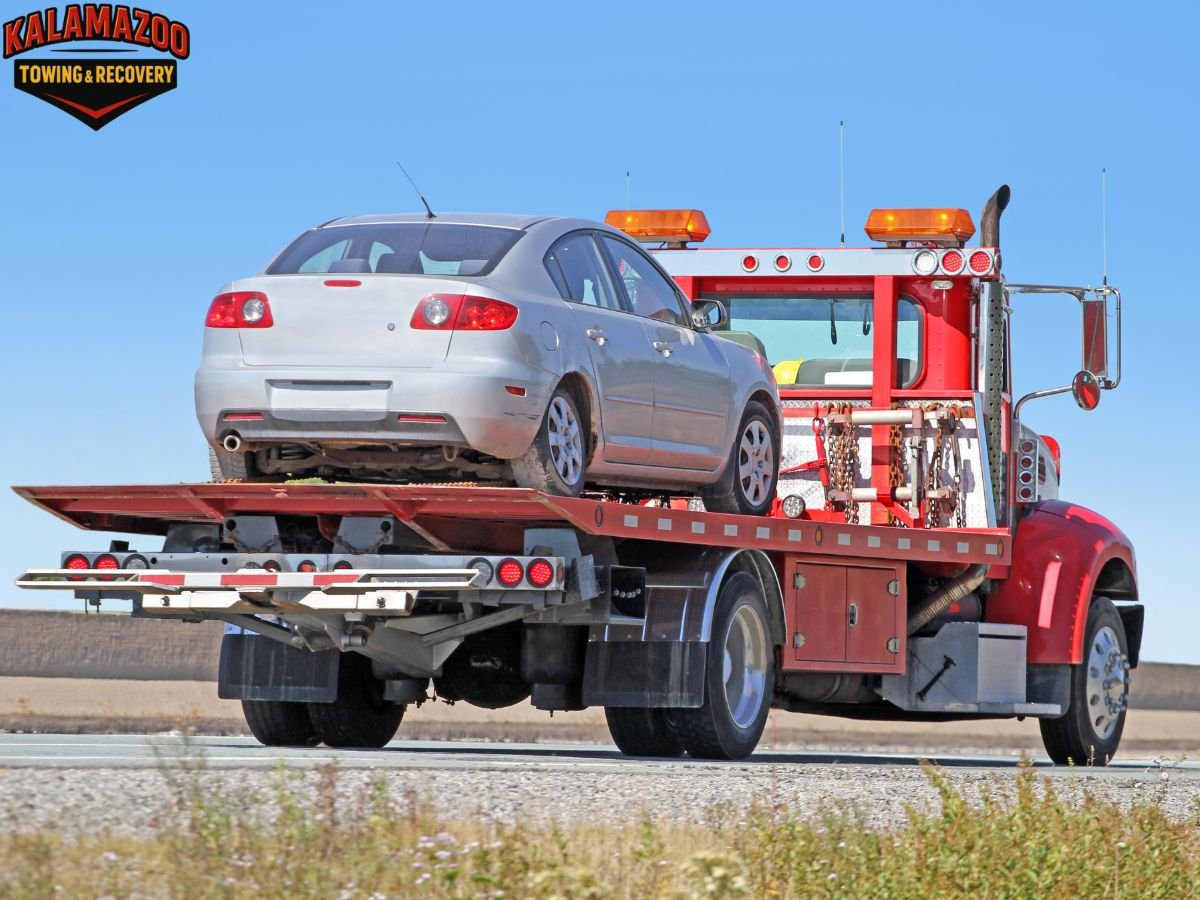
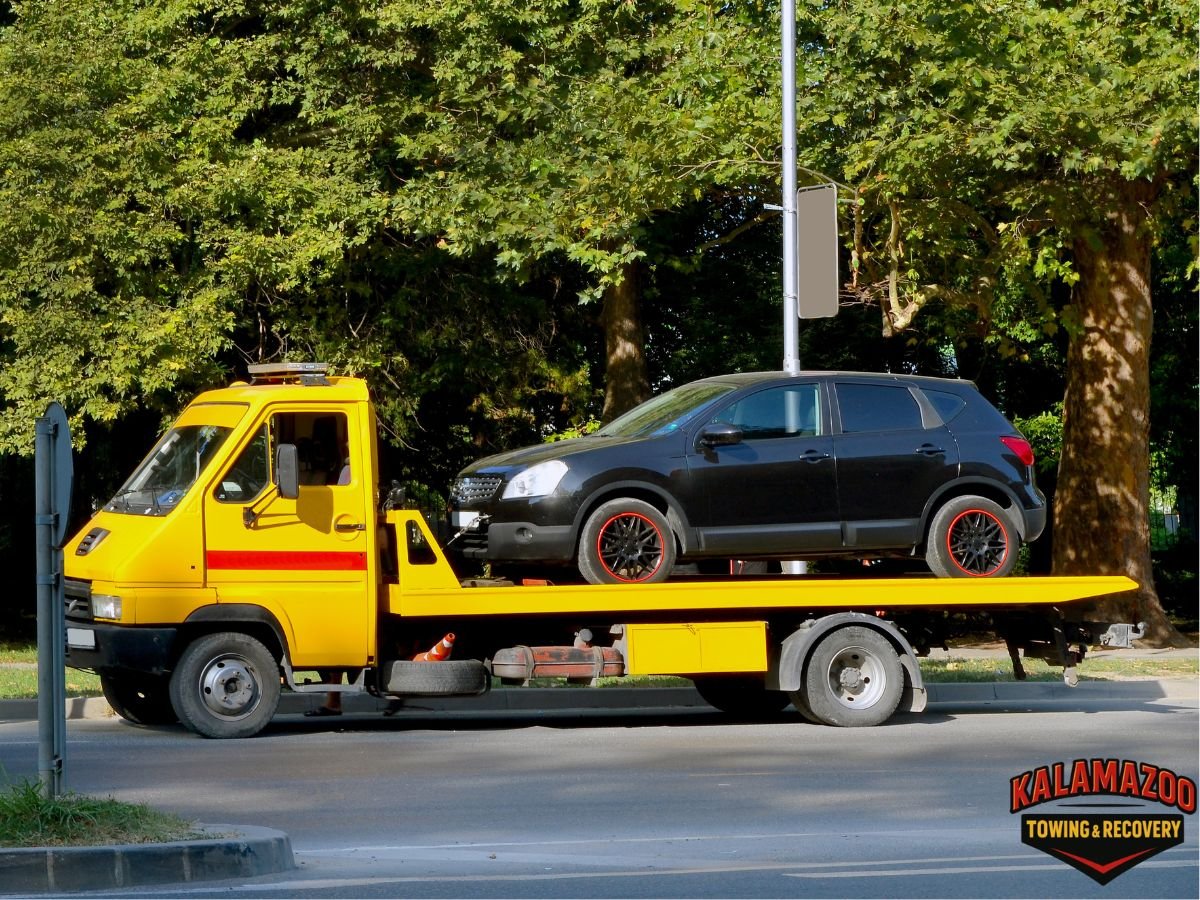
Your vehicle determines which type of tow truck responds—and significantly impacts your bill. Small sedans and compact cars work with basic wheel-lift towing at standard rates. SUVs, pickup trucks, and luxury vehicles often require flatbed towing, which costs 30-50% more than wheel-lift service.
Here’s how vehicle types affect towing costs:
- Compact cars and sedans: Standard wheel-lift towing at base rates
- SUVs and pickup trucks: May need flatbed service, adding $50-$100
- Luxury and sports cars: Require flatbed towing to prevent damage, premium rates apply
- Motorcycles: Specialized motorbike towing equipment needed, often $100-$200 flat rate
- Commercial vehicles: Heavy-duty towing with hourly rates of $150-$300
All-wheel-drive and four-wheel-drive vehicles must use flatbed trucks to avoid transmission damage. This requirement can double your towing costs compared to front-wheel-drive cars.
Vehicle modifications like lowered suspensions, custom bumpers, or oversized wheels can complicate the towing process and trigger additional handling fees.
Time of Day and Urgency
When you call for a tow dramatically affects what you’ll pay. Standard business hours (typically 8 AM to 6 PM, Monday through Friday) offer the lowest rates. After-hours service kicks in premium pricing that can increase your bill by 25-75%.
Emergency towing during nights, weekends, and holidays carries the highest surcharges:
- Weekday evenings: 25-40% surcharge after 6 PM
- Weekends: 30-50% premium for Saturday and Sunday service
- Major holidays: 50-75% holiday surcharge on Christmas, New Year’s, etc.
- Late night (midnight-6 AM): 40-60% overnight premium
Weather emergencies create surge pricing similar to ride-sharing apps. During snowstorms, ice storms, or severe weather events, towing companies may triple their standard rates due to high demand and dangerous conditions.
If your situation isn’t truly urgent, waiting until business hours can save you hundreds of dollars on a long-distance tow.
Additional Fees That Can Surprise You
Hook-Up and Base Charges
Every tow starts with a hook-up fee, regardless of distance. This base charge covers the truck dispatch, driver travel time to your location, and initial vehicle connection. Hook-up fees typically range from $50 to $150, with higher rates in major metropolitan areas.
The hook-up fee includes:
- Dispatch and driver travel to your location
- Initial vehicle assessment and positioning
- Safety equipment setup (lights, traffic cones)
- Basic hookup hardware and chains/straps
Don’t confuse hook-up fees with mileage charges—they’re separate line items. A 5-mile tow might cost $75 for hook-up plus $25 in mileage fees, totaling $100 before any additional services.
Some companies bundle short-distance tows into flat rates that include both hook-up and limited mileage. Always ask if the quoted price covers everything or if mileage will be added separately.
Storage and Holding Fees
Once your car reaches the towing yard, daily storage charges begin immediately. Storage fees range from $20 to $60 per day, with higher rates in urban areas where lot space is expensive. These charges accumulate every 24-hour period, including weekends and holidays.
Critical storage fee details:
- Fees start the moment your car arrives at the lot
- Weekend and holiday releases may be impossible, extending storage
- time Rates increase for larger vehicles (SUVs, trucks)
- Some facilities charge premium rates for indoor storage
To minimize storage costs, retrieve your vehicle as quickly as possible or request direct delivery to your chosen repair shop. Many towing companies offer “shop-to-shop” service that bypasses their storage lot entirely, eliminating holding fees.
Keep all documentation ready for vehicle release: driver’s license, vehicle registration, insurance cards, and payment method. Missing paperwork can delay release and add extra storage days.
Recovery and Winching Costs
If your vehicle is stuck rather than simply broken down, recovery fees apply in addition to standard towing charges. Cars stuck in ditches, mud, snow, or parking barriers require winching or extraction services that operate on hourly rates of $100 to $200 per hour.
Recovery situations that trigger additional fees:
- Vehicles stuck in mud, sand, or snow
- Cars that have slid off roadways or into ditches
- Vehicles trapped in parking garages or tight spaces
- Accident recovery requiring debris clearing
- Rollover situations requiring specialized equipment
Recovery work is billed separately from the tow itself. A car stuck in a snowy ditch might face $150 for extraction plus $100 for the subsequent tow to a repair facility.
Weather-related recoveries during storms carry premium hourly rates and minimum billing periods. What looks like a simple “pull out of the snow” can easily cost $300-$500 when recovery time and equipment are factored in.
Insurance and Roadside Assistance Coverage
Auto Insurance Policies
Many drivers don’t realize their auto insurance already includes towing coverage. Comprehensive and collision policies frequently offer towing reimbursement as a standard benefit, typically covering $50 to $150 per incident with annual limits of $500 to $1,000.
Check your policy declarations page for:
- Towing and labor coverage limits per incident
- Annual maximum reimbursement amounts
- Network provider requirements or open reimbursement
- Deductible requirements (usually none for towing coverage)
Some insurers require you to use approved towing networks to receive full coverage. Using an out-of-network provider might limit your reimbursement to a lower rate, leaving you responsible for the difference.
Always call your insurance company before arranging a tow if time permits. They can dispatch an approved provider directly and handle payment, eliminating your upfront costs entirely.
Roadside Assistance Plans
Dedicated roadside assistance memberships often provide the best towing value. AAA memberships cost $60-$120 annually and typically include:
- 3-5 free tows per year up to 3-7 miles each
- Extended towing coverage with member discounts
- 24/7 service with no surcharges for nights or weekends
- Additional services: battery jumps, flat tire changes, lockout assistance
Manufacturer roadside programs (OnStar, Ford Roadside, etc.) usually cover the first few years of vehicle ownership but may have limited coverage distances and provider networks.
Credit cards with roadside benefits vary widely in coverage quality. Premium cards might offer full reimbursement up to $500 per incident, while basic cards provide minimal coverage with strict limitations.
Compare plan costs against your local towing rates. If a single emergency tow costs $200 in your area, a $100 annual roadside membership pays for itself with one use.
Fleet and Company Coverage
Commercial vehicles and company cars often have specialized towing coverage through fleet insurance policies. These plans typically offer higher coverage limits and 24/7 service but require specific claim procedures.
Fleet coverage considerations:
- Verify authorization procedures before calling for service
- Understand whether personal use voids coverage
- Know if specific towing networks must be used
- Document business travel purposes for expense reporting
Many employers provide roadside assistance as an employee benefit, even for personal vehicles. Check with HR about available programs that might supplement your individual coverage.
Regional and Seasonal Price Variations
Big City vs. Small Town
Geographic location creates dramatic price differences for identical towing services. Major metropolitan areas typically charge 50-100% more than rural markets due to higher operating costs, traffic congestion, and increased demand.
Urban towing challenges that drive up costs:
- Heavy traffic slowing response and tow times
- Limited parking for tow trucks during hookup
- Higher insurance and licensing costs
- Premium real estate prices for storage facilities
Rural areas often have lower base rates but longer distances to repair facilities. A $75 local tow in a small town might become a $200 charge when the nearest shop is 25 miles away.
Suburban markets typically fall between urban and rural pricing, offering reasonable rates with moderate distance requirements to repair facilities. Check out our service locations to find coverage in your area.
Weather-Related Price Increases
Seasonal demand dramatically affects towing costs, especially during winter storms and extreme weather events. Towing companies implement surge pricing during high-demand periods, similar to ride-sharing services during peak times.
Weather-related price increases:
- Winter storms: 50-200% surcharges during active snow/ice events
- Extreme heat: Higher rates during summer breakdown surges
- Flooding: Premium charges for water damage recovery
- Holiday weekends: Increased rates during high-travel periods
Plan ahead during weather warnings by checking your vehicle’s condition and avoiding unnecessary travel. Emergency tows during severe weather can cost 3-4 times normal rates.
Some towing companies offer weather emergency contracts to fleet customers, providing fixed rates during storm events in exchange for guaranteed service priority.
State Regulations and Limits
State laws vary widely in regulating towing fees and consumer protections. Some states set maximum allowable rates for certain types of towing, while others allow market-based pricing with minimal oversight.
States with towing fee regulations typically limit:
- Maximum hook-up charges for standard tows
- Per-mile rates for distance charges
- Daily storage fees at impound lots
- Recovery and winching hourly rates
Research your state’s towing laws through the Department of Transportation or consumer affairs office. Understanding your rights can prevent overcharging and provide recourse for disputes.
Consumer protection laws in many states require:
- Written estimates before work begins
- Itemized invoices showing all charges
- Clear signage of rates at storage facilities
- Specific procedures for vehicle release
How to Reduce Your Towing Bill
Prevention Through Maintenance
The cheapest tow is the one you never need. Regular vehicle maintenance prevents most roadside breakdowns and eliminates unexpected towing expenses entirely.
Critical maintenance that prevents breakdowns:
- Battery testing: Replace batteries over 3-4 years old before they fail
- Tire inspection: Check tread depth and air pressure monthly
- Fluid levels: Monitor oil, coolant, and brake fluid regularly
- Belt and hose inspection: Replace cracked or frayed components
- Fuel system care: Keep gas tank above 1/4 full to prevent fuel pump damage
Invest in a basic emergency kit with jumper cables, tire pressure gauge, and emergency phone charger. Simple roadside fixes can eliminate towing needs entirely.
Schedule professional engine repair service inspections before long road trips. Spending $100 on preventive maintenance beats paying $300 for emergency towing and repairs.
Choose the Right Tow Provider
Shopping for towing services during an emergency is difficult, but taking time to verify rates can save significant money. Always request a written estimate before authorizing any tow, including all potential fees and surcharges.
Questions to ask before agreeing to service:
- What’s the hook-up fee for my vehicle type?
- What’s the per-mile rate to my destination?
- Are there additional charges for after-hours service?
- Do you charge extra for recovery or winching?
- What payment methods do you accept?
Avoid towing companies that refuse to provide upfront pricing or pressure you to make immediate decisions. Legitimate operators understand you need cost information to make informed choices.
Get recommendations from local repair shops, insurance agents, or roadside assistance programs. Established providers with good reputations are less likely to overcharge or add surprise fees. Learn more about our towing capabilities and transparent pricing.
Use Memberships and Discounts
Roadside assistance memberships and insurance add-ons typically offer the best towing value. Calculate the annual cost of membership against potential towing expenses in your area.
Cost-effective coverage options:
- AAA membership: Comprehensive coverage with extensive provider networks
- Insurance roadside add-ons: Usually $20-$40 annually for basic
- coverage Credit card benefits: Premium cards may include substantial
- towing coverage Auto manufacturer programs: Often included with new vehicle warranties
Some membership programs offer reciprocal benefits. AAA members receive discounts from partner organizations, while certain credit cards provide enhanced coverage when you’re a member of other programs.
Keep membership cards and contact information easily accessible in your vehicle and phone. Digital membership cards through mobile apps can provide faster service than physical cards.
Financial Planning for Emergencies
Budgeting for Unexpected Breakdowns
Smart drivers budget for automotive emergencies as part of their overall vehicle ownership costs. Set aside money specifically for unexpected repairs and towing expenses to avoid financial stress during breakdowns.
Emergency fund guidelines:
- Urban drivers: Budget $200-$400 annually for potential towing costs
- Rural drivers: Budget $300-$500 due to longer towing distances
- Older vehicles: Increase emergency fund as breakdown risk rises
- High-mileage drivers: Budget more for increased breakdown probability
Consider a dedicated savings account for automotive emergencies, separate from your general emergency fund. This ensures money is available specifically for vehicle-related expenses without dipping into other emergency savings.
Review your budget annually and adjust emergency fund targets based on your vehicle’s age, condition, and your driving patterns.
Minimizing Additional Expenses
Strategic decisions during breakdowns can significantly reduce your total costs beyond the basic towing fee. Think through the entire process to avoid unnecessary charges and complications.
Cost-saving strategies:
- Direct shop delivery: Avoid storage fees by towing directly to your repair facility
- Timing flexibility: If safe, wait for business hours to avoid surcharges
- Insurance coordination: Let insurance handle payment and provider
- selection when possible Documentation: Keep all receipts and invoices for potential reimbursement
Remove valuable items from your vehicle before the tow to avoid loss or theft. Storage lots aren’t responsible for personal property left in vehicles.
Communicate clearly with the tow truck driver about your destination preferences. Some drivers can recommend affordable repair shops if you don’t have a preferred provider.
Claiming Reimbursements
Proper documentation ensures you receive maximum reimbursement from insurance or roadside assistance programs. Keep detailed records of all expenses and follow specific claim procedures for each provider.
Essential documentation:
- Original itemized invoices showing all charges
- Photos of your vehicle’s condition and location
- Police report numbers if applicable
- Insurance claim numbers and adjuster contact information
- Receipts for any additional expenses (taxi, hotel, meals)
Submit claims promptly according to your provider’s requirements. Most insurance companies require claims within 30-90 days of the incident, while some roadside programs have shorter timeframes.
Follow up on pending claims regularly and maintain copies of all submitted documentation. Reimbursement delays often result from missing paperwork or unclear expense documentation.
Technology and Tools That Help
Mobile Apps and GPS
Smartphone technology can significantly reduce towing costs and improve service quality. Modern apps help you find reliable providers, share precise location information, and track service progress.
Useful mobile tools:
- GPS location sharing: Ensures tow trucks find you quickly without extended search time
- Towing company apps: Many major providers offer direct booking with upfront pricing
- Roadside assistance apps: Insurance and membership programs provide mobile service requests
- Payment apps: Digital payment options help avoid cash-only surcharges
Download your insurance company’s mobile app before you need it. These apps often include direct roadside assistance features that streamline the service request process.
Keep your phone charged with a car charger or portable battery pack. Dead phones complicate emergency situations and can delay service response.
Digital Payment and Invoicing
Electronic payment systems protect you from cash-only scams and provide automatic documentation for reimbursement claims. Legitimate towing companies accept credit cards and provide electronic receipts.
Digital payment benefits:
- Credit card protection: Dispute resolution for overcharging or poor
- service Automatic documentation: Electronic receipts for insurance
- claims Fraud prevention: Avoid cash-only scams common with
- illegitimate operators Expense tracking: Digital records simplify budgeting and tax preparation
Be suspicious of towing companies that only accept cash, especially for large amounts. This is often a red flag for predatory pricing or unlicensed operators.
Request emailed receipts that include detailed breakdowns of all charges. These documents are essential for insurance claims and expense reimbursement.
Communication Tools
Clear communication with towing providers prevents misunderstandings and surprise charges. Prepare key questions and information before making service calls.
Essential communication checklist:
- Vehicle make, model, year, and condition
- Exact location with GPS coordinates if possible
- Preferred destination (repair shop, home, etc.)
- Insurance or roadside assistance information
- Questions about pricing and estimated arrival time
Use the towing company’s mobile app or text messaging when available. Written communication creates records of agreed-upon pricing and service terms.
Take photos of your vehicle and location before the tow truck arrives. This documentation can be valuable for insurance claims or dispute resolution.
Making Smart Decisions Under Pressure
Quick Cost Checklist Before You Say Yes
Even during stressful breakdowns, take a moment to verify key pricing information before authorizing service. This simple checklist prevents most surprise charges and billing disputes.
Before agreeing to towing service, confirm:
- Hook-up fee: What’s the base charge to begin service?
- Mileage rate: What’s the per-mile charge to your destination?
- Vehicle surcharges: Any additional fees for your vehicle type?
- Time surcharges: After-hours, weekend, or holiday premiums?
- Recovery fees: Additional charges if your car is stuck or requires winching?
- Payment methods: What forms of payment are accepted?
- Total estimate: What’s the expected total cost including all fees?
Don’t let tow truck drivers pressure you to make immediate decisions without cost information. Professional operators understand you need pricing details to make informed choices.
Ask for a written estimate if the total cost will exceed $200. Many states require written estimates for expensive towing services, and legitimate companies willingly provide this documentation.
When to Tow vs. When to Repair On-Site
Not every breakdown requires expensive towing. Many common vehicle problems can be resolved on-site for much less than towing and shop repair costs.
Consider on-site repair for:
- Dead battery: Jump-start service costs $50-$100 vs. $150+ for towing plus shop time
- Flat tire: Roadside tire change costs $75-$125 vs. towing plus installation fees
- Lockout situations: Locksmith service costs $100-$200 vs. unnecessary towing
- Empty fuel tank: Fuel delivery costs $50-$100 vs. towing to gas station
Many roadside assistance programs include these basic services at no additional cost beyond membership fees. Check your coverage before assuming you need a full tow.
However, don’t attempt risky roadside repairs in dangerous locations or severe weather. Your safety is worth more than towing cost savings.
Protecting Yourself from Predatory Towing
Unscrupulous towing operators exploit stressed drivers with excessive charges and poor service. Learn to recognize warning signs and know your consumer rights.
Red flags for predatory towing:
- Refusal to provide upfront pricing estimates
- Cash-only payment requirements for large amounts
- Pressure tactics to authorize immediate service
- Unmarked or unprofessional-appearing equipment
- Demands for payment before vehicle release without proper documentation
Legitimate towing companies:
- Provide clear pricing information upfront
- Accept multiple payment methods including credit cards
- Carry proper insurance and licensing
- Use marked equipment with company identification
- Follow state regulations for vehicle release procedures
Report suspected towing scams to your state’s Department of Transportation or consumer protection agency. Many states maintain complaint databases and investigate predatory operators.
If you’re overcharged or receive poor service, dispute credit card charges and file complaints with relevant regulatory agencies. Consumer protection laws provide recourse for towing service problems.
Conclusion & Expert Recommendations
Your Towing Cost Action Plan
Take control of your towing expenses with this three-step approach that works in any emergency situation:
Step 1: Confirm charges before agreeing to service
Request hook-up fee, mileage rate, and any surcharges Ask for written estimates on expensive tows Verify payment methods and documentation procedures Don’t authorize service until you understand total costs
Step 2: Check insurance or roadside coverage first
Call your insurance company to arrange approved provider service Use roadside assistance memberships when available Understand coverage limits and network requirements Let insurance handle payment when possible to avoid upfront costs
Step 3: Document everything for potential reimbursements
Keep all invoices and receipts with detailed charge breakdowns Take photos of your vehicle and breakdown location Note driver names, truck numbers, and service times Submit insurance or membership claims promptly with complete documentation
Becoming a Smart, Prepared Driver
The most effective way to control car towing costs is combining prevention, preparation, and knowledge. Smart drivers rarely face surprise towing expenses because they plan ahead and maintain their vehicles properly.
Know your baseline costs: Research average towing rates in your area for different scenarios. Understanding that a typical local tow costs $100-$150 helps you evaluate quotes and avoid overcharging.
Maintain active roadside assistance: Whether through insurance add-ons, membership programs, or credit card benefits, having reliable roadside coverage eliminates most towing cost concerns. The annual cost of coverage is typically less than a single emergency tow.
Keep your vehicle breakdown-ready: Regular maintenance prevents most roadside emergencies. Simple tasks like battery testing, tire pressure checks, and fluid level monitoring can eliminate expensive towing situations entirely.
Remember that car towing costs are largely controllable when you understand the factors involved and plan accordingly. Even during stressful breakdown situations, taking a few minutes to verify pricing and explore coverage options can save hundreds of dollars and reduce the financial impact of automotive emergencies.
The key is preparation before you need service, knowledge of what affects pricing, and smart decision-making when emergencies occur. With these tools, you’ll never be surprised by towing costs again. Contact us to learn more about our transparent pricing and reliable towing services.