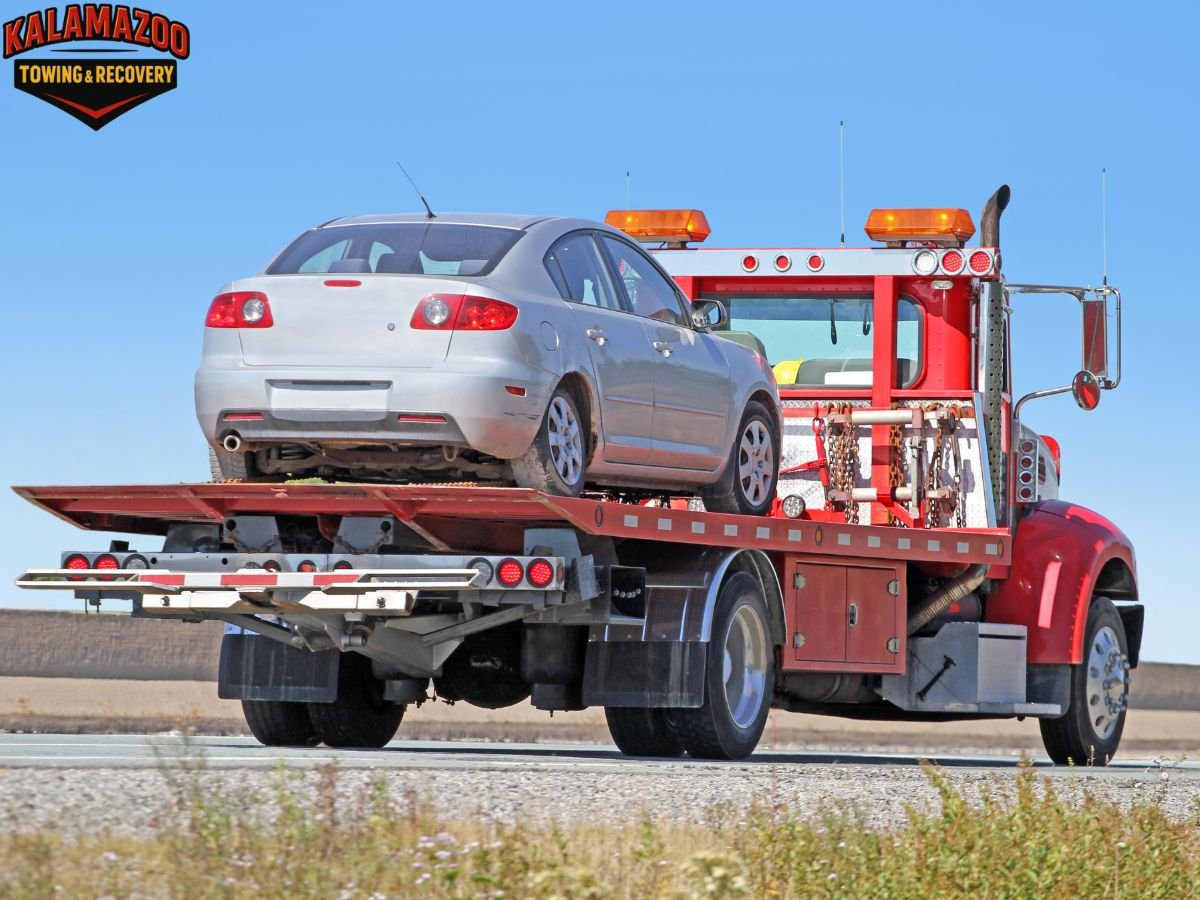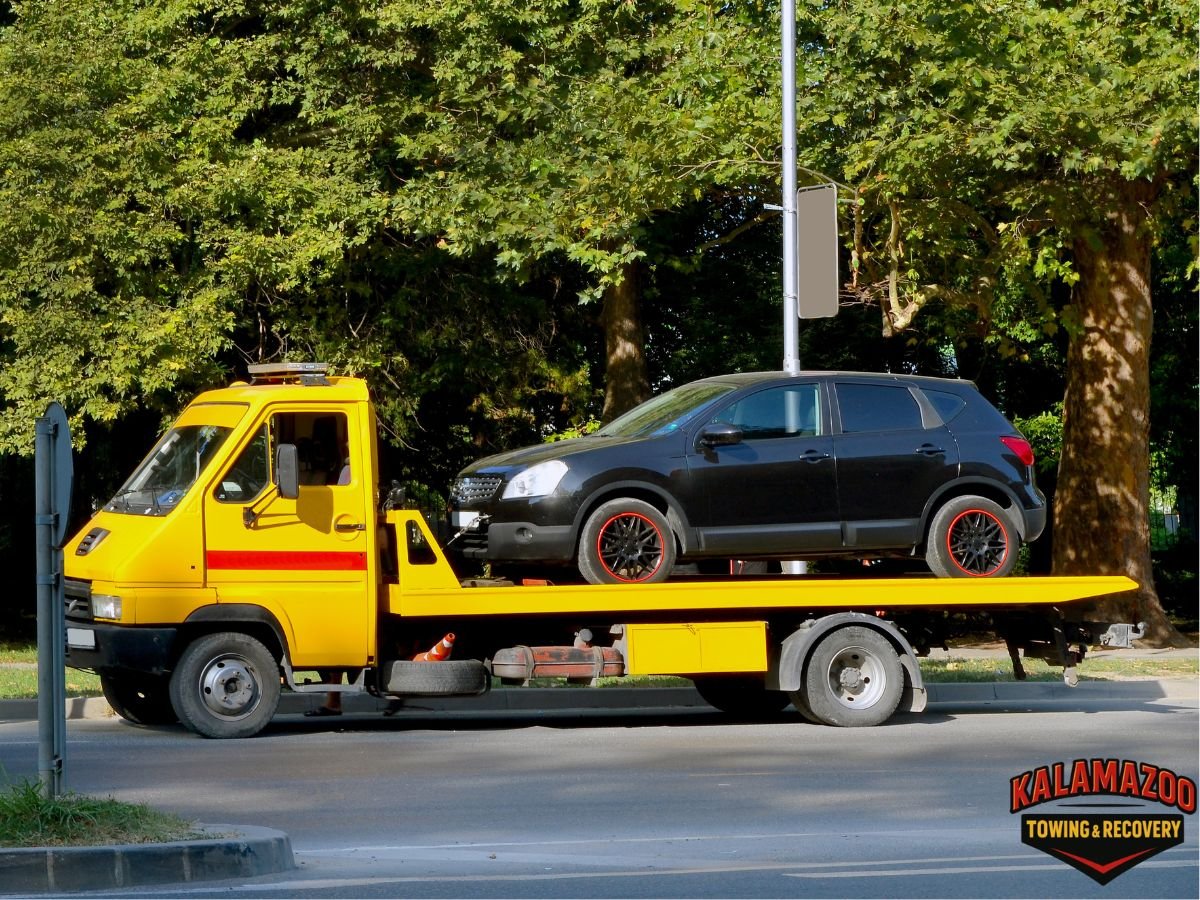

Your car breaks down on a busy highway. Steam billows from under the hood, traffic rushes past, and you’re relieved when the tow truck finally arrives. But here’s the critical question most drivers never consider: What happens if your car gets damaged during the tow?
Most drivers assume their auto insurance covers everything related to towing – but that’s not always true. The reality is more complex, and making wrong assumptions could leave you facing thousands in unexpected costs.
This guide provides a clear, step-by-step breakdown of towing coverage, potential risks, and the immediate actions you must take to protect yourself. Drawing from insights gathered from insurance experts, towing professionals, and claims adjusters, you’ll learn exactly when your car is insured during towing – and when it’s not.
Don’t wait until you’re stranded to figure this out. Take control of your coverage today.
Understanding How Insurance Works with Towing
Standard Auto Insurance Policies
Your standard auto insurance policy typically includes three main components that relate to towing situations:
Collision Coverage pays for damage to your vehicle when it hits another object or rolls over. This coverage applies whether the incident requires towing or not. If your car is damaged in an accident and needs to be towed, collision coverage handles both the towing costs and vehicle repairs.
Comprehensive Coverage protects against damage from theft, vandalism, weather, or hitting an animal. Like collision coverage, comprehensive includes necessary towing when these covered events occur.
Liability Coverage is required in most states but only covers damage you cause to other people’s property or injuries. It doesn’t help with your own towing needs.
Here’s what most drivers don’t realize: standard policies often include basic towing coverage automatically. However, this coverage typically caps at $50-$100 per incident – barely enough for a short-distance tow in most markets.
Roadside Assistance and Towing Coverage
Roadside assistance can come from multiple sources, each with different coverage levels:
Insurance Company Add-ons typically cost $15-$30 annually and provide towing up to a certain distance (usually 15-25 miles), jump starts, flat tire changes, and lockout service. Coverage limits range from $50-$200 per incident.
Standalone Roadside Plans like AAA offer more comprehensive coverage, including longer towing distances, trip interruption benefits, and coverage for any vehicle you’re driving – not just your own.
Credit Card Perks may include roadside assistance, but coverage is often limited and may require you to pay upfront and seek reimbursement.
Manufacturer Warranties for newer vehicles often include roadside assistance for the warranty period, but this disappears once coverage expires.
When Your Coverage May Not Apply

Several scenarios can leave you without towing coverage when you need it most:
Unauthorized Towing Companies: Many insurance policies require you to use approved towing networks. Call a random tow truck, and you might pay out of pocket entirely.
Towing After Illegal Parking: Insurance rarely covers impound fees or towing costs related to parking violations, expired registration, or other legal issues.
Out-of-State or Long-Distance Towing: Fine print often limits coverage to specific geographic areas or maximum distances. A breakdown during a cross-country road trip could exceed your policy limits significantly.
Immediate Actions if Your Car Needs Towing
Confirm Your Coverage Before the Hook
When your car breaks down, follow this critical sequence:
Step 1 → Call your insurance provider immediately. Don’t assume you know your coverage – policies change, and details matter.
Step 2 → Ask these key questions:
- What are my towing coverage limits per incident?
- Do I need to use a specific towing network?
- What’s my deductible for towing-related damage?
- Am I covered for this type of breakdown/accident?
- Do I need pre-authorization for the tow?
Step 3 → Document the approval. Get a reference number, the representative’s name, and confirmation of coverage details via text or email.
Never authorize a tow without this confirmation. A five-minute phone call can save you hundreds of dollars.
Choosing the Right Tow Service
Not all towing companies are created equal, and your choice directly impacts your insurance coverage:
Licensed and Insured Providers carry their own liability insurance and proper licensing. Ask to see credentials before allowing them to hook up your vehicle.
Quick Verification Steps:
- Check for visible business licenses and insurance certificates
- Verify the company name matches what’s on the truck
- Ask for a written estimate before work begins
- Confirm they accept insurance payments or provide proper receipts
Red Flags to Avoid:
- Cash-only operations
- Unwillingness to provide written estimates
- Pressure to sign waivers immediately
- Unmarked or poorly maintained equipment
Protecting Yourself During the Tow
Document Everything: Take photos of your vehicle from multiple angles before loading. Focus on existing damage, the loading process, and the tow truck’s condition.
Secure Valuables: Remove all personal items, electronics, and important documents. Towing companies aren’t responsible for theft of personal property.
Stay Present: Remain with your vehicle during loading and unloading when possible. Your presence reduces the likelihood of damage and provides witness testimony if problems occur.
Common Scenarios and How Insurance Responds
Accident Towing
When your car is disabled after a crash, coverage depends on fault and your policy type:
At-Fault Accidents: Your collision coverage handles both repairs and necessary towing. The towing cost typically falls under your deductible.
Not-At-Fault Accidents: The other driver’s liability insurance should cover your towing costs. However, this process can be slow, so you might need to pay upfront and seek reimbursement.
No-Fault States: Your own Personal Injury Protection (PIP) or Medical Payments coverage handles immediate towing costs regardless of fault.
Mechanical Breakdown
Standard auto insurance typically doesn’t cover towing for mechanical failures unless you have roadside assistance coverage:
With Roadside Coverage: You’re typically covered for towing to the nearest qualified repair facility, subject to distance and cost limits.
Without Roadside Coverage: You pay all towing costs out of pocket unless the breakdown results from a covered event (like hitting road debris).
Warranty Considerations: If your car is under manufacturer warranty, breakdown towing might be covered separately from insurance.
Parking Violations and Impound Tows
This scenario catches many drivers off guard:
Insurance Rarely Covers: Towing and storage fees from parking violations, expired registration, or other legal issues typically aren’t covered by any insurance policy.
Cost Reduction Steps:
- Contest the original violation if you believe it’s incorrect
- Retrieve your vehicle quickly to minimize storage fees
- Negotiate payment plans with the towing company if costs are high
Insurance Claims and Documentation
Reporting a Tow to Your Insurance
Essential Information to Collect:
- Tow truck company name, license number, and contact information
- Driver’s name and credentials
- Exact pickup and drop-off locations with timestamps
- Detailed photos before, during, and after the tow
- Written receipt showing all charges
- Any damage that occurred during towing
Filing Your Claim: Report towing-related claims within 24-48 hours. Delays can complicate the process and may even void coverage in some cases.
Damage During Towing
When your car is damaged during the towing process, determining responsibility can be complex:
Towing Company Liability: Professional towing companies carry liability insurance for damage they cause. However, proving their responsibility requires proper documentation.
Your Insurance vs. Theirs: If the towing company disputes responsibility, your comprehensive coverage might be your fastest path to repairs, though you’ll pay your deductible.
Evidence Collection: Photos, witness statements, and immediate damage reports strengthen your position whether you claim against the towing company or your own insurance.
Communication with Adjusters
What to Report: Stick to facts about the incident. Describe what happened, when, and who was involved without speculating about cause or fault.
Critical Mistakes to Avoid:
- Don’t admit fault for the original breakdown or accident
- Never sign waivers or settlements without reading carefully
- Don’t delay reporting – most policies require prompt notification
- Avoid giving recorded statements without understanding your rights
Legal and Regulatory Considerations
State Laws on Towing and Insurance
Towing regulations vary significantly by state:
Coverage Requirements: Some states mandate minimum towing coverage in auto policies, while others leave it entirely optional.
Consumer Protection Rules: Many states regulate maximum towing fees, required signage, and driver licensing. Know your state’s rules to avoid overcharges.
DOT Regulations: Interstate towing must comply with Department of Transportation rules, which can affect coverage for long-distance tows.
Towing Contracts and Waivers
Fine Print Dangers: Towing companies often ask you to sign agreements that limit their liability. Read carefully before signing, especially sections about:
- Damage disclaimers
- Storage fee structures
- Release of liability clauses
Your Rights: In many states, you cannot be forced to waive all damage claims, even by signing a contract. Emergency situations don’t eliminate your consumer rights.
Insurance Company Preferred Providers
Network Requirements: Many insurers maintain networks of approved towing providers. Using non-network providers might:
- Reduce your coverage limits
- Require upfront payment with reimbursement
- Complicate the claims process
Finding Approved Providers: Most insurance companies offer 24/7 hotlines that can dispatch approved towing services directly to your location.
Prevention and Preparedness
Review Your Insurance Policy Regularly
Annual Policy Check-ups: During policy renewal, specifically ask about:
- Current towing coverage limits
- Changes to approved provider networks
- New roadside assistance options
- Cost of increasing coverage limits
Questions for Your Agent:
- How much towing coverage do I currently have?
- What scenarios aren’t covered?
- Would increasing my roadside assistance make sense for my driving patterns?
- How do claims affect my rates?
Building an Emergency Kit
Essential Documents:
- Physical and digital copies of insurance cards
- Emergency contact numbers for your insurance company
- List of preferred towing companies in your area
- Medical information if you have specific health needs
Physical Supplies:
- Flashlight with extra batteries
- Phone charger (car and portable)
- Basic tools for minor repairs
- Reflective triangles or flares
Smart Route Planning
Know Your Options: Before long trips, research towing providers along your route. This preparation saves critical time during emergencies.
Use Technology: Apps like AAA Mobile and insurance company apps can locate nearby approved services and even request assistance directly.
Financial and Business Impact
Towing Costs vs. Coverage Limits
Average Towing Costs:
- Local towing (under 10 miles): $75-$150
- Medium distance (10-50 miles): $150-$400
- Long distance (over 50 miles): $400-$1,000+
Policy Caps: Basic roadside assistance often caps at $100-$200, leaving you responsible for the difference on longer tows.
Cost Management: Consider higher coverage limits if you frequently drive in rural areas or take long trips.
Minimizing Downtime
Transportation Backup Plans:
- Rental car coverage through insurance
- Ride-sharing app budget for emergencies
- Public transportation familiarity
- Emergency contact network
Business Considerations: Commercial drivers should coordinate with employers about:
- Who pays for towing and repairs
- How breakdowns affect delivery schedules
- Customer communication during delays
Insurance Coordination for Company Vehicles
Coverage Hierarchy: When driving company vehicles, multiple insurance policies might apply:
- Company commercial auto policy (primary)
- Your personal auto policy (secondary)
- Credit card or membership benefits (tertiary)
Immediate Actions: Notify both your employer and personal insurance carrier when company vehicle towing occurs.
Technology and Tools for Drivers
Mobile Apps for Insurance & Towing
Insurance Company Apps often provide:
- One-touch roadside assistance requests
- Real-time tracking of service providers
- Digital insurance card storage
- Claim filing and tracking capabilities
Third-Party Apps: Services like Honk and URGENTLY connect you with vetted towing providers and often integrate with insurance company systems.
GPS and Dash Cams
Documentation Benefits:
- Dash cams provide objective evidence of incidents requiring towing
- GPS tracking shows exact breakdown locations
- Time-stamped video helps with insurance claims
Route Verification: GPS logs can verify towing routes and distances, preventing overcharges.
Digital Communication
Cloud Storage: Store insurance documents, emergency contacts, and vehicle information in cloud-accessible locations.
Emergency Contacts: Program insurance hotlines, preferred towing companies, and emergency contacts into your phone with easily identifiable names.
Regional and Seasonal Factors
Winter Weather Towing
Coverage Considerations: Some policies exclude towing related to “acts of God” or natural disasters. However, most standard coverage applies to winter weather breakdowns.
Preparation Tips:
- Increase towing coverage limits before winter
- Keep emergency supplies in your vehicle
- Understand that winter towing often costs more due to hazardous conditions
Rural vs. Urban Tows
Rural Challenges:
- Limited towing provider options
- Longer distances to repair facilities
- Higher per-mile costs
- Potential coverage gaps in remote areas
Urban Considerations:
- Traffic delays increasing towing costs
- Higher impound risks
- More provider options but varying quality
Long-Distance Towing
Coverage Limits: Most policies cap towing distance at 15-100 miles. Cross-country breakdowns can easily exceed these limits.
Negotiation Strategies:
- Ask insurers for partial reimbursement on long tows
- Consider breaking long tows into shorter segments
- Explore temporary repairs to reduce towing distance
Making Smart Decisions Under Pressure
Quick Coverage Checklist Before a Tow
Call → Contact insurance immediately Confirm → Verify coverage and get authorization Document → Photo everything and get written estimates Approve → Only authorize work after confirmation
This four-step process takes less than 15 minutes but can save hundreds of dollars.
Repair on the Spot vs. Tow
When Roadside Fixes Make Sense:
- Simple problems (dead battery, flat tire)
- Safe roadside location
- Qualified service provider available
When Towing Is Safer:
- Busy highways or dangerous locations
- Complex mechanical problems
- Uncertainty about the issue severity
Don’t Panic — Take Control
Risk vs. Reward: Making hasty decisions during breakdowns often leads to higher costs and coverage gaps.
Stay Calm Protocol:
- Ensure immediate safety first
- Contact insurance before any service provider
- Document everything thoroughly
- Follow established procedures regardless of pressure
Conclusion & Expert Recommendations
Towing Insurance Action Plan Summary
Immediate Safety + Coverage Confirmation: Your first priority is always safety, but your second should be confirming insurance coverage before authorizing any towing services.
Proper Documentation and Claims Steps: Thorough documentation protects your financial interests and ensures smooth claims processing. Take photos, collect receipts, and maintain detailed records.
Long-term Prevention Strategies: Regular policy reviews, emergency preparedness, and understanding your coverage prevents surprises when you need help most.
Building Coverage Confidence
Proactive Insurance Reviews: Schedule annual conversations with your insurance agent specifically about towing and roadside coverage. As your driving patterns change, your coverage should evolve too.
Relationships with Trusted Tow Providers: Research and establish relationships with reputable towing companies in your area before you need them. Quality providers work smoothly with insurance companies and reduce your stress during emergencies.
Driver Awareness as Your Best Protection: Understanding your coverage, knowing your options, and preparing for emergencies transforms you from a vulnerable motorist into an informed consumer who can navigate towing situations confidently.
The question “Is my car insured during towing?” doesn’t have a simple yes or no answer. It depends on your specific policy, the reason for towing, the service provider you choose, and how well you’ve prepared. But with the knowledge and action plan provided in this guide, you’re equipped to make informed decisions that protect both your vehicle and your wallet.
Don’t wait until you’re stranded on the roadside to figure out your coverage. Review your policy today, ask the right questions, and build your emergency preparedness plan. Your future self will thank you when you’re confidently handling a breakdown instead of panicking about coverage gaps.
Take control of your towing insurance coverage now – because being prepared isn’t just smart, it’s financially essential. For professional assistance, contact us anytime.