If you’re towing in or around Kalamazoo, MI, you’ve probably heard someone mention the “80% rule.” It’s not a law, but it’s a trusted guideline that experienced haulers—and towing professionals like us at Kalamazoo Towing and Recovery—use to keep trips safe, smooth, and stress-free. Simply put, this rule says you should never tow more than 80% of your vehicle’s rated towing capacity.
Below, I’ll break down exactly how this rule works, why it matters, and how following it can save your engine, your trailer, and maybe even your life on the road.
Understanding the 80% Towing Rule
Why the 80% Rule Exists
The 80% towing rule is all about buffer room. Vehicle manufacturers list a maximum towing capacity, but that number is often calculated under ideal conditions—empty bed, no passengers, perfect weather, flat terrain. But we all know that’s rarely the case on Michigan roads.
By sticking to 80% of your vehicle’s tow rating, you leave space for real-world factors like hills, wind, passengers, gear, and unexpected stops.
Safety Concerns Behind Towing Limits
Going right up to your truck’s max tow rating puts you one sharp curve or sudden brake away from disaster. Overloading stresses your brakes, engine, and suspension, increasing the risk of trailer sway, overheating, and even loss of control. Safety should always outrank squeezing in that extra load.
How the 80% Rule Works in Real-World Towing
Calculating 80% of Your Vehicle’s Towing Capacity
Let’s say your vehicle’s towing capacity is 10,000 lbs. To follow the 80% rule:
Your safe working towing limit is 8,000 pounds. That’s your target weight for the loaded trailer, not just the trailer itself. Always account for everything inside—cargo, tools, ATVs, or that camper fridge fully stocked with supplies.
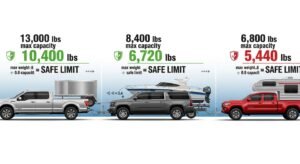
Examples of Safe Towing Weight
-
Ford F-150 (rated 13,000 lbs max)
→ 13,000 × 0.8 = 10,400 lbs (safe limit) -
Chevy Tahoe (rated 8,400 lbs max)
→ 8,400 × 0.8 = 6,720 lbs (safe limit) -
Toyota Tacoma (rated 6,800 lbs max)
→ 6,800 × 0.8 = 5,440 lbs (safe limit)
Whether you’re towing a trailer to the lake or hauling heavy equipment across Kalamazoo County, stick to the 80% mark.
Benefits of Following the 80% Towing Rule
Reduced Strain on Engine and Transmission
Towing heavy loads at or near capacity leads to engine overheating, transmission wear, and increased fuel consumption. By staying under the 80% threshold, you reduce long-term stress on your powertrain and help avoid costly repairs. We also offer professional transmission service if needed.
Improved Braking and Handling
A lighter trailer gives your brakes and suspension more breathing room. That means shorter stopping distances and better handling in emergencies. On Michigan’s winding country roads or slick highways, that extra control makes all the difference. We handle brake repair service too.
Lower Risk of Trailer Sway
One of the most common (and scary) towing hazards is trailer sway. Going too heavy increases sway risk, especially in high winds or uneven terrain. Lighter loads mean a more stable and predictable ride—no white-knuckling the steering wheel.
What Happens If You Exceed the 80% Rule?
Mechanical Risks
Exceeding 80% might not break your truck today—but it will age it fast. You’re looking at transmission failure, brake overheating, frame stress, and accelerated tire wear. Repair bills add up quick, especially if you’re stuck in the middle of nowhere. That’s when you need our roadside tire replacement service.
Safety Risks on the Road
Handling gets sketchy when you’re maxed out. Steering gets sluggish, braking takes longer, and downhill runs can feel like a rollercoaster. Worse yet, if you get in an accident while overloaded, insurance claims can get complicated.
80% Rule vs. Manufacturer Tow Ratings
Understanding GVWR, GCWR, and Tongue Weight
Here’s a quick refresher on key terms:
-
GVWR (Gross Vehicle Weight Rating): Max weight of your vehicle including passengers and cargo.
-
GCWR (Gross Combined Weight Rating): Max weight of your vehicle + trailer combined.
-
Tongue Weight: Downward force the trailer puts on the hitch. Should be 10–15% of trailer weight.
Even if you’re under your tow rating, exceeding GVWR or GCWR can still be dangerous. That’s why the 80% rule is so helpful—it keeps everything within a safer working range.
Why the 80% Rule Is More Conservative
Manufacturer ratings assume perfect scenarios. The 80% rule builds in real-world variables like heat, hills, passengers, and time. It’s a best practice, especially for non-commercial drivers or occasional towers.
Tips for Safe Towing in Any Vehicle
Distributing Weight Properly
Always load the heaviest items low and centered over the trailer axle. Keep about 60% of your load in the front half of the trailer. Poor weight distribution leads to sway and instability—don’t risk it.
Choosing the Right Hitch and Trailer
Use a hitch rated for your trailer weight, and don’t cheap out. Check that it’s properly secured, level, and rated for weight distribution if needed. In Kalamazoo, we’ve seen plenty of problems start with a bad hitch setup.
Regular Maintenance Before Towing
Check tire pressure (vehicle and trailer), brake fluid, transmission fluid, and lights. If your trailer’s been sitting, inspect the bearings and brakes. Better to spend 15 minutes now than 5 hours waiting for a roadside rescue. Explore our full roadside assistance services.
When You Should Call a Professional Towing Service
Heavy Loads or Long-Distance Towing
If you’re hauling oversized equipment, construction materials, or heading out on a multi-hour haul, skip the DIY. Let professionals like us at Kalamazoo Towing and Recovery handle it with proper trucks and gear built for the job. See our light, medium, and heavy-duty towing options.
Avoiding Damage to Your Vehicle
Trying to tow at max capacity without experience? That’s asking for a busted axle or burnt transmission. One wrong move can leave you stranded and with a steep repair bill. Contact us if that happens.
Benefits of Hiring a Certified Tow Truck Company
-
Trained drivers who understand weight ratings and load balance
-
Equipment ready for light, medium, and heavy-duty hauls
-
Faster service and less downtime
-
Peace of mind, especially in emergencies
Need help now? Contact Kalamazoo Towing and Recovery for 24/7 towing service across Kalamazoo, MI.
Related Services From Kalamazoo Towing and Recovery
Frequently asked questions
Q: Is the 80% rule a legal requirement?
No, it’s a guideline—not a law. But it’s a smart safety practice followed by towing experts.
Q: Can I tow more than 80% if my truck is equipped with a towing package?
Even with upgrades, staying below 80% protects your engine and gives you a safer buffer.
Q: How do I find my vehicle’s tow rating?
Check your owner’s manual or the manufacturer’s website. Look for GCWR and max towing capacity.
Q: Does trailer type affect towing safety?
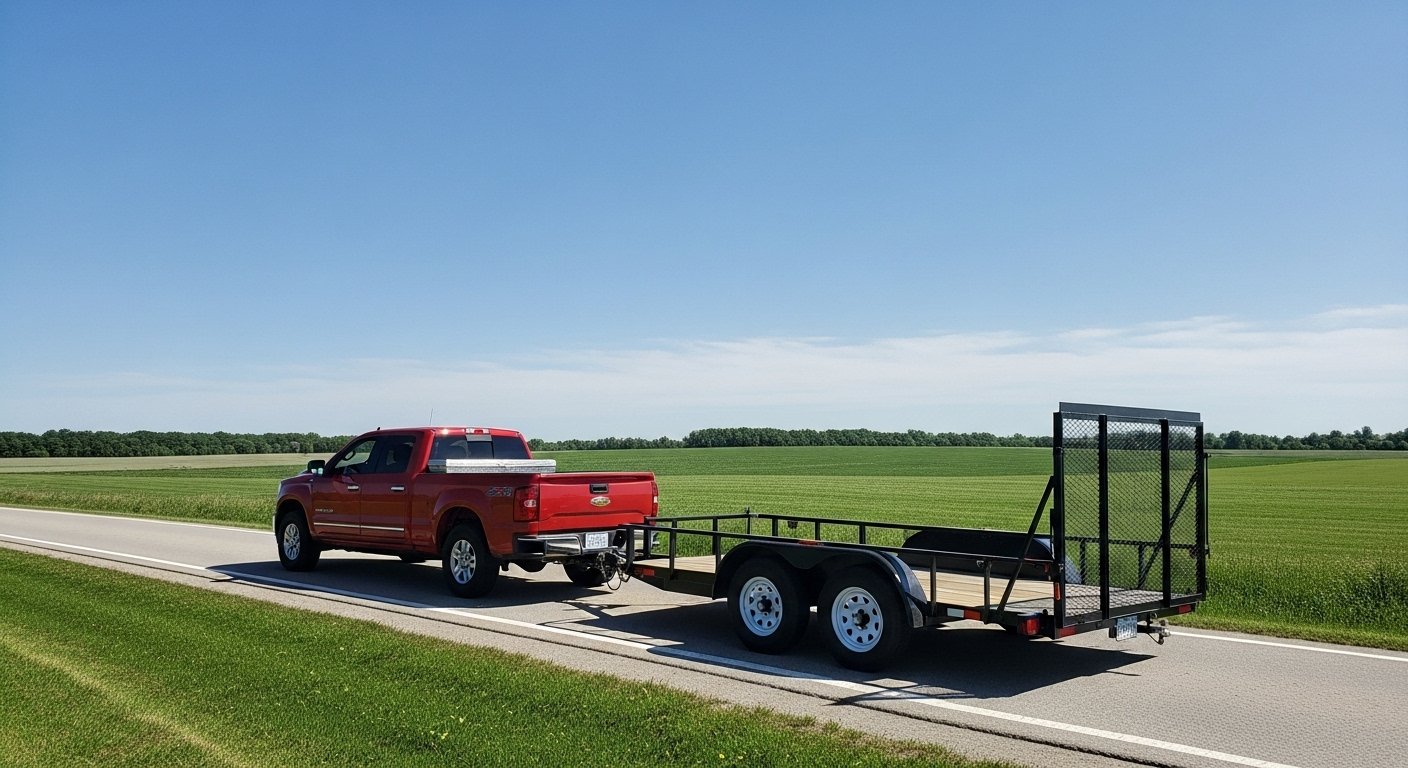
Absolutely. Enclosed trailers catch more wind than flatbeds. Make sure your trailer is rated and balanced properly.
Q: What’s the best way to get help if I’m overloaded?
Call Kalamazoo Towing and Recovery. We offer heavy-duty towing, trailer transport, and emergency roadside help.