
Picture this: you return to the parking garage after a long day, only to find your car won’t start. Or worse, you discover your vehicle has been marked for towing due to a parking violation. The concrete ceiling looms overhead, tight spaces surround you, and you’re wondering if a tow truck can even navigate these cramped quarters.
The reality is that parking garage breakdowns and towing situations present unique challenges that don’t exist with roadside emergencies. Low clearance heights, narrow lanes, and strict property management rules create a perfect storm of complications that can leave drivers feeling trapped and overwhelmed.
Here’s the straightforward answer: Yes, your car can be towed from a parking garage, but it requires specialized equipment, proper authorization, and an experienced operator who knows how to work in confined spaces safely. This comprehensive guide will walk you through every scenario, from mechanical breakdowns to enforcement tows, giving you the knowledge and action plan you need to handle any parking garage towing situation.
Drawing on insights from professional tow truck operators, property managers, and industry best practices, you’ll learn exactly what steps to take, what services to call, and how to protect yourself from unnecessary costs or damage. Don’t let a parking garage emergency catch you unprepared—act fast with the right information to avoid fines, damage, or extended delays.
Immediate Steps if Your Car Breaks Down in a Parking Garage

Stay Calm and Assess the Situation
When your vehicle breaks down inside a parking garage, your first priority is safety assessment and damage control. Start by checking for immediate hazards like engine smoke, unusual smells, or visible fluid leaks. These signs could indicate serious mechanical problems that require immediate professional attention.
Next, determine if your car is blocking traffic flow, garage exits, or emergency access routes. If your vehicle is obstructing other drivers or creating a safety hazard, you’ll need to act quickly to minimize disruption. Turn on your hazard lights immediately to alert other drivers and garage staff to the situation.
Take a moment to assess whether you can safely move your vehicle to a less obstructive location. Sometimes a car that won’t start can still be put in neutral and pushed to a nearby parking space. However, never attempt to move a vehicle if you suspect brake failure, transmission problems, or any safety system malfunctions.
Notify Property Management or Security
Most parking garages have specific protocols for handling disabled vehicles, and failing to follow these procedures can result in fines or violations. Look for emergency contact numbers posted throughout the garage, or use intercom systems typically located near exits or payment stations.
Property management often maintains contracts with approved towing services that specialize in parking garage operations. These preferred vendors understand the facility’s layout, clearance restrictions, and access procedures, which can save you time and prevent damage to your vehicle.
Ignoring this crucial step is a costly mistake that many drivers make. Property managers may impose additional fees for unauthorized towing services or vehicles that remain in violation of garage policies. Some facilities have strict time limits for disabled vehicle removal, and exceeding these deadlines can result in impound procedures.
Contact the Right Towing Service
Standard flatbed tow trucks cannot operate in most parking garages due to height restrictions and turning radius limitations. You need a towing service that specifically advertises low-clearance or parking garage capabilities. When calling a tow company, your first question should be: “Do you have equipment that can operate inside a parking garage with [X] feet of clearance?”
Provide the towing dispatcher with specific information about the garage’s entry points, floor level where your car is located, and any access restrictions. Many parking structures have weight limits, one-way traffic patterns, or time restrictions that affect towing operations.
Always confirm that the towing service can reach your vehicle before they dispatch a truck. Nothing is more frustrating than waiting for a tow truck that can’t actually enter the facility, leaving you back at square one while precious time ticks away.
How Towing from a Parking Garage Works
Tow Truck Types That Can Operate in Garages
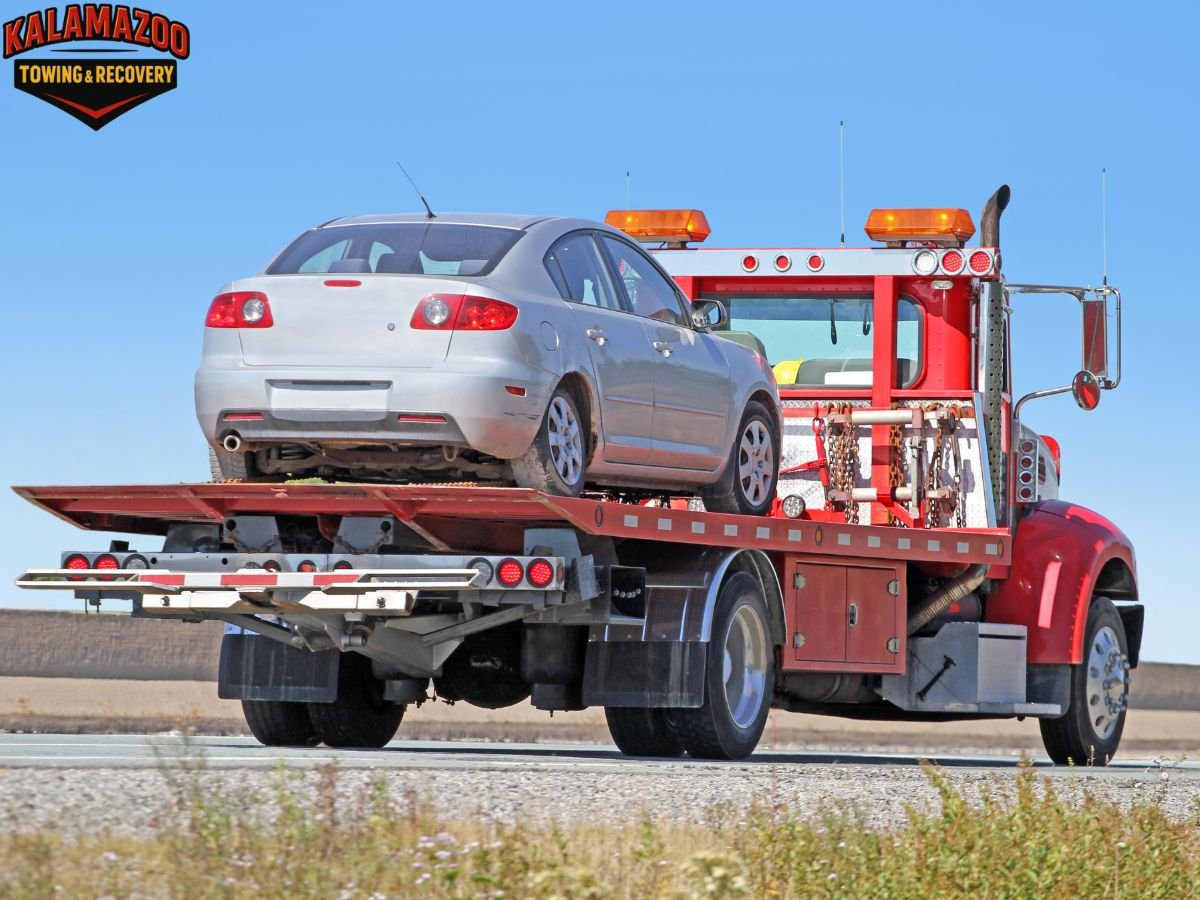
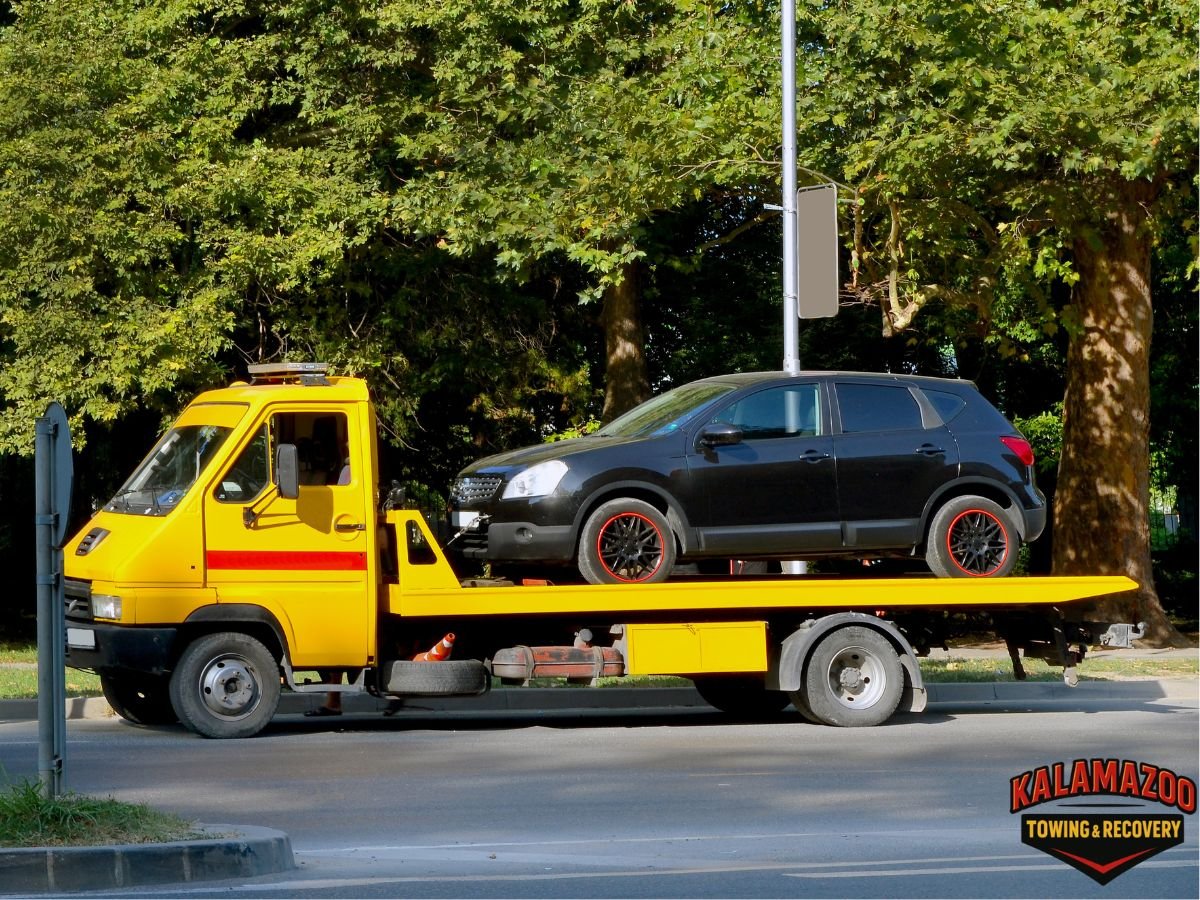
Understanding the different types of towing equipment helps you make informed decisions and communicate effectively with service providers. Standard flatbed tow trucks, while excellent for highway towing, are typically too tall and unwieldy for parking garage operations. Most parking structures have clearance heights between 6.5 and 8 feet, while flatbed trucks often exceed 9 feet in overall height.
Wheel-lift tow trucks are the preferred choice for parking garage operations. These vehicles use a hydraulic lifting mechanism that engages the front or rear wheels of your car, allowing the tow operator to navigate tight spaces more easily. The lower profile and improved maneuverability make wheel-lift trucks ideal for confined environments.
For vehicles that cannot be moved using traditional towing methods, professionals employ dollies and skates. These specialized tools allow operators to move cars sideways, backwards, or in tight angles that would be impossible with conventional towing equipment. This method is particularly useful for cars trapped between other vehicles or in extremely tight parking spots.
Special Equipment Used in Garages
Professional parking garage towing requires specialized equipment that most standard tow services don’t carry. Go-jacks are wheeled platforms that slide under each tire, allowing operators to move vehicles in any direction without starting the engine or engaging the transmission. This equipment is essential for cars with transmission problems or those parked in positions where traditional towing is impossible.
Winch systems enable tow operators to pull disabled vehicles from parking spaces when conventional lifting isn’t feasible. Heavy-duty winches can drag a car forward or backward while the operator maintains precise control over speed and direction. This method prevents damage to surrounding vehicles and garage infrastructure.
Portable lifts provide another solution for cars that cannot be moved using wheels or dollies. These hydraulic systems can raise a portion of the vehicle to clear obstacles or facilitate repairs in place. Some towing services use portable lifts to change tires or perform minor mechanical work inside the garage, eliminating the need for full vehicle removal.
Safety and Damage Prevention
Parking garage towing presents unique risks that don’t exist in open-road scenarios. Concrete pillars, low ceilings, and tight turning radii create multiple opportunities for costly damage to both your vehicle and the garage structure. Experienced tow operators understand these risks and employ specific techniques to minimize damage potential.
The importance of hiring an experienced, specialized operator cannot be overstated. General towing companies may lack the skills and equipment necessary for safe parking garage operations. Look for towing services that specifically mention parking structure experience in their advertising or service descriptions.
Insurance considerations become more complex in parking garage scenarios. Standard towing insurance may not cover damage that occurs during specialized operations like go-jack movements or winch extractions. Verify that your chosen towing service carries comprehensive coverage for parking garage operations, and document the condition of your vehicle before any work begins.
Legal and Property Considerations
When Garages Authorize Towing
Private parking garages operate under property rights laws that give owners broad authority to establish and enforce parking rules. Understanding these rights helps you navigate towing situations more effectively and avoid unnecessary conflicts with property management.
Common scenarios that trigger authorized towing include unpaid parking fees, expired permits, parking in reserved spaces, blocking fire lanes, or exceeding maximum stay limits. Each garage typically posts these rules at entrances and payment stations, though enforcement practices vary significantly between facilities.
Local and state towing laws establish minimum requirements for notification, storage, and release procedures. However, private property towing often operates under different rules than public street enforcement. Familiarize yourself with your area’s specific regulations, as they directly affect your rights and options when dealing with parking garage tows.
Your Rights as a Vehicle Owner
Distinguishing between legitimate towing and predatory practices protects you from unnecessary costs and complications. Legal towing requires proper signage, reasonable notification procedures, and compliance with local regulations. Predatory towing often involves inadequate signage, excessive fees, or rushed enforcement without proper notification.
You have the right to request documentation from any tow operator, including authorization from property management, proper licensing, and insurance verification. Professional towing services willingly provide this information, while questionable operators may become defensive or evasive when asked for documentation.
Most jurisdictions provide dispute processes for vehicle owners who believe their car was towed unfairly. These procedures typically involve filing complaints with local authorities, providing evidence of improper procedures, and requesting fee reductions or waivers. Document everything related to your towing situation to support potential disputes.
Costs and Fees to Expect
Parking garage towing costs vary significantly based on location, time of day, and complexity of the extraction. Basic tow fees for garage operations typically range from $100 to $300, with additional charges for specialized equipment or after-hours service. Urban areas generally command higher prices due to increased operating costs and limited service provider availability.
Storage charges can accumulate quickly if your vehicle is taken to an impound facility. Daily storage fees range from $20 to $50 per day, and these charges begin accruing immediately after the tow. Some facilities charge additional administrative fees for processing and paperwork.
Insurance claim scenarios depend on your specific coverage and the circumstances of the tow. Comprehensive coverage may pay for mechanical breakdown towing, while liability coverage typically doesn’t cover parking violations or unauthorized parking situations. Contact your insurance provider to understand your coverage before making decisions about towing services.
Common Scenarios and What to Do
Dead Battery or Flat Tire in a Garage
Not every parking garage breakdown requires a full tow. Dead batteries and flat tires can often be resolved on-site with proper roadside assistance, saving you time and money compared to towing to a repair facility.
Jump-start services work well in parking garages, provided there’s adequate ventilation and space for the service vehicle to access your car. Many garages restrict repair activities due to safety concerns and insurance liability, so check with property management before attempting any mechanical work.
Tire changes in parking garages require careful consideration of safety and space constraints. If you have adequate room to work safely and property management permits on-site repairs, a professional tire service can often resolve the problem without towing. However, complex tire repairs or situations involving damaged wheels may still require tow-out service.
Mechanical Breakdown in a Garage
When your car experiences a mechanical breakdown that prevents normal operation, assess whether the problem can be resolved in place or requires towing to a repair facility. Simple issues like loose battery connections or blown fuses might be fixable on-site, while transmission problems or engine failures typically require professional shop equipment.
Push-to-safe-zone procedures can move a disabled vehicle to a less obstructive location within the garage. This approach works for cars that can roll freely but won’t start or have minor drivability issues. Always ensure adequate person-power and proper safety procedures before attempting to push any vehicle.
The decision between calling for in-garage repair versus tow-out service depends on the complexity of the problem, garage policies, and available space. Simple repairs that don’t require extensive tools or create safety hazards may be permitted by property management. Complex diagnostics or repairs involving hazardous fluids typically require vehicle removal to a proper service facility.
Illegally Parked or Booted Car
Property managers enforce parking rules through various methods, including wheel boots, towing, and fines. Understanding these enforcement practices helps you respond appropriately and minimize costs when violations occur.
Wheel boots immobilize your vehicle without requiring towing, but removal typically involves paying fines and fees directly to property management or their enforcement contractor. Boot removal procedures vary by facility, but most require immediate payment before the device can be removed.
When your car has been towed from a parking garage to an impound facility, retrieval involves several steps: locating the impound facility, providing proper identification and vehicle ownership documentation, paying all applicable fees, and arranging transportation to the impound location. Act quickly, as daily storage fees continue accumulating until you retrieve your vehicle.
How to Choose the Right Towing Service for a Garage
Verify Low-Clearance Capability
When researching towing services for parking garage situations, specifically ask about their low-clearance equipment and experience with parking structure operations. Many towing companies advertise general services but lack the specialized equipment necessary for garage towing.
Look for “parking garage towing” or “low-clearance towing” in service listings and company descriptions. Companies that specifically mention these capabilities typically invest in the proper equipment and training necessary for safe garage operations.
Request specific information about equipment dimensions, lifting capacities, and operational procedures. Professional garage towing services can provide detailed specifications about their equipment and explain how they handle different types of parking structure challenges.
Response Time and Availability
Parking garage breakdowns don’t follow business hours, and delayed response times can result in additional fees or violations from property management. Choose towing services that offer genuine 24/7 availability with reasonable response times for your area.
Local tow services often provide faster response times than large national providers, particularly during peak demand periods. However, verify that local companies have the specialized equipment necessary for parking garage operations before making your selection.
Emergency response time becomes critical when your disabled vehicle is blocking traffic or violating garage policies. Some facilities impose time limits for resolving disabled vehicle situations, making rapid response essential for avoiding additional penalties.
Reputation and Insurance Coverage
Checking online reviews specifically for parking garage towing experiences helps identify companies with proven track records in these specialized situations. Look for reviews that mention successful garage extractions, professional handling of tight-space situations, and damage-free service.
Licensed and insured operators matter more in parking garage scenarios due to the increased risk of property damage and liability issues. Verify that potential towing services carry comprehensive insurance coverage that specifically includes parking structure operations.
Professional certifications and industry association memberships indicate companies that invest in proper training and maintain high service standards. Organizations like the Towing and Recovery Association of America provide certification programs that ensure operators understand proper procedures and safety protocols.
Prevention and Preparedness
Parking Garage Etiquette
Preventing towing situations starts with understanding and following parking garage etiquette and posted regulations. Always park within designated spaces, ensuring your vehicle doesn’t overlap lines or block adjacent spaces. Proper parking reduces the likelihood of complaints from other users and enforcement actions from property management.
Never block garage ramps, pedestrian walkways, emergency exits, or fire lanes, even temporarily. These violations typically result in immediate towing due to safety concerns and liability issues. Property managers prioritize emergency access and life safety requirements above all other considerations.
Pay attention to time limits, permit requirements, and payment procedures specific to each garage facility. Many garages use automated systems that track entry and exit times, automatically generating violations when limits are exceeded. Set phone reminders or alarms to ensure you don’t accidentally overstay posted limits.
Emergency Kit for Parking Garages
Assembling a parking garage-specific emergency kit helps you handle minor problems without requiring professional assistance. Include a portable jump starter with sufficient capacity for your vehicle’s battery size. These devices eliminate the need for another vehicle to provide jump-start assistance in tight garage spaces.
Pack a tire inflator or emergency tire sealant for minor punctures or slow leaks. These products can provide temporary repairs that allow you to drive to a proper service facility rather than requiring immediate towing. Choose products specifically designed for your tire type and size.
Include a compact flashlight and reflective warning triangles in your emergency kit. Parking garages often have poor lighting in certain areas, and adequate illumination is essential for safety during emergency situations. Reflective triangles alert other drivers to your disabled vehicle and help prevent accidents.
Plan Ahead with Roadside Assistance Memberships
Roadside assistance memberships through organizations like AAA, insurance company add-ons, or independent providers can significantly reduce the cost and complexity of parking garage emergencies. However, ensure your chosen plan specifically covers parking garage towing, as some basic plans exclude specialized equipment or confined-space operations.
Compare coverage limits, response time guarantees, and geographical restrictions when selecting roadside assistance plans. Some providers offer enhanced coverage for urban areas where parking garage incidents are more common, while others may have limitations on the number of service calls per year.
Review your roadside assistance benefits annually to ensure they meet your current needs and driving patterns. If you frequently park in downtown garages or multi-level parking structures, consider upgrading to plans that specifically include low-clearance towing and parking structure services.
Regional and Practical Challenges
Urban Downtown Garages
Towing operations in high-traffic city center parking garages face unique challenges that don’t exist in suburban locations. Heavy pedestrian traffic, limited access routes, and strict time restrictions for commercial vehicle operations can significantly complicate towing procedures.
Local ordinances in urban areas may restrict towing operations during peak traffic hours or require special permits for commercial vehicles accessing certain downtown districts. These regulations can delay towing services and affect response times during emergencies.
Downtown parking garages often have relationships with specific towing companies that understand local regulations and have proper permits for city center operations. Using these preferred providers can streamline the towing process and avoid potential complications with local authorities.
Suburban and Private Garages
Homeowner association (HOA) and private property management towing contracts create different enforcement environments than public or commercial parking facilities. These contracts often specify particular towing companies and may include different procedures for vehicle removal and retrieval.
Suburban parking garages typically have more flexible access routes and fewer time restrictions than urban facilities, but they may also have limited hours for towing operations. Some suburban garages restrict commercial vehicle access during certain hours to minimize disruption to residents.
Private garage enforcement practices vary widely based on property management priorities and resident concerns. Some facilities maintain strict enforcement of parking rules, while others take a more lenient approach to violations. Understanding the specific culture and policies of frequently used parking facilities helps avoid unexpected towing situations.
Conclusion & Expert Recommendations
Quick Answer Recap
The definitive answer to “Can you tow my car from a parking garage?” is yes, but success depends on three critical factors: specialized low-clearance equipment, proper authorization from property management, and an experienced operator who understands confined-space towing procedures.
Professional parking garage towing requires wheel-lift trucks, dollies, go-jacks, or other specialized equipment that standard tow services may not carry. Always confirm equipment compatibility before scheduling service, and expect to pay premium rates for specialized garage towing operations.
Property management authorization is essential for avoiding additional fees, violations, or complications during the towing process. Contact garage staff or security immediately when dealing with disabled vehicles, and follow facility-specific procedures to ensure compliance with posted policies.
Action Plan for Drivers
When facing a parking garage towing situation, follow this proven four-step action plan to minimize costs, delays, and potential damage:
Step 1: Prioritize safety by assessing your vehicle for hazards, turning on emergency flashers, and determining if you can safely move to a less obstructive location. Never attempt repairs or movements that could endanger yourself or other garage users.
Step 2: Notify garage staff, security, or property management immediately using posted emergency contact numbers or intercom systems. Explain your situation clearly and ask about approved towing services or facility-specific procedures for disabled vehicles.
Step 3: Call a towing service that specifically advertises low-clearance or parking garage capabilities. Provide detailed information about garage layout, clearance heights, and access restrictions to ensure the dispatched equipment can complete the job successfully.
Step 4: Document everything related to your towing situation, including photos of your vehicle’s condition, copies of any paperwork, and records of all communications with property management and towing services. This documentation protects you in case of disputes or insurance claims.
Build Towing Preparedness
Proactive preparation significantly reduces stress and costs when parking garage emergencies occur. Save contact information for at least one local towing service that specifically advertises parking garage capabilities, and verify their 24/7 availability for your area.
Maintain a garage-specific emergency kit in your vehicle with portable jump starter, tire inflator, compact flashlight, and reflective warning devices. These tools can resolve minor problems without requiring professional assistance, saving time and money in many situations.
Invest time in learning local towing laws and regulations that affect your rights and options during parking garage incidents. Understanding your legal protections helps you make informed decisions and avoid predatory towing practices that exploit uninformed vehicle owners.
Remember that parking garage towing situations are manageable with the right knowledge and preparation. Stay calm, follow proper procedures, and don’t hesitate to ask questions or request documentation from service providers. Your vehicle can be safely extracted from any parking garage when you use qualified professionals and follow established protocols. For specialized parking garage towing assistance, contact us anytime.