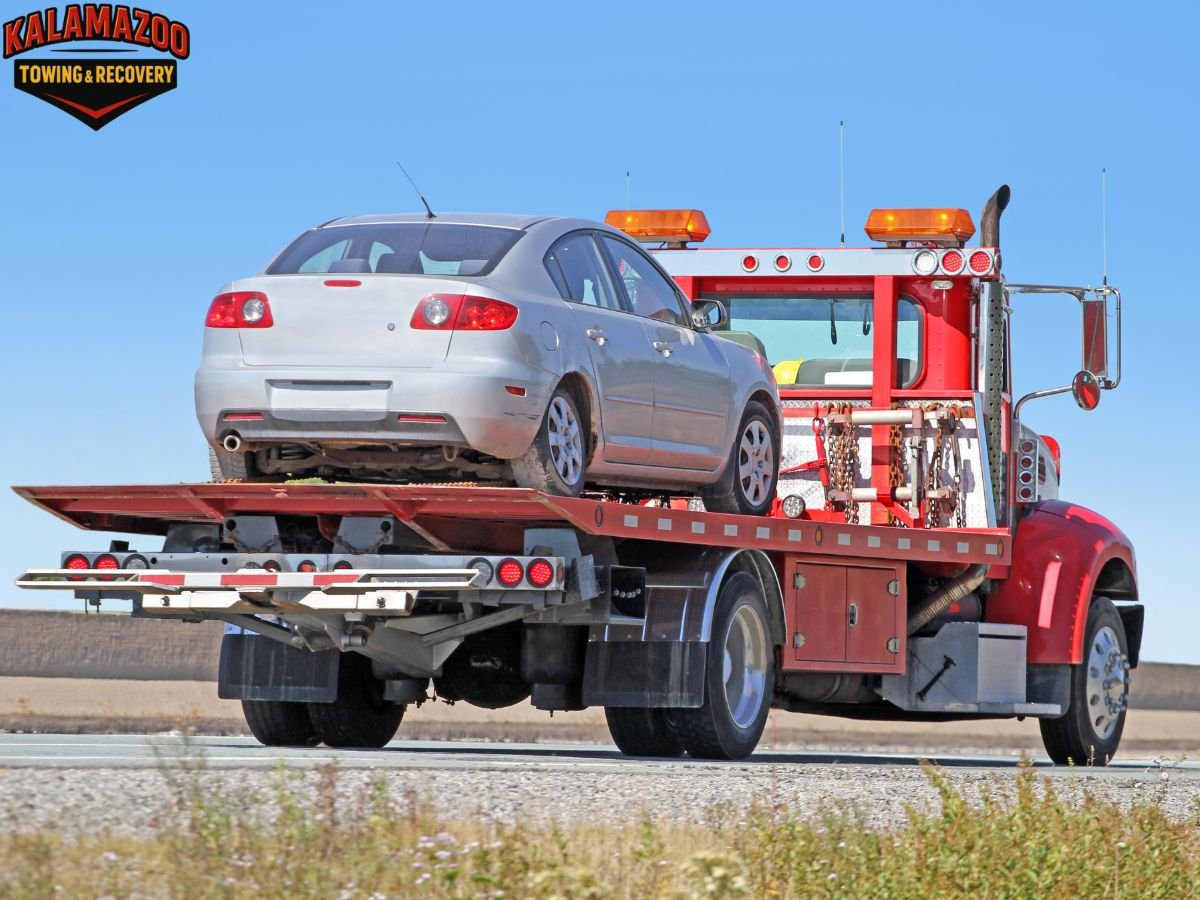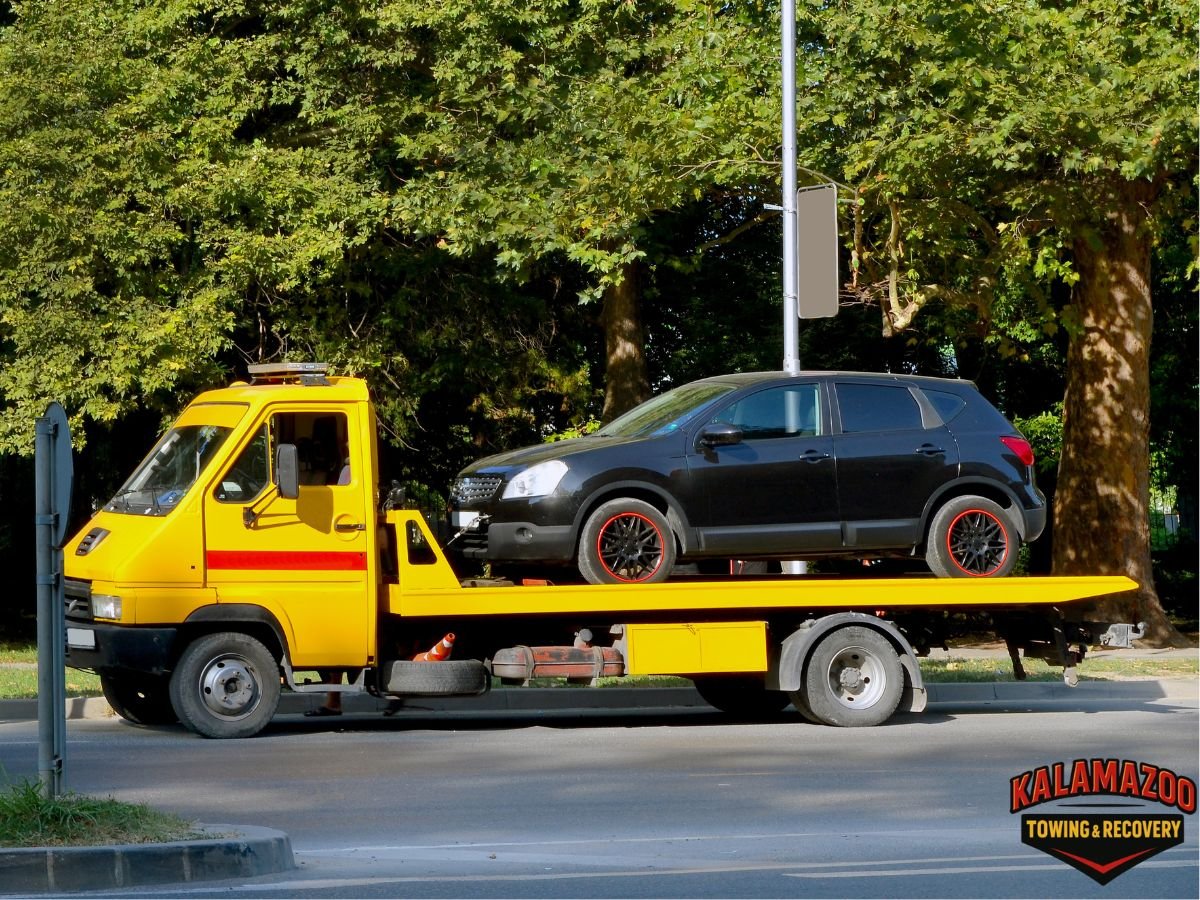

Your engine suddenly dies on a busy interstate during rush hour. Your transmission gives out in an unfamiliar neighborhood at midnight. Your tire blows on a remote highway with no cell towers in sight. These scenarios hit every driver eventually, and when they do, panic sets in fast.
The problem? Most drivers have no idea what information to provide when calling for towing services. They stumble through phone calls, forget crucial details, and end up waiting hours instead of minutes for help to arrive. Poor communication with tow dispatch leads to wrong truck types, missed locations, and costly delays that turn a manageable situation into a nightmare.
Here’s your complete step-by-step checklist of essential information that towing companies need to dispatch help quickly and efficiently. These insights come directly from towing dispatchers, roadside assistance experts, and veteran operators who handle thousands of emergency calls every year. Master this process once, and you’ll handle any breakdown with confidence.
Immediate Steps Before Calling a Tow Truck
Get to Safety First
Before you even think about making that towing call, prioritize your safety and that of other drivers. Pull your vehicle as far off the roadway as possible, ideally onto a shoulder, parking lot, or side street. If your car dies in traffic, try to coast to the nearest safe spot.
Turn on your hazard lights immediately and keep them flashing throughout the entire process. If you have reflective triangles or road flares, place them 50-100 feet behind your vehicle to warn approaching traffic. During nighttime or low-visibility conditions, consider wearing a reflective vest if you have one in your emergency kit.
Stay inside your vehicle if you’re on a busy highway, unless remaining inside poses a greater danger. If you must exit, do so from the side away from traffic and stay well clear of the roadway.
Secure Your Vehicle
Engage your parking brake to prevent your car from rolling, especially on hills or inclines. Double-check that your hazard flashers are working and visible to other drivers. If you’re carrying valuable cargo or equipment, do a quick visual check to ensure everything is secure before help arrives.
Make sure your vehicle isn’t blocking traffic lanes, fire hydrants, or emergency vehicle access points. If your car is creating a traffic hazard and can’t be moved, this becomes critical information to share with the tow dispatcher.
Prepare for the Call
Take a deep breath and calm yourself before dialing. Stress makes communication harder, and clear communication gets you help faster. Gather your essential documents: driver’s license, vehicle registration, and insurance card. Keep these within easy reach during the call.
Check your phone’s battery level and consider using a car charger if available. You may need to stay on the line with dispatch or receive callback updates about your tow truck’s arrival time.
Essential Information Towing Dispatch Needs
Your Location Details
Your exact location is the most critical piece of information for any towing call. Provide the specific street address if you’re on city streets, or the nearest cross streets and intersection names. For highway breakdowns, give the route number, direction of travel, and mile marker if visible.
GPS coordinates from your smartphone apps provide pinpoint accuracy, especially in rural areas or complex highway interchanges. Share these coordinates directly with the dispatcher: “I’m at GPS coordinates 40.7128 North, 74.0060 West.”
Identify nearby landmarks that make your location unmistakable: “I’m pulled over near the Shell gas station at Exit 42” or “I’m in front of the red brick office building on Main Street.” These reference points help tow truck drivers spot you quickly, even in heavy traffic.
Vehicle Identification
Provide your vehicle’s make, model, year, and color in that order. Say “2019 Honda Accord, silver” rather than just “Honda.” This information helps dispatch send the right type of tow truck and helps the driver identify your car among others.
Have your license plate number ready. Dispatchers use this information to verify vehicle ownership and create accurate service records. If your car has any distinctive features like roof racks, trailer hitches, or custom modifications, mention these details.
Your Vehicle Identification Number (VIN) isn’t always necessary for basic towing, but some insurance companies or roadside assistance programs require it for coverage verification. You can find the VIN on your dashboard near the windshield or on your registration documents.
Breakdown Description
Explain what happened to your vehicle in simple terms. Common breakdown categories include engine failure, dead battery, flat tire, transmission problems, overheating, or accident damage. Be specific: “My engine started smoking and shut off” provides more useful information than “my car won’t work.”
Describe your vehicle’s current condition honestly. Can it roll in neutral? Are the wheels locked up? Is there visible damage or fluid leaks? This information determines whether you need a standard tow, flatbed service, or heavy-duty equipment.
If your vehicle is attached to a trailer, boat, or other equipment, mention this immediately. Towing a vehicle with attachments requires specialized equipment and affects pricing and arrival time estimates.
Safety Concerns to Mention
Alert the dispatcher to any immediate safety hazards. Is your vehicle blocking traffic lanes? Are there fluid spills creating slippery conditions? Is smoke or steam coming from under the hood? These situations may require emergency response coordination with local authorities.
Mention if you have passengers, especially children or elderly individuals, who need shelter or assistance. Some towing companies can provide transportation for passengers, while others focus only on vehicle recovery.
If you suspect your vehicle poses environmental risks due to fuel leaks, coolant spills, or other fluid problems, state this clearly. Tow operators carry spill containment equipment and know proper cleanup procedures.
Communicating Clearly with Tow Dispatch

Information to Provide in Order
Follow this proven sequence when calling for towing services to ensure nothing important gets missed:
Step 1: State your name and provide a reliable callback phone number in case you get disconnected.
Step 2: Give your exact location using the methods described above, starting with the most specific details.
Step 3: Describe your vehicle with make, model, year, color, and license plate number.
Step 4: Explain what happened and your vehicle’s current condition.
Step 5: Identify any safety risks or special circumstances.
Step 6: Specify any special towing requirements like flatbed service or heavy-duty equipment.
This order prioritizes the most critical information first, so even if your call gets cut short, dispatch has enough details to send help to the right location.
Common Questions Tow Companies Will Ask
Experienced dispatchers ask specific follow-up questions to ensure they send appropriate equipment and crews. Expect questions like:
“Is your vehicle blocking traffic or creating a safety hazard for other drivers?”
“Do you have passengers with you, and do they need transportation assistance?”
“Does your vehicle have all-wheel drive, low-profile tires, or modifications that affect towing?”
“Do you have roadside assistance coverage through your insurance company, AAA, or vehicle manufacturer?”
“What’s your preferred destination for the tow – home, repair shop, or dealership?”
Answer these questions directly and completely. Incomplete answers lead to delays, wrong equipment, or additional charges you didn’t expect.
Special Scenarios and What to Share
Accident-Related Towing
If your towing need results from a traffic accident, provide additional details beyond standard breakdown information. Tell the dispatcher if police officers are already on scene or if you’ve filed an accident report. Emergency responders coordinate with towing companies to clear accident scenes safely and efficiently.
Mention if your vehicle’s airbags deployed, if there’s structural damage, or if the car appears totaled. These details help dispatch determine whether you need standard towing equipment or specialized accident recovery tools.
If you have an insurance claim number or have already contacted your insurance company, share this information. Many insurers have preferred towing networks that offer direct billing and streamlined service.
Commercial or Heavy-Duty Vehicles
Commercial vehicle towing requires specialized information and equipment. Describe your cargo in detail, especially if you’re carrying hazardous materials, perishable goods, or oversized loads. Federal DOT regulations govern commercial vehicle recovery, and proper documentation is essential.
Provide your vehicle’s gross weight and trailer specifications. Standard tow trucks can’t handle heavy commercial vehicles, so accurate weight information ensures the right equipment arrives on the first try.
If your commercial vehicle breakdown affects traffic flow on major highways, notify dispatch immediately. They may need to coordinate with state DOT authorities or highway patrol for traffic control during recovery operations.
Remote or Off-Road Locations
Rural and off-road breakdowns present unique challenges for towing companies. GPS coordinates become essential when street addresses don’t exist or don’t accurately reflect your position. Use smartphone mapping apps to provide exact latitude and longitude coordinates.
Describe the terrain and access conditions honestly. Is your vehicle stuck in mud, sand, or snow? Are you in a ditch or on an embankment? Can large tow trucks reach your location, or do you need specialized off-road recovery equipment?
Mention if your location lacks cell phone coverage or if you’re calling from a different location than where your vehicle is stranded. Some remote areas require tow operators to use different communication methods or additional equipment to locate stranded vehicles.
How to Speed Up the Towing Process
Keep Documents Handy
Organize your essential documents before you need them. Store copies of your insurance card, driver’s license, vehicle registration, and roadside assistance membership cards in an easily accessible location. Digital copies saved on your smartphone work well as backups.
If you have roadside assistance through your auto insurance, AAA, or vehicle manufacturer’s program, have your policy or membership numbers ready. Many programs offer direct billing to approved towing companies, eliminating out-of-pocket expenses.
Keep your vehicle’s key information written down separately from your main key ring. Include your VIN, license plate number, and insurance policy details. This backup information proves invaluable if your keys are locked inside the vehicle or lost during an accident.
Use Technology
Smartphone apps can dramatically speed up the towing process. AAA members can request service directly through the mobile app, which automatically shares GPS location and member information. Many vehicle manufacturers offer similar apps for owners with active warranties or service plans.
Live GPS sharing features let you send your exact location to dispatch or directly to the tow truck driver. This technology eliminates confusion about complex highway interchanges or hard-to-find locations in unfamiliar areas.
Consider downloading roadside assistance apps before you need them. Popular options include AAA Mobile, GEICO Mobile, and manufacturer-specific apps like OnStar, BMW Assist, or Mercedes-Benz mbrace. Set up accounts and verify coverage details while you’re not dealing with an emergency.
Avoid Miscommunication
Spell out street names, city names, and other location details clearly. “Main Street” sounds like “Mane Street” over phone connections, especially in noisy traffic environments. Use the phonetic alphabet for complex spellings: “That’s Baker-Robert-Ocean-William-Nancy Boulevard.”
Ask the dispatcher to repeat your location and key details back to you before ending the call. This confirmation step catches errors before the tow truck heads to the wrong location. Write down the estimated arrival time and the tow truck driver’s contact information.
Stay near your phone after the initial call. Tow truck drivers often call when they’re close to your location but can’t spot your vehicle immediately. Being available for these follow-up calls prevents extended delays.
Legal and Insurance Considerations
Insurance Information to Provide
Contact your auto insurance company before calling for towing if your breakdown results from an accident or if you’re unsure about your roadside assistance coverage. Many insurers provide towing coverage as part of comprehensive policies, but coverage limits and approved providers vary significantly.
Provide your insurance policy number and explain the circumstances of your breakdown. If you’re filing an accident claim, get your claim number and share it with the towing company. This information ensures proper billing and documentation for insurance reimbursement.
Understand your coverage limits before agreeing to towing services. Most insurance roadside assistance covers only short-distance tows, typically 15-25 miles. Longer tows to distant repair facilities may result in out-of-pocket expenses.
Regulatory Compliance for Trucks
Commercial vehicle operators must follow specific protocols for highway breakdowns and towing situations. Contact your fleet management company or motor carrier authority if required by your operating agreements. Some companies have designated towing providers or specific documentation requirements.
Report hazardous material spills or cargo issues to appropriate authorities before calling for towing. Environmental regulations and DOT safety rules take priority over vehicle recovery in these situations.
Maintain proper logbook entries and document breakdown circumstances for DOT compliance. These records may be required during safety inspections or insurance claim investigations.
Prevention and Preparedness
Create a “Tow Call Checklist”
Write down this information sequence and keep it in your vehicle’s glove compartment or console:
Step 1: Location details first – exact address, GPS coordinates, landmarks Step 2: Vehicle details second – make, model, year, color, license plate Step 3: Breakdown description third – what happened, current condition, special needs Step 4: Safety risks last – traffic hazards, passengers, environmental concerns
Practice this sequence during calm moments so it becomes automatic during stressful breakdowns. Having a written checklist eliminates forgotten details and reduces panic during emergency calls.
Include emergency contact numbers for your insurance company, roadside assistance provider, and preferred towing companies. Research and pre-approve towing companies in your area rather than choosing randomly during emergencies.
Emergency Kit Essentials
Build a roadside emergency kit that supports effective towing communication and safety. Essential items include a phone charger compatible with your vehicle’s power outlet, a bright flashlight with fresh batteries, and a notepad with pen for writing down dispatcher information.
Keep physical copies of your insurance card, vehicle registration, and roadside assistance membership information in a waterproof container. Digital copies are convenient, but phone batteries die and screens crack during emergencies.
Pack a reflective emergency vest, road flares, or reflective triangles to maintain visibility and safety while waiting for help. A basic first aid kit, emergency water, and weather-appropriate clothing complete your preparation for extended roadside waits.
Conclusion & Expert Recommendations
Summary of Must-Have Info
Every successful towing call requires five critical pieces of information: your exact location, complete vehicle identification, clear breakdown description, safety risk assessment, and insurance coverage details. Master these basics, and you’ll get professional help dispatched quickly and efficiently.
Remember the proven sequence: location first, vehicle details second, breakdown description third, safety concerns fourth, and special requirements last. This order ensures tow dispatchers get essential information even if communication problems interrupt your call.
Final Expert Tips
Stay calm and speak clearly when providing information to towing dispatchers. Rushed or panicked communication leads to misunderstandings, wrong equipment, and delayed service. Take your time to be accurate rather than trying to rush through the call.
Always confirm dispatch details before ending your call. Ask for estimated arrival times, driver contact information, and total cost estimates. Get the dispatcher’s name and a service call reference number for your records.
Preparation makes the difference between a 30-minute wait for professional assistance and a 2-hour ordeal of missed connections and wrong turns. Create your emergency kit today, practice your communication checklist, and research local towing companies before you need them. When breakdown emergencies strike, you’ll handle them with confidence and get back on the road quickly.
The stress of vehicle breakdowns never disappears completely, but knowing exactly what information to provide when calling for towing transforms a chaotic situation into a manageable process. Keep this guide accessible, stay prepared, and drive with confidence knowing you can handle whatever the road throws your way. For immediate assistance, contact us anytime.