
Your engine dies on the highway. Your transmission fails in a parking lot. Your battery gives out during a snowstorm. In these moments, you need professional towing – but the wrong choice can cost you thousands in vehicle damage.
Most drivers don’t realize that towing method selection directly impacts their vehicle’s safety, their wallet, and their peace of mind. Choose flatbed towing for maximum protection, or opt for wheel lift towing for efficiency and cost savings.
Recent 2025 AAA data reveals that improper towing causes over $2.3 billion in vehicle damage annually, with smart car integration adding new complexity. This guide delivers certified towing expert knowledge you need to protect your investment and make the right choice every time.
Understanding Towing Methods: The Fundamentals
What is Flatbed Towing?
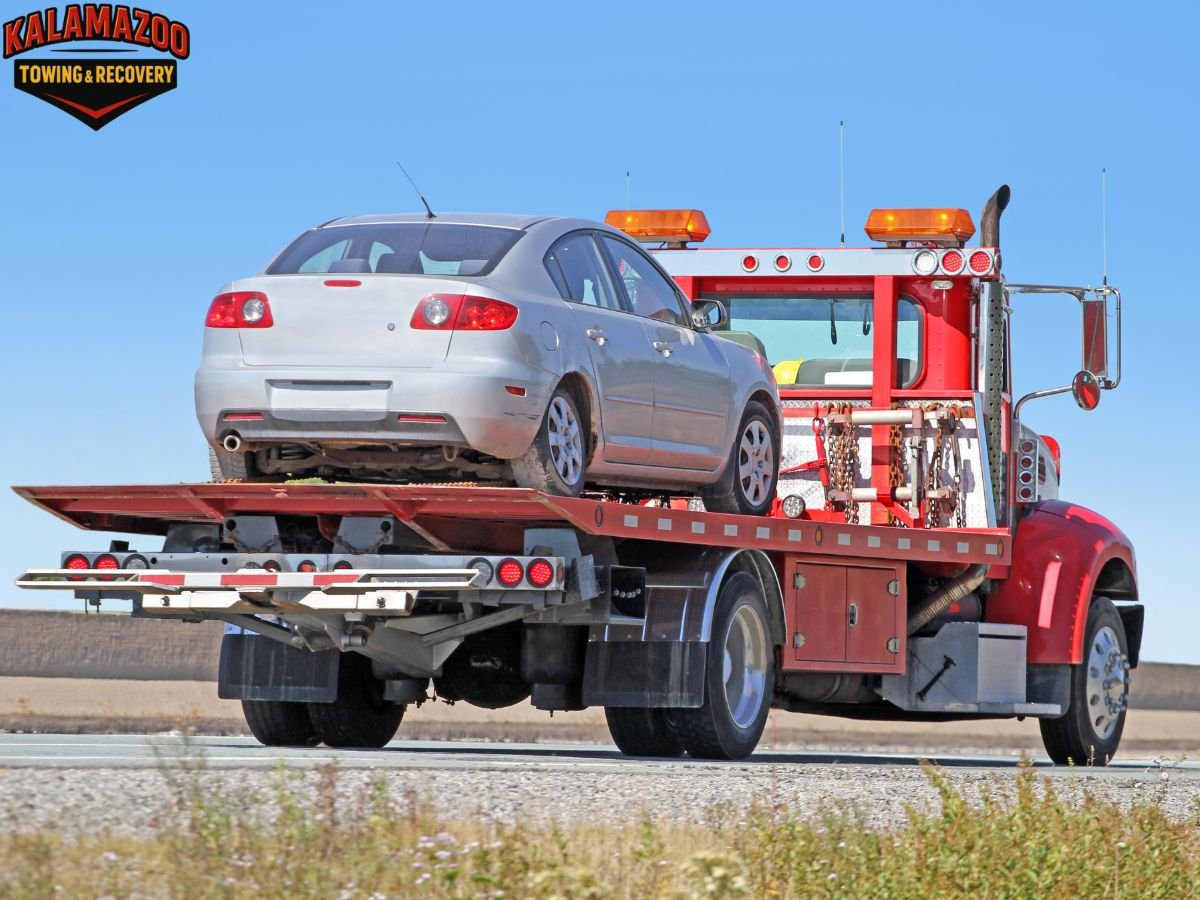
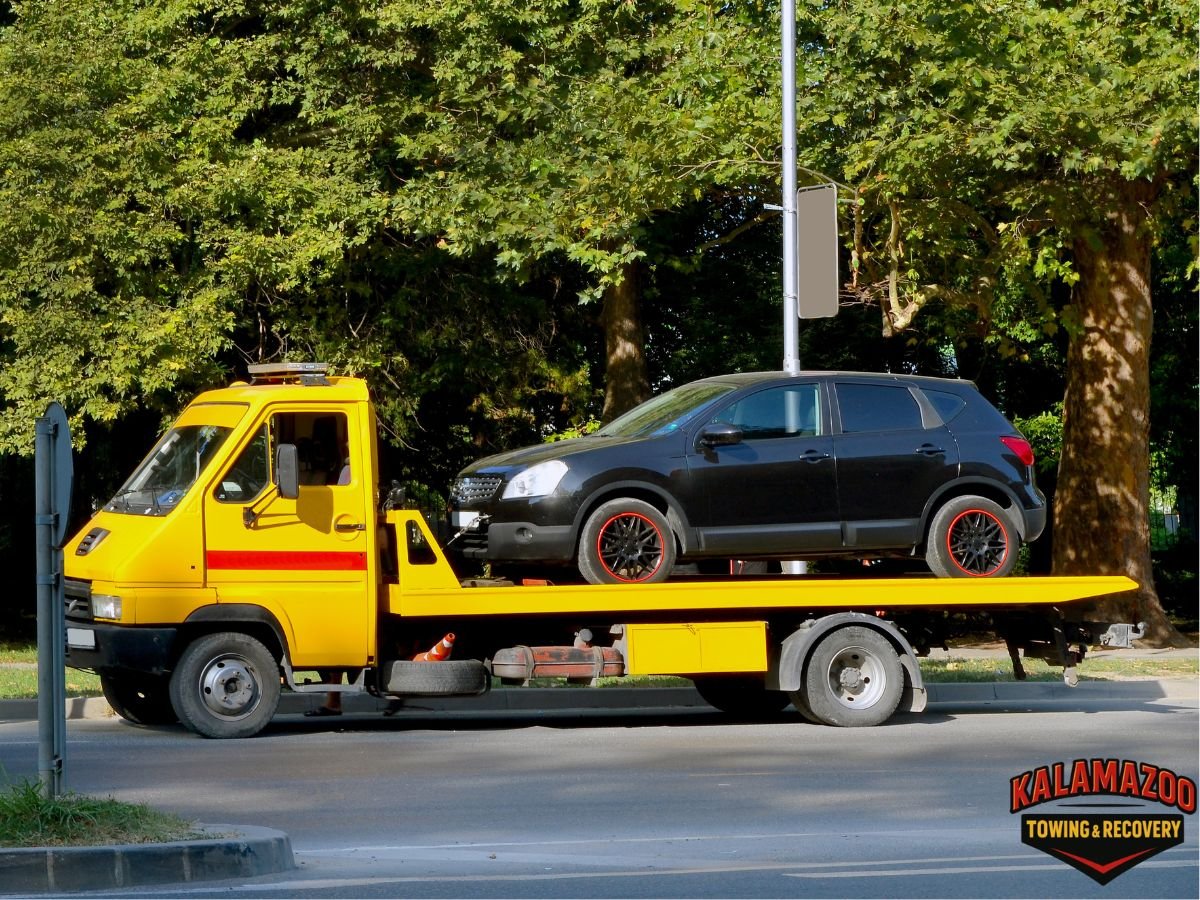
Flatbed towing loads your entire vehicle onto a truck’s hydraulic bed platform. Your car never touches the road during transport, creating a zero-contact towing experience that eliminates drivetrain stress and road hazard exposure.
The hydraulic system tilts the bed at a precise angle, allowing your vehicle to drive or winch onto the platform. Heavy-duty straps secure your car to the bed, distributing weight evenly across the frame. This method became the industry standard for high-value vehicles because it provides complete protection.
Modern flatbed trucks handle vehicles weighing up to 10,000 pounds, accommodating everything from compact cars to light trucks. The bed length typically ranges from 19 to 22 feet, providing adequate space for most passenger vehicles.
What is Wheel Lift Towing?
Wheel lift towing uses a hydraulic yoke system to lift either the front or rear wheels off the ground. Your vehicle travels with two wheels on the road and two wheels elevated, reducing contact points while maintaining forward mobility.
This method evolved from outdated hook-and-chain towing, incorporating modern safety features like adjustable yokes and hydraulic controls. The lift mechanism adapts to different wheel sizes and vehicle weights.
Modern wheel lift equipment includes safety chains, tie-down straps, and adjustable cradles that minimize vehicle contact. The system operates faster than flatbed loading, making it ideal for quick roadside assistance and urban towing situations.
The Critical Differences Between Methods
Contact points represent the fundamental difference between these methods. Flatbed towing eliminates road contact entirely, while wheel lift maintains partial ground contact. This difference determines stress distribution, setup complexity, and potential damage risk.
Load distribution varies significantly between methods. Flatbed distributes weight across the entire vehicle frame, while wheel lift concentrates stress on suspension components and drivetrain systems. Understanding these stress patterns helps you predict potential damage scenarios.
Setup time and complexity favor wheel lift towing for standard situations. Flatbed loading requires more positioning, securing, and safety checks. However, this additional time investment provides superior vehicle protection for challenging towing scenarios.
Flatbed Towing: The Gold Standard Approach

How Flatbed Towing Works
The flatbed process begins with precise truck positioning behind or alongside your vehicle. The operator activates hydraulic controls to tilt the bed at the optimal loading angle, typically 12-15 degrees from horizontal.
Your vehicle either drives onto the bed under its own power or gets winched up using a cable system. The operator guides the loading process, ensuring proper wheel placement and clearance from bed edges.
Once loaded, the bed returns to horizontal position. The operator secures your vehicle using multiple tie-down points, wheel nets, and safety straps. This 5-point securing system prevents movement during transport, protecting your vehicle from shifting damage.
Advantages of Flatbed Towing
Complete vehicle protection stands as flatbed towing’s primary advantage. Your car never touches pavement, eliminating tire wear, drivetrain stress, and road hazard exposure. This protection proves invaluable for luxury vehicles, classics, and high-performance cars.
All vehicle types benefit from flatbed towing. Front-wheel drive, rear-wheel drive, all-wheel drive, and 4WD vehicles transport safely without drivetrain complications. This universal compatibility eliminates guesswork from towing decisions.
Smart Car Considerations: Electric vehicles (EVs) and hybrids often require flatbed towing due to regenerative braking systems and battery protection protocols. Tesla, BMW i-series, and other EVs specify flatbed-only in their owner manuals to prevent electrical system damage.
Weather and road conditions favor flatbed towing. Snow, ice, construction zones, and debris-covered roads pose no threat to your elevated vehicle. This protection proves especially valuable during long-distance transport through varying conditions.
When Flatbed Towing is Essential
All-wheel drive and 4WD vehicles require flatbed towing to prevent expensive drivetrain damage. Luxury and exotic cars demand flatbed protection due to low ground clearance and high repair costs. Severely damaged vehicles need flatbed transport when wheel attachment points are compromised, and long-distance towing over 50 miles benefits from complete protection.
Wheel Lift Towing: The Efficient Alternative

How Wheel Lift Towing Operates
Wheel lift operation begins with hydraulic yoke positioning under either front or rear wheels. The operator adjusts yoke width to match your vehicle’s track width, ensuring proper wheel cradle alignment.
The hydraulic system lifts selected wheels approximately 6-8 inches off the ground, creating adequate clearance while maintaining stability. Safety chains connect to frame attachment points, providing backup security during transport.
The operator selects front or rear wheel lifting based on your vehicle’s drivetrain configuration. Front-wheel drive vehicles lift from the rear, while rear-wheel drive vehicles lift from the front, protecting active drivetrain components.
Benefits of Wheel Lift Towing
Cost-effectiveness makes wheel lift attractive for budget-conscious situations. Standard pricing typically runs 20-30% less than flatbed service, making it practical for short-distance emergency towing.
Faster setup and deployment suit urgent situations. Experienced operators complete wheel lift attachment in 3-5 minutes, compared to 8-12 minutes for flatbed loading. This speed advantage benefits emergency roadside assistance.
Real Customer Experience: “My 2024 Audi Q7’s all-wheel drive system would have cost $12,000 to repair if I’d chosen wheel lift instead of flatbed. Kzoo Towing responded in 25 minutes and handled everything perfectly.” – Sarah M., Kalamazoo, MI
Urban environment advantages include better maneuverability in tight spaces, reduced equipment size, and easier parking lot navigation. Wheel lift trucks operate in spaces too confined for flatbed equipment. Modern wheel lift services offer GPS tracking and real-time updates through mobile apps.
Ideal Scenarios for Wheel Lift Towing
Front-wheel drive vehicles work perfectly with rear wheel lifting, keeping drive wheels elevated while allowing the engine and transmission to remain neutral. Rear-wheel drive vehicles benefit from front wheel lifting, protecting steering components while keeping the drivetrain natural. Short to medium distance tows under 25 miles and emergency roadside situations favor quick wheel lift deployment.
Vehicle-Specific Considerations
Front-Wheel Drive Vehicles
Rear wheel lifting protects FWD vehicles by keeping drive components elevated and transmission systems unloaded. This configuration allows natural neutral positioning without forced wheel rotation.
Transmission and drivetrain protection requires proper neutral positioning and parking brake release. The drive wheels must rotate freely to prevent internal transmission damage during transport.
Common mistakes include front wheel lifting on FWD vehicles, which forces transmission components to operate under load. This error can destroy automatic transmissions (including CVTs – continuously variable transmissions) and clutch systems within miles.
Rear-Wheel Drive and All-Wheel Drive
RWD vehicles require front wheel lifting to protect steering components while allowing rear drivetrain natural positioning. The driveshaft remains connected, maintaining proper lubrication flow.
AWD and 4WD systems create challenges due to interconnected drivetrain components. Partial wheel lifting forces unnatural movement, potentially damaging transfer cases (power distribution units), center differentials, and electronic systems. Flatbed becomes mandatory for AWD vehicles unless you disconnect driveshafts, which typically costs more than flatbed service.
Electric and Hybrid Vehicle Considerations
Electric vehicles require special handling due to high-voltage systems and regenerative braking. Most EV manufacturers specify flatbed-only towing to prevent battery damage and electrical system stress. Tesla Model S, BMW i4, and Ford Mustang Mach-E all mandate flatbed transport in their service documentation.
Hybrid vehicles with complex drivetrains (like Toyota Prius AWD or Honda CR-V Hybrid) benefit from flatbed towing to protect both electric motors and traditional transmission components. The interconnected systems create multiple failure points with improper towing.
Cost Analysis: Budget vs. Protection

Flatbed Towing Costs
Pricing factors include equipment costs, setup time, and operator expertise. Expect to pay $100-200 for local flatbed service, with long-distance rates adding $3-6 per mile.
The extra cost justifies itself when preventing potential damage. A single transmission repair can cost $3,000-8,000, making the $25-75 flatbed premium minimal by comparison. Long-term savings emerge from damage prevention, maintained warranty coverage, and preserved vehicle value.
Wheel Lift Towing Economics
Standard pricing ranges from $75-125 for local service, making it attractive for budget-conscious situations. The 20-30% savings can matter for frequent towing needs. Cost-benefit analysis favors wheel lift for compatible vehicles in low-risk situations with short distances and good road conditions.
Insurance coverage often treats both methods equally, but verify your policy details through your insurer’s mobile app. Progressive, State Farm, and GEICO now offer instant towing coverage verification through their apps, with some providing preferred towing network discounts.
Hidden Costs of Wrong Towing Method
Potential vehicle damage expenses far exceed towing cost differences. Drivetrain repairs, suspension damage, and body work can cost thousands compared to modest towing premiums.
Warranty voiding risks emerge from improper towing methods. Many manufacturers specify flatbed requirements in warranty documentation, making method selection critical for coverage.
Repair costs versus proper towing investment demonstrate clear value. The $25-75 difference between methods pales compared to potential $5,000-15,000 repair bills from towing damage.
Safety and Damage Prevention
Common Towing Damage Scenarios
Transmission and drivetrain issues top the damage list from forced wheel rotation and improper positioning. Body and paint damage occurs from improper attachment points and road debris. Suspension and alignment problems develop from uneven stress distribution. These issues often don’t manifest immediately, appearing weeks after towing.
How Each Method Protects Your Vehicle
Stress point analysis reveals flatbed’s advantage in load distribution. Complete platform support spreads weight across the entire frame, eliminating concentrated stress on suspension points.
Weight distribution benefits favor flatbed for all vehicle types. The platform carries total vehicle weight without forcing components into unnatural positions or creating stress concentrations.
Road hazard protection eliminates tire damage, wheel rim impacts, and undercarriage strikes. Your vehicle travels safely above road debris, construction zones, and weather hazards.
Professional Standards and Best Practices
Industry certification requirements include proper training, equipment maintenance, and safety protocols. Look for towing companies with TRAA (Towing and Recovery Association of America) certification.
Proper equipment maintenance ensures safe operation and damage prevention. Well-maintained trucks with current safety inspections reduce breakdown risks during transport.
Operator training and expertise make the difference between safe transport and expensive damage. Experienced operators understand vehicle-specific requirements and proper securing techniques.
Industry Expert Quote: “With today’s complex vehicle electronics and hybrid systems, proper towing method selection is more critical than ever. One wrong choice can trigger thousands in computer system repairs.” – Jennifer Rodriguez, Master Towing Instructor, National Towing Academy
Making the Right Choice for Your Situation

Quick Decision Framework
Vehicle type assessment starts with drivetrain configuration. AWD and 4WD require flatbed, FWD works with rear lift, and RWD accepts front lift. Luxury vehicles favor flatbed regardless of drivetrain.
Distance and urgency factors influence method selection. Short emergency tows suit wheel lift efficiency, while long-distance transport benefits from flatbed protection. Weather conditions favor flatbed for enhanced safety.
Budget and insurance considerations balance cost against risk. Calculate potential damage costs versus towing premiums to make informed decisions. Verify insurance coverage requirements before choosing methods.
Questions to Ask Your Towing Company
Equipment availability and condition determine service capability. Verify they have appropriate equipment for your vehicle type and current safety certifications. Ask about GPS tracking capabilities, estimated arrival times, and mobile app updates for modern service standards. In Kalamazoo, look for towing companies that promise under 30-minute response times with trucks positioned strategically across the area.
Operator experience and certification ensure professional service. Ask about training, certification levels, and experience with your vehicle type. TRAA certification indicates professional standards. Local drivers who know area roads and traffic patterns provide additional advantages for safe, efficient transport.
Insurance and liability coverage protect you from additional costs. Verify their coverage limits, damage policies, and claim procedures before authorizing service. Request coverage documentation if needed.
Red Flags and Warning Signs
Unprofessional towing practices include rushing setup procedures, ignoring safety protocols, and using inappropriate equipment. These shortcuts increase damage risks significantly.
Inadequate equipment or training creates dangerous situations. Avoid companies with damaged equipment, uncertified operators, or poor safety records. Your vehicle’s protection depends on professional standards.
Pressure tactics and pricing schemes indicate unprofessional operations. Legitimate companies provide clear pricing, explain methods, and respect your decision-making process.
Conclusion and Expert Recommendations
The Verdict: When to Choose Each Method
Clear guidelines simplify decision-making. Choose flatbed for AWD/4WD vehicles, luxury cars, long distances, and maximum protection. Select wheel lift for compatible FWD/RWD vehicles, short distances, and budget-conscious situations.
Risk assessment determines method selection. High-value vehicles, challenging conditions, and critical transport needs favor flatbed protection. Standard situations with compatible vehicles suit wheel lift efficiency.
Professional recommendations emphasize protection over cost savings. The modest price difference between methods rarely justifies the significant damage risks from wrong choices.
Protecting Your Investment
Final tips for vehicle owners include understanding your vehicle’s requirements, researching towing companies in advance, and maintaining emergency contact information. Preparation prevents poor decisions during stressful situations.
Building relationships with reputable local towing services ensures reliable assistance when needed. Family-owned companies with deep community roots often provide consistent service quality and honest pricing without surprise fees.
Emergency preparedness strategies include knowing your vehicle’s towing requirements, maintaining roadside assistance coverage, and keeping important information accessible through cloud storage or mobile apps. Modern vehicles with advanced driver assistance systems (ADAS) may require recalibration after towing, adding to the importance of proper method selection.
Frequently Asked Questions (FAQ)
Q: Can wheel lift towing damage my Tesla Model 3?
A: Yes. Tesla specifically requires flatbed towing to protect the regenerative braking system and battery components. Wheel lift can cause permanent electrical damage.
Q: Is flatbed towing worth the extra cost for my Honda Accord?
A: For short distances under 15 miles, wheel lift (rear wheels lifted) works fine for front-wheel drive Accords. Beyond that, flatbed provides better protection.
Q: How do I know if my towing company is using proper equipment?
A: Look for current DOT certifications, TRAA membership, and modern trucks with GPS tracking. Avoid companies with rusty equipment or unprofessional operators.
Q: What should I do if my car has advanced safety features?
A: Cars with adaptive cruise control, lane assist, or parking sensors often need recalibration after towing. Choose flatbed to minimize stress on these sensitive systems.
Q: Can I track my car during towing?
A: Many professional towing companies now offer GPS tracking through mobile apps, providing real-time location updates and estimated delivery times.
The choice between flatbed and wheel lift towing ultimately depends on your vehicle type, situation requirements, and risk tolerance. Flatbed provides maximum protection for all vehicles, while wheel lift offers efficient service for compatible situations. Understanding these differences empowers you to protect your investment and make confident decisions when towing becomes necessary.