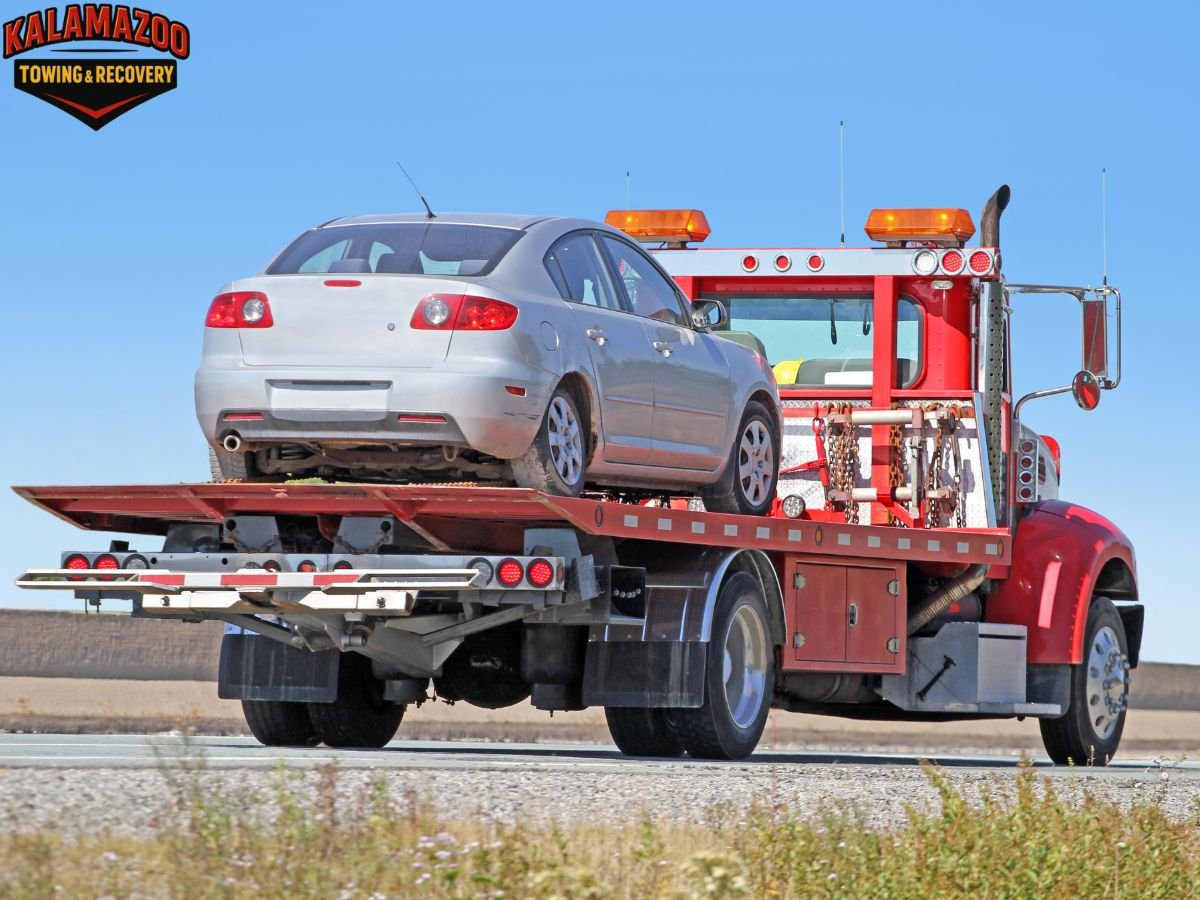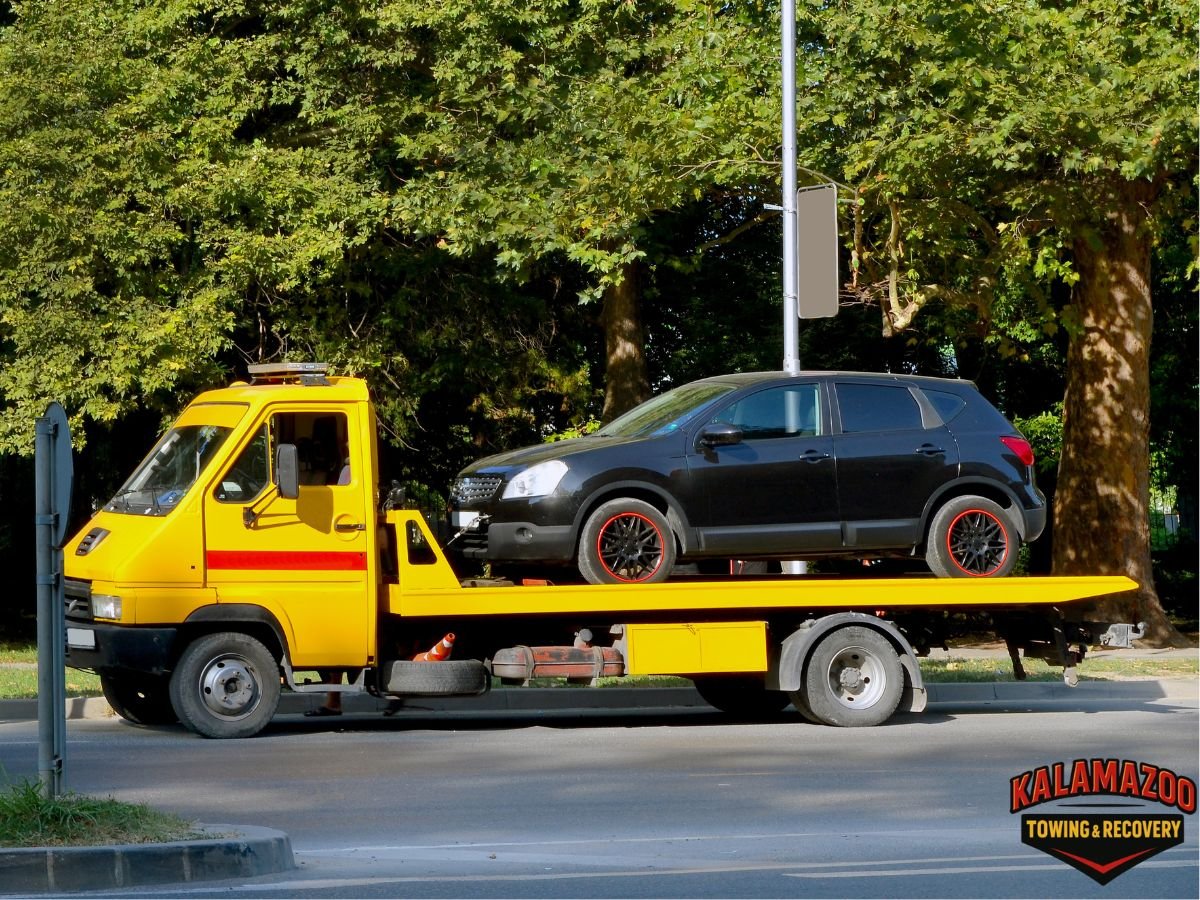
Your car breaks down on I-94 near Kalamazoo. The tow truck is 20 minutes away. What you do in these crucial moments determines whether you’ll have a smooth towing experience or face additional headaches, damage, and costs.
Most drivers panic and make costly mistakes during vehicle preparation. They forget essential items, skip critical safety steps, or fail to protect their car from towing damage. These oversights can lead to stolen belongings, insurance complications, and expensive repairs that proper preparation prevents.
Recent 2025 NHTSA data shows that 68% of towing-related issues stem from inadequate vehicle preparation, not equipment failure. This comprehensive checklist ensures you’re ready when emergency strikes, protecting both your vehicle and your peace of mind.
Understanding Pre-Towing Preparation: The Fundamentals

Why Proper Preparation Matters
Vehicle preparation protects your investment from unnecessary damage during transport. Loose items become projectiles, unsecured components shift and break, and forgotten valuables disappear. Proper preparation eliminates these risks while ensuring smooth handoff to towing professionals.
Safety considerations extend beyond vehicle protection. Emergency situations create stress and poor decision-making. A systematic preparation checklist keeps you focused on essential tasks while maintaining personal safety on busy roadways.
Insurance and liability factors make preparation crucial for claims processing. Documented vehicle condition, secured belongings, and proper authorization prevent disputes later. Insurance companies favor prepared customers who follow proper procedures.
Modern Vehicle Complexity Demands Updated Preparation
Today’s vehicles contain sophisticated electronics, hybrid systems, and advanced safety features that require special handling. Electric vehicles need battery disconnect procedures, while luxury cars have delicate trim and sensors requiring protection.
Smart car integration adds complexity through connected services, GPS tracking, and mobile app notifications. These systems need proper shutdown procedures to prevent battery drain and unauthorized access during extended towing periods.
Industry Expert Quote: “Modern vehicle preparation isn’t just about removing personal items anymore. With today’s complex electronics and hybrid systems, proper shutdown procedures prevent thousands in electrical damage.” – Jennifer Rodriguez, Master Towing Instructor, National Towing Academy
Immediate Safety Assessment: First 60 Seconds
Evaluate Your Situation and Location
Your first priority is personal safety and traffic hazard assessment. Move your vehicle completely off the roadway if possible, activate hazard lights, and position yourself safely away from traffic. On highways, exit your vehicle from the side away from traffic flow.
Weather and visibility conditions affect both safety and towing procedures. Rain, snow, fog, or darkness require additional precautions and may influence towing method selection. Communicate these conditions to your towing company immediately.
Emergency services coordination may be necessary for accident scenes or hazardous situations. Call 911 first if injuries exist or your vehicle creates traffic dangers. Towing companies work with emergency responders but cannot proceed until scenes are cleared.
Document Initial Vehicle Condition
Photograph your vehicle from multiple angles using your smartphone, capturing existing damage, vehicle position, and surrounding conditions. These images protect you from false damage claims and assist insurance processing.
Note mechanical symptoms and warning lights on your dashboard. Record any unusual noises, smells, or handling issues that preceded the breakdown. This information helps towing professionals select appropriate equipment and handling procedures.
Real Customer Experience: “I forgot to photograph my car before towing and later faced a $800 damage claim for a scratch that was already there. Now I always document everything first.” – Mike R., Portage, MI
Essential Items to Remove: The 5-Minute Priority List

High-Value Personal Belongings
Remove all electronics including phones, tablets, laptops, GPS devices, and charging cables. Towing and storage expose vehicles to temperature extremes and security risks that can damage or destroy electronic equipment.
Important documents require immediate removal: driver’s license, registration, insurance cards, and any business papers. Keep these with you rather than leaving them in glove compartments or consoles where they’re vulnerable.
Cash, credit cards, and valuable jewelry should never remain in towed vehicles. Even reputable towing companies cannot guarantee security during transport and storage. Remove these items immediately upon breakdown.
Items That Become Dangerous During Transport
Loose objects transform into projectiles during towing, potentially damaging interior surfaces, windows, or electronic components. Remove coffee cups, tools, sports equipment, and any unsecured items from seats and floors.
Fragile items like glassware, electronics, or collectibles need careful removal and protection. Towing vibration and movement can destroy these items even when they appear secure.
Aerosol cans, cleaning products, and automotive fluids can leak or explode under pressure changes during transport. Remove these hazardous materials to prevent interior damage and safety risks.
Vehicle-Specific Preparation Steps
Standard Gasoline Vehicles
Fuel level considerations affect towing safety and costs. Extremely low fuel levels can cause fuel pump damage, while completely full tanks create weight and spillage risks. Maintain quarter-tank levels when possible for optimal towing conditions.
Transmission positioning requires careful attention. Automatic transmissions should be in “Park” with parking brake engaged. Manual transmissions need neutral positioning with parking brake active. These settings prevent drivetrain damage during loading and transport.
Battery disconnect procedures may be necessary for extended storage situations. Loose or damaged battery terminals can create electrical shorts during towing vibration. Secure connections and consider disconnection for long-term storage.
Electric and Hybrid Vehicles
Electric vehicle preparation requires specific shutdown procedures to protect high-voltage systems. Turn off the vehicle completely, engage parking mode, and ensure charging port covers are secured. Many EVs require flatbed towing to prevent regenerative braking damage.
Hybrid systems need careful battery management during preparation. Some hybrids require 12-volt battery disconnection to prevent system conflicts during towing. Consult your owner’s manual for specific procedures.
Smart Car Considerations: Tesla Model 3 and other EVs with “Dog Mode” or “Sentry Mode” should have these features disabled to prevent battery drain during extended transport. Access these settings through the vehicle’s touchscreen menu.
Luxury and High-Performance Vehicles
Low-clearance vehicles require special preparation to prevent scraping during loading. Remove front spoilers or air dams if designed for removal. Position the vehicle carefully to minimize approach angle stress.
Convertible tops should be raised and secured before towing. Fabric tops are vulnerable to wind damage during transport, while hardtops can suffer mechanism damage if not properly latched.
Performance modifications like lowered suspensions, aftermarket spoilers, or custom exhausts need protection or removal. Document these modifications and inform towing professionals to prevent damage.
Documentation and Authorization Requirements

Essential Paperwork Preparation
Driver’s license verification ensures proper vehicle ownership and towing authorization. Have your license readily available for towing operators and keep a photo copy in your phone for backup reference.
Vehicle registration proves ownership and authorizes towing services. Current registration prevents legal complications and ensures smooth vehicle release from impound facilities if applicable.
Insurance information accelerates claims processing and may provide towing coverage verification. Many insurers offer app-based towing authorization and real-time claim filing for faster service resolution.
Digital Documentation Best Practices
Cloud storage backup of important documents prevents loss during emergencies. Store registration, insurance, and contact information in Google Drive, iCloud, or other accessible platforms for emergency access.
Emergency contact lists should include family, insurance companies, preferred towing services, and roadside assistance providers. Kalamazoo residents benefit from maintaining local service provider contacts for faster response times.
Authorization and Liability Forms
Towing company authorization forms require careful review before signing. Understand liability limitations, storage fees, and damage claim procedures. Never sign blank forms or agree to undefined charges.
Damage waiver considerations vary by company and situation. Some operators offer additional insurance for high-value vehicles. Evaluate these options based on your vehicle’s value and existing insurance coverage.
Communication with Towing Professionals
Critical Information to Provide
Vehicle location details ensure accurate dispatch and arrival times. Provide specific addresses, landmark references, and highway mile markers when available. GPS coordinates from your phone provide precise location data.
Vehicle specifications help operators select appropriate equipment. Provide make, model, year, and any modifications affecting towing. Mention low ground clearance, all-wheel drive, or hybrid systems requiring special handling.
Breakdown symptoms assist in towing method selection and safety precautions. Describe mechanical failures, fluid leaks, or electrical issues that might affect handling procedures.
Setting Proper Expectations
Response time estimates vary by location and demand. In Kalamazoo, professional services typically arrive within 30 minutes during normal conditions. Weather, traffic, or equipment availability can extend response times.
Cost discussions should occur upfront to prevent disputes. Request itemized estimates including mileage, equipment fees, and any additional charges. Understand payment methods accepted and billing procedures.
Questions to Ask Your Towing Company:
- What equipment will be used for my specific vehicle?
- Are drivers certified and experienced with my vehicle type?
- What insurance coverage protects my vehicle during transport?
- Do you offer GPS tracking and arrival notifications?
- Are there additional fees for after-hours or weekend service?
During the Towing Process: Your Active Role
Supervising Vehicle Loading
Loading supervision ensures proper equipment use and handling procedures. Stay visible to operators while maintaining safe distances from equipment. Point out any special considerations or concerns about your vehicle.
Securing verification involves checking tie-down points, strap tensions, and safety chain connections. Professional operators welcome customer involvement in safety checks when done respectfully and safely.
Safety Protocol: Never stand directly behind or in front of vehicles during loading operations. Hydraulic systems can fail, and vehicles can shift unexpectedly during positioning.
Final Preparation Checks
Interior security involves final sweep for forgotten items and ensuring all windows and doors are properly secured. Verify that sunroofs are closed and door locks are engaged before transport begins.
Exterior protection includes checking for loose trim pieces, antenna retraction, and mirror folding where applicable. These small details prevent damage during transport and show professional attention to detail.
Getting Transportation Documentation
Receipt documentation should include pickup location, destination, mileage rates, and estimated delivery times. Keep all paperwork with you throughout the towing process for reference and insurance purposes.
Contact information ensures communication throughout transport. Exchange phone numbers with the driver and verify dispatch contact information for updates or questions during transport.
Post-Towing Vehicle Inspection
Immediate Damage Assessment
Visual inspection upon delivery should occur before signing release forms or making payments. Document any new damage with photographs and note discrepancies on delivery receipts immediately.
Mechanical function checks include starting the vehicle, testing lights, and verifying that all systems operate normally. Some electrical issues may not appear immediately after towing, so monitor performance for several days.
Insurance and Warranty Considerations
Damage claim procedures require immediate notification to both towing companies and insurance providers. Most companies require claims within 24-48 hours of delivery for valid processing.
Warranty implications may affect coverage for vehicles still under manufacturer warranty. Some luxury car warranties specify approved towing methods to maintain coverage validity.
Emergency Preparedness and Prevention
Building Your Towing Emergency Kit
Essential supplies should remain in your vehicle for breakdown situations: emergency triangles, flashlights, basic tools, and first aid supplies. Include emergency contact cards with important phone numbers and insurance information.
Digital preparedness involves maintaining charged portable batteries, emergency apps, and cloud-based document storage. Modern smartphones provide essential communication and documentation tools during emergencies.
Developing Relationships with Local Services
Research reputable local towing companies before emergencies occur. Family-owned businesses with deep community roots often provide consistent service quality and honest pricing without surprise fees. In Kalamazoo, look for companies offering under 30-minute response times with strategically positioned trucks.
Roadside assistance programs through insurance companies, AAA, or vehicle manufacturers provide valuable backup options. These services often include flatbed towing, which provides superior vehicle protection for all situations.
Technology Integration and Modern Solutions

Mobile Apps and Digital Tools
Insurance company apps now provide instant towing coverage verification, claim filing, and preferred provider networks. Progressive, State Farm, and GEICO offer location-based towing requests and real-time service tracking.
Vehicle tracking systems in modern cars can assist towing companies with location services and vehicle status monitoring. Tesla, BMW, and other luxury brands offer remote monitoring capabilities during transport.
GPS and Communication Features
Real-time tracking allows you to monitor your vehicle’s location during transport, providing peace of mind and accurate delivery estimates. Many professional towing services now offer this feature through mobile apps or text notifications.
Communication platforms enable direct contact with drivers and dispatchers throughout the towing process. This connectivity helps resolve issues quickly and keeps all parties informed of any delays or changes.
Frequently Asked Questions (FAQ)
Q: How long should I expect to wait for a tow truck in Kalamazoo?
A: Professional services typically respond within 30 minutes during normal conditions. Weather, traffic, or high demand can extend response times to 45-60 minutes.
Q: Should I stay with my car while waiting for the tow truck?
A: Stay nearby but in a safe location away from traffic. Keep your vehicle visible but position yourself safely, especially on highways or busy roads.
Q: What happens if I forget something in my car after it’s towed?
A: Contact the towing company immediately. Most reputable companies allow supervised retrieval of forgotten items, though fees may apply for storage lot access.
Q: Can I ride in the tow truck with my vehicle?
A: Most professional towing companies prohibit passengers for liability reasons. Arrange separate transportation to your destination.
Q: How do I know if my car was damaged during towing?
A: Perform immediate visual inspection upon delivery and document any new damage before signing release forms. Report damage claims within 24 hours for proper processing.
Q: What should I do if the tow truck driver seems unprofessional?
A: Trust your instincts. Verify company credentials, ask for identification, and contact the dispatch office if concerns arise. Professional drivers carry proper certification and identification.
Conclusion and Expert Recommendations
The Complete Preparation Strategy
Proper vehicle preparation transforms stressful breakdown situations into manageable experiences. Following this systematic checklist protects your vehicle, belongings, and peace of mind while ensuring smooth interaction with towing professionals.
Emergency preparedness prevents panic-driven mistakes and costly oversights. Keep this checklist accessible through your smartphone or vehicle emergency kit for quick reference during actual breakdowns.
Protecting Your Investment Through Preparation
Vehicle towing represents a significant trust transaction between you and service providers. Proper preparation demonstrates professionalism and creates positive working relationships with towing operators who appreciate prepared customers.
The investment in preparation time pays dividends through prevented damage, faster service, and reduced stress during already challenging situations. These minutes of preparation can save hours of complications and hundreds of dollars in preventable issues.
Professional towing services work more efficiently with prepared customers who understand the process and have completed necessary preparation steps. This cooperation benefits everyone involved and ensures the best possible outcome for your vehicle transport needs.