Towing may seem straightforward, but the difference between pickup truck towing and commercial truck towing is much larger than most drivers realize. Each performs a unique function, is built for a specific weight class, and is equipped for different types of roadside emergencies. Pickup trucks excel in everyday towing situations involving smaller vehicles or light trailers, offering maneuverability and quick response times. Commercial tow trucks, in contrast, are engineered for heavy-duty operations and are equipped to handle vehicles many times larger—such as box trucks, buses, and machinery. Because of the complexity and weight involved, choosing the wrong towing method can lead to unsafe recovery attempts, vehicle damage, or even accidents.
When drivers face breakdowns, especially in demanding conditions, knowing which tow option to call can save time and reduce risk. With support from services like light-duty towing and heavy-duty towing, motorists can get the right assistance immediately. This article breaks down the major differences between these two towing types—covering towing capacity, equipment, costs, and emergency scenarios—to help you understand when each is needed and why choosing correctly matters.
Understanding the Key Differences Between Pickup Truck and Commercial Truck Towing
Towing Capacity and Weight Class Comparison
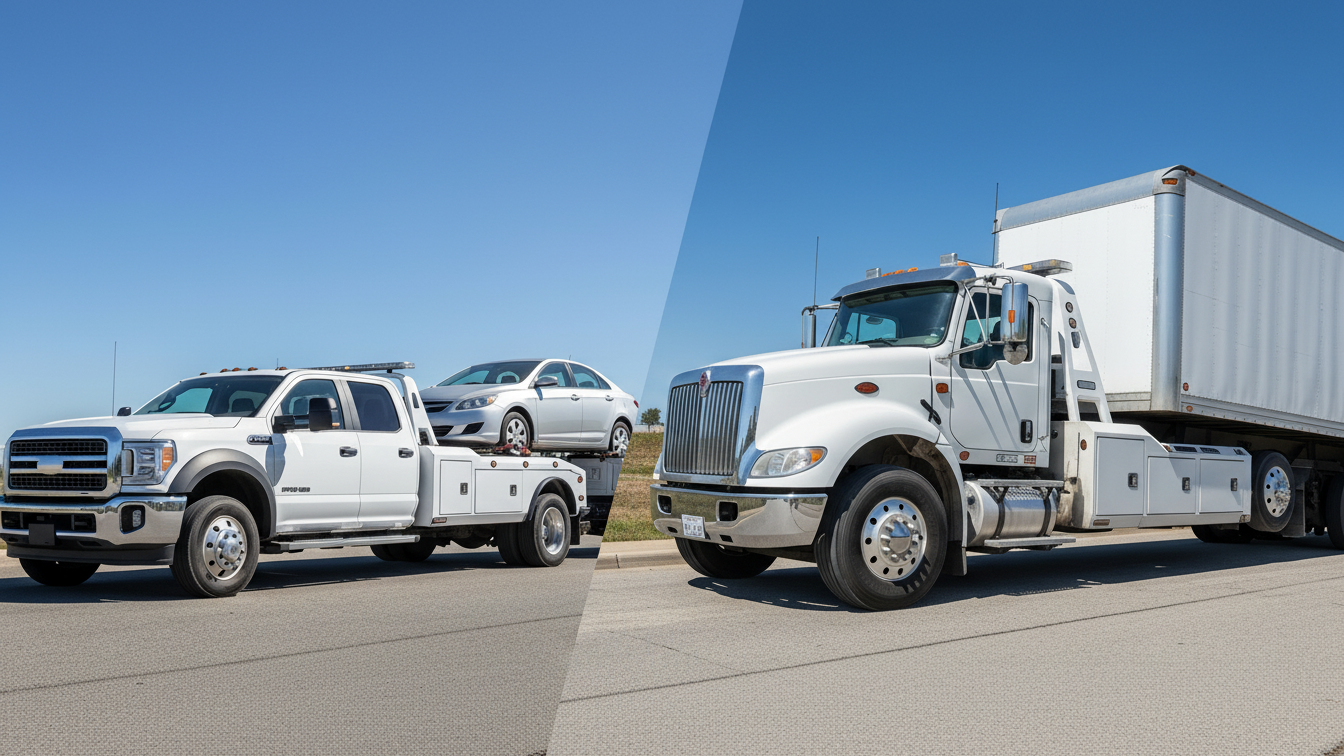
Pickup trucks fall into the light-duty or medium-duty category and are built to tow everyday vehicles such as small SUVs, sedans, motorcycles, and lightweight trailers. While modern pickups can tow between 5,000 and 20,000 pounds depending on their engine, suspension, and towing package, they still have clear limits. They cannot safely lift or transport multi-axle vehicles, box trucks, or fully loaded commercial units. Overloading a pickup truck not only endangers the tow operator but also risks damaging the vehicle being towed.
Commercial tow trucks, on the other hand, operate in the heavy-duty segment and are capable of towing 30,000 to 75,000 pounds or more. They feature industrial-grade engines, heavy steel frames, and high-capacity towing gear designed to handle oversized vehicles. These trucks are essential when dealing with semis, large vans, buses, or construction machinery. When towing tasks exceed the limitations of light-duty vehicles, drivers rely on heavy-duty towing specialists to ensure a safe and controlled recovery.
Structural Strength and Chassis Engineering
Pickup trucks are designed with consumer-grade frames that balance towing ability with everyday driving comfort. Their chassis, axles, and suspension components are strong enough for routine towing tasks but not built for extreme forces or industrial-level lifting. Even upgraded pickups cannot match the load-bearing stability needed for vehicles weighing tens of thousands of pounds.
Commercial tow trucks, however, are engineered with reinforced steel frames, oversized axles, and specialized hydraulic systems built for extreme stress. They include stabilizers, integrated booms, and high-capacity wheel-lift systems that provide control during complex recoveries. This architecture allows them to lift heavy commercial vehicles, reposition overturned units, and handle dangerous roadside conditions. When a large vehicle needs recovery, operators depend on professional vehicle recovery services to handle the job safely with industrial-grade equipment.
Road Conditions and Situations Each Vehicle Handles Best
Pickup trucks are ideal for towing in mild, predictable environments—such as paved roads, residential areas, and short-distance hauls. Their compact size and maneuverability make them perfect for assisting stranded drivers, towing smaller vehicles, and performing routine roadside services.
But when road conditions become extreme—such as steep grades, muddy shoulders, heavy snow, gravel paths, or tight construction zones—pickup trucks quickly reach their limits. Commercial tow trucks excel in these situations because of their size, power, and stability. They are equipped with stronger winches, wider stances, and advanced stabilization to prevent tipping or shifting during recovery.
In challenging environments like steep shoulders or ditches, drivers often depend on winch-out specialists to safely extract vehicles without causing further damage. Commercial trucks are designed to handle these conditions consistently and safely.
What Pickup Trucks Are Commonly Used For in Towing
Light-Duty Vehicle Towing
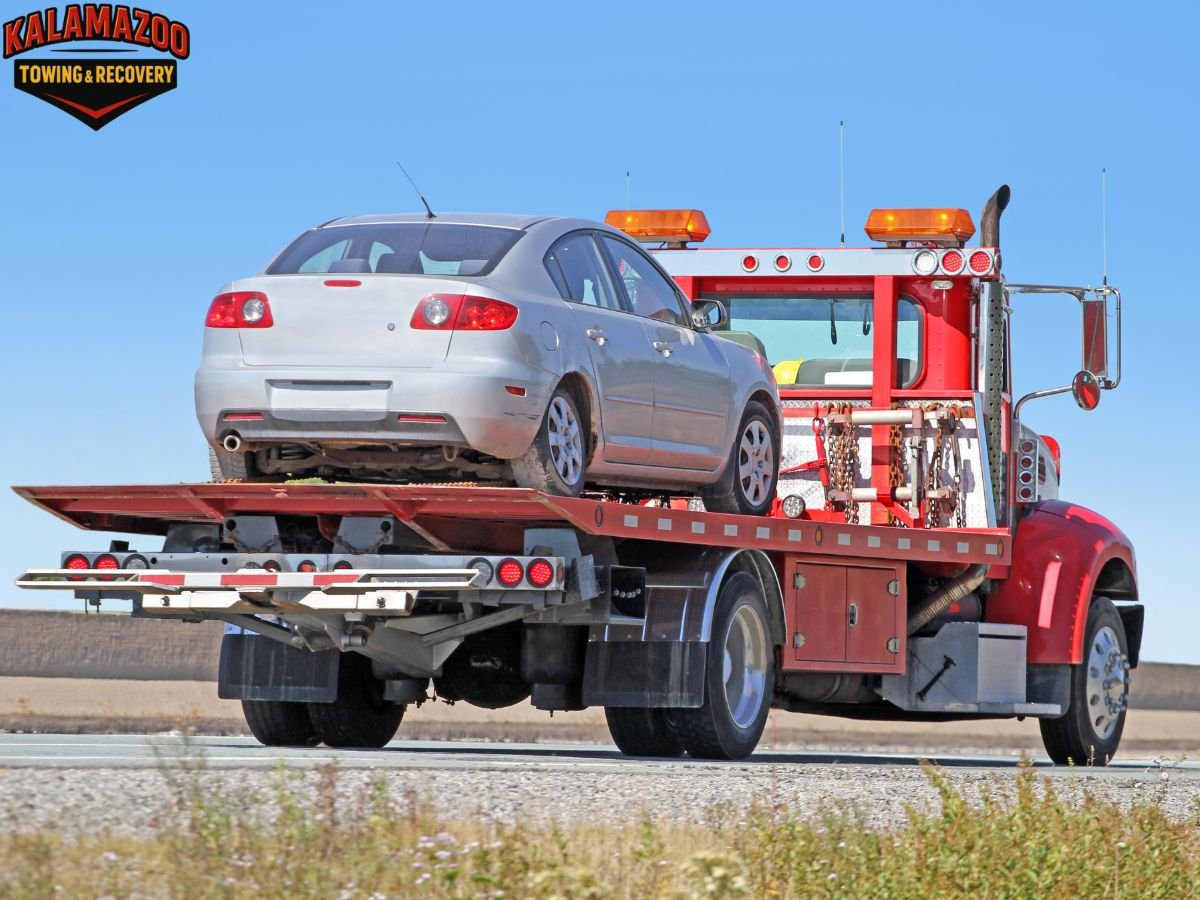
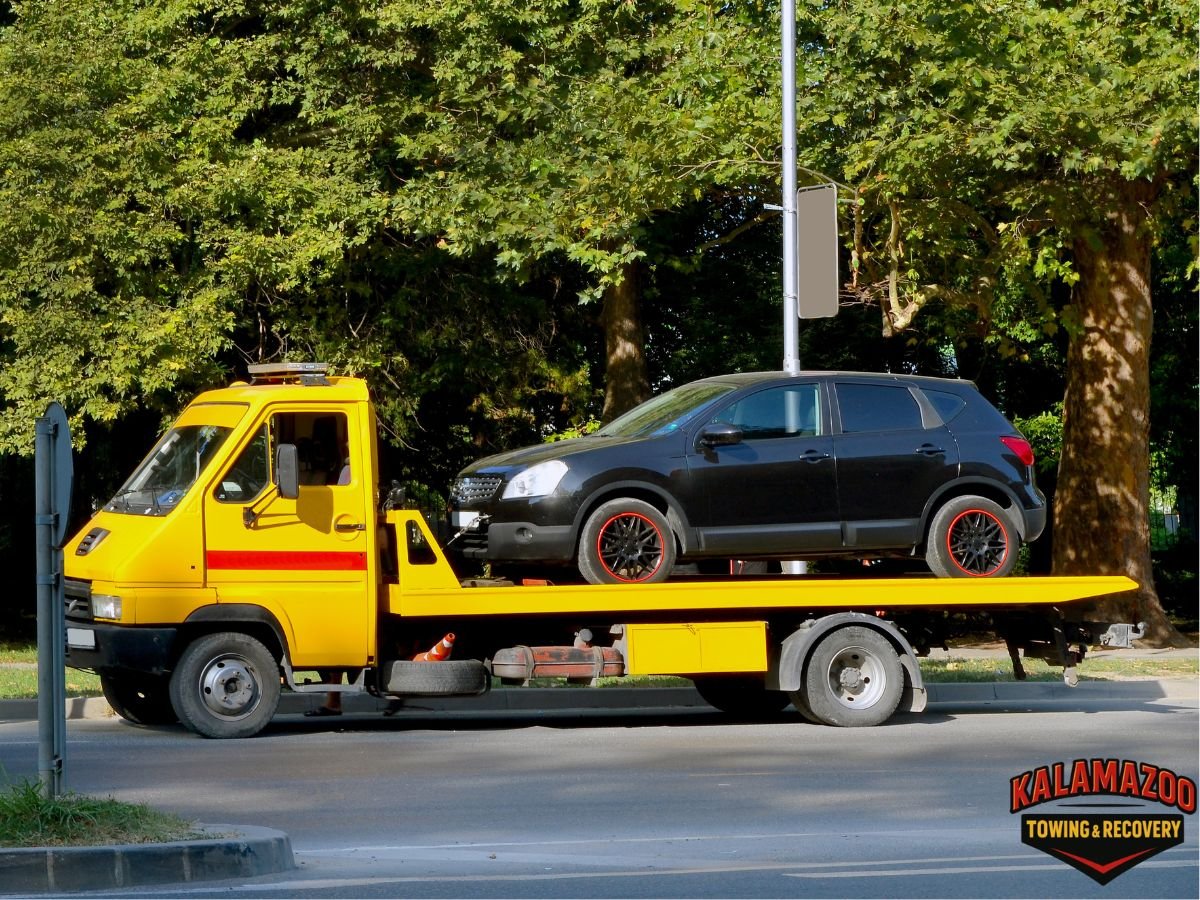
Pickup trucks are the backbone of light-duty towing services. They excel in transporting smaller vehicles like sedans, compact SUVs, and motorcycles. Their strength, agility, and cost-efficient operation make them ideal for short-distance recoveries and routine roadside calls. Because pickups can navigate tight streets and residential areas easily, they provide quick response times for common breakdowns. For small to moderate towing needs, operators often use light-duty towing capabilities to assist drivers without requiring heavier equipment.
Small Trailer, Boat, and Utility Hauls
Pickup trucks are widely used for hauling utility trailers, small boats, recreational gear, and construction tools. Their towing hitches, combined with flexible cargo beds, make them adaptable for homeowners, contractors, and outdoor enthusiasts. While they can handle mid-weight loads well, improper weight distribution or overloaded trailers can create risks such as swaying or brake strain. For stuck trailers or unstable situations, operators may need vehicle recovery support to manage the haul safely.
Everyday Use and Versatile Road Performance
Pickup trucks are extremely versatile, serving as both daily-use vehicles and capable tow trucks. Their maneuverability makes them perfect for local roadside tasks—such as jump-starts, battery replacements, and short tows. Their traction systems also work well on gravel or mildly uneven roads. However, when towing needs exceed their structural limits, the job must be transferred to heavy-duty towing professionals for safe and proper handling.
What Commercial Trucks Are Designed to Tow
Heavy-Duty and Oversized Vehicle Transport
Commercial tow trucks are purpose-built to tow extremely heavy vehicles such as box trucks, buses, large RVs, and semi-trucks. Their reinforced frames, industrial hydraulics, and powerful engines make them capable of towing loads that light-duty pickups cannot manage. When dealing with large commercial breakdowns, businesses rely on heavy-duty towing services to ensure safe and damage-free transportation.
Industrial Equipment, Machinery, and Cargo Hauling
Commercial tow trucks transport machinery like forklifts, generators, and construction equipment. They use flatbeds, integrated booms, and secure tie-downs designed for large industrial loads. This makes them indispensable for job-site equipment transport and complex commercial hauling. When machinery becomes stuck or disabled, operators depend on vehicle recovery service to manage extraction safely.
Specialized Recovery for Large Breakdown Situations
Commercial tow trucks are essential for major recoveries such as overturned semis, jackknifed trucks, or vehicles stuck on steep inclines. They use rotators, booms, and dual winch systems to lift and reposition heavy units. In complex environments, operators often rely on winch-out service to stabilize and remove vehicles safely.
Equipment Differences Between Pickup Tow Trucks and Commercial Tow Trucks
Winches, Tow Bars, and Wheel-Lift Systems
Pickup tow trucks use standard winches, tow bars, and wheel-lift systems designed for small to mid-size vehicles. These tools work well for minor roadside recoveries but cannot support vehicles weighing tens of thousands of pounds. Commercial trucks, however, use high-strength winches and industrial wheel-lift systems that provide the pulling force required to recover large vehicles. For complex extractions, operators rely on professional recovery systems built for high tension and controlled lifting.
Boom, Integrated, and Rotator Towing Capabilities
Commercial tow trucks feature advanced equipment, including booms, integrated tow arms, and rotators that can lift and rotate massive vehicles. Pickup trucks cannot match this level of engineering. Rotator trucks can perform 360-degree lifting, making them essential for clearing highways or handling overturned semis. These advanced setups are typically managed by heavy-duty towing experts.
Safety and Stabilization Systems Used in Commercial Towing
Commercial tow trucks use stabilizers, outriggers, air brakes, and reinforced hydraulics to maintain full control during heavy lifts. These safety systems prevent tipping or shifting during complex recoveries—capabilities that pickup trucks do not possess. When carrying out steep-slope extractions or high-risk recoveries, operators often use winch-out and recovery systems to ensure maximum stability.
Cost Differences Between Pickup Truck Towing and Commercial Truck Towing
Cost Factors for Light-Duty Towing Services
Pickup-based towing is typically more affordable because it requires less equipment, less fuel, and lower maintenance costs. Light-duty tows such as small cars or motorcycles can be handled quickly and efficiently. Services like local roadside assistance provide economical options for everyday breakdowns.
Why Heavy-Duty and Commercial Towing Costs More
Heavy-duty towing is more expensive due to the specialized equipment, advanced recovery systems, and operator expertise required. Rotators, integrated booms, and industrial winches cost significantly more to operate. Drivers depend on heavy-duty towing solutions for these large-scale jobs.
Distance, Complexity, and Equipment-Based Pricing
Terrain, distance, difficulty, and vehicle weight all influence towing costs. Recoveries involving ditches, mud, steep shoulders, or overturned vehicles require powerful equipment and expert handling. For complex extractions, operators turn to winch-out service to safely reposition or remove vehicles.
When You Should Choose Pickup Truck Towing vs. Commercial Truck Towing
Matching the Tow to Your Vehicle Type
Pickup towing works best for small vehicles, while commercial towing is necessary for large trucks, machinery, and oversized loads. Heavy vehicles always require heavy-duty capability to avoid damage and ensure safety.
Emergency Situations and Road Conditions
Pickup towing handles mild conditions, while commercial towing is ideal for steep hills, mud, snow, gravel, or unstable shoulders. When a vehicle is stuck or overturned, operators rely on winch-out technicians for safe extraction.
Long-Distance, Recovery, and High-Risk Towing Needs
Long-distance or high-risk towing requires commercial trucks with advanced cooling systems, reinforced drivetrains, and heavy-duty brakes. For major breakdowns, drivers depend on vehicle recovery experts who use specialized tools for safe transport.
Conclusion
Knowing the difference between pickup towing and commercial towing helps you choose the right service and ensures safe, efficient recovery. Pickup trucks are perfect for everyday towing involving smaller vehicles and short-distance tasks. Commercial tow trucks, with their extreme strength and advanced recovery systems, are essential for heavy-duty situations. When dealing with large or complex recoveries, always rely on KZOO’s heavy-duty towing professionals to ensure your vehicle is handled with maximum safety and care.