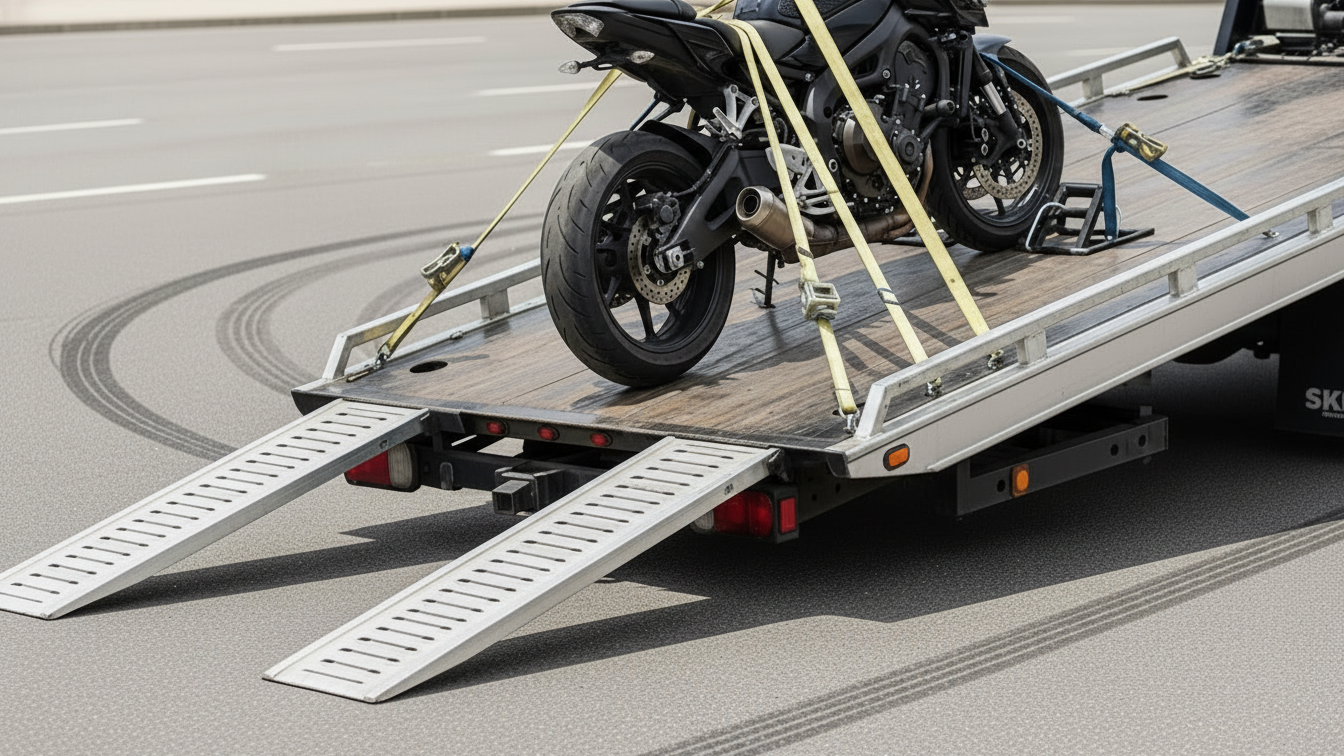
Motorcycles require a completely different approach to towing than standard vehicles, and attempting to move one without the right equipment or experience can lead to serious damage. Unlike cars, motorcycles balance on two narrow points of contact and rely on precise weight distribution to stay upright. Even a small shift during towing—such as a loose strap or sudden road vibration—can cause the bike to tip, scratch, or suffer frame damage. That’s why professional motorcycle towing services use specialized tools and techniques to secure the bike safely from the moment it is lifted until it reaches its destination.
The risks involved go far beyond cosmetic damage. A motorcycle’s handlebars, suspension, fairings, and drivetrain are more exposed than those of a car. Improper towing methods, especially DIY approaches using ropes or makeshift straps, can strain vital components and create costly mechanical problems. Experienced technicians, such as the team offering motorcycle towing services, understand exactly how to position, strap, balance, and transport a motorcycle to avoid these risks. Their training ensures that every step—from loading to unloading—is handled with precision and care.
This article explains why professional service is essential for motorcycle towing, highlighting the unique challenges, required equipment, safety benefits, and situations where expert help is the only safe option.
Understanding the Unique Challenges of Motorcycle Towing
Balance, Weight Distribution, and Stability Issues
Motorcycles are uniquely vulnerable during towing because their balance depends on two narrow wheels and a centered weight distribution. Unlike cars, which rest securely on four tires, motorcycles become unstable the moment they are shifted, tilted, or pulled without proper support. Even a slight imbalance can cause the bike to lean too far, tip over, or slide during transport. Professional towing technicians understand how to keep the motorcycle upright by securing multiple points on the frame and ensuring the bike’s center of gravity remains stable throughout the tow.
Weight distribution poses another challenge. Motorcycles carry more weight toward the engine area, and improper lifting or uneven strapping can put stress on critical components like the suspension, forks, or handlebars. This is why experts avoid hooking or strapping the bike from sensitive areas. Instead, they use precise methods designed for motorcycles, ensuring that no strain is placed on the wrong parts of the bike. Riders who care about avoiding structural stress or long-term wear know that the safest choice is to rely on professional motorcycle towing specialists who understand how to handle these delicate balance requirements properly.
Limited Contact Points and Risk of Frame Damage
Unlike cars, motorcycles don’t have multiple attachment points for secure towing. Their frame, wheels, and suspension aren’t designed to be pulled from various angles, making them far more susceptible to damage if handled incorrectly. Many DIY attempts use ropes or generic straps hooked to handlebars, mirrors, or exhaust pipes—parts never meant to support towing strain. This can bend metal components, stress the bike’s alignment, damage the forks, or even crack the frame. A motorcycle’s frame must remain perfectly aligned for safe riding, so even minor distortion can create dangerous performance issues on the road.
Professional towing teams avoid these mistakes by using designated tie-down points and equipment engineered specifically for motorcycles. They know exactly where the straps should be attached to avoid unnecessary pressure or bending. Experts also inspect the bike’s placement before moving it, ensuring it sits straight, level, and secure. Because the structural integrity of a motorcycle is so sensitive, riders rely on skilled towing technicians who understand how critical these limited contact points are—and how to protect them.
Why Motorcycles Require Specialized Handling
Motorcycles are precision-built machines that require specialized towing techniques, equipment, and experience. Their exposed engines, delicate fairings, chain drives, and brake systems make them far more fragile than standard vehicles during transport. A sudden road bump, strap slip, or incorrect loading angle can cause major damage. Professionals use ramps, wheel chocks, soft straps, and industry-approved tie-down systems to keep the motorcycle secure without harming components.
Motorcycles also differ in shape and geometry—sport bikes, cruisers, touring bikes, and dirt bikes all require different towing techniques. Experts understand these variations and adjust their methods accordingly, ensuring each motorcycle is transported safely. A trained tow operator knows how to secure different handlebar designs, protect paint and plastics, and prevent movement during transport. That is why riders rely on professional towing services who have the training and equipment required to handle every motorcycle model safely and efficiently.
Equipment Used by Professional Motorcycle Towing Services
Specialized Dollies, Straps, and Tie-Down Systems
Professional motorcycle towing relies on equipment specifically engineered to protect the bike’s structure and maintain stability during transport. One of the key tools is the motorcycle dolly—a secure platform that keeps the bike upright and prevents lateral movement. Unlike DIY boards or makeshift wooden planks, professional dollies have reinforced frames and rubberized surfaces that hold the tires securely without scratching or slipping. This equipment ensures that the motorcycle remains stable even when traveling over bumps or uneven pavement.
Straps are another essential component. Experts use soft, high-strength tie-down straps designed specifically for motorcycle frames and handlebars. These straps distribute pressure evenly and prevent damage to delicate components such as brake lines, fairings, or controls. Combined with high-tension ratchets and anchor points, these straps keep the motorcycle firmly in place throughout the tow. Professionals offering specialized motorcycle towing understand how to position and tighten these tie-downs to achieve maximum security without causing frame stress or scratches.
Flatbed, Wheel-Lift, and Motorcycle Cradle Towing
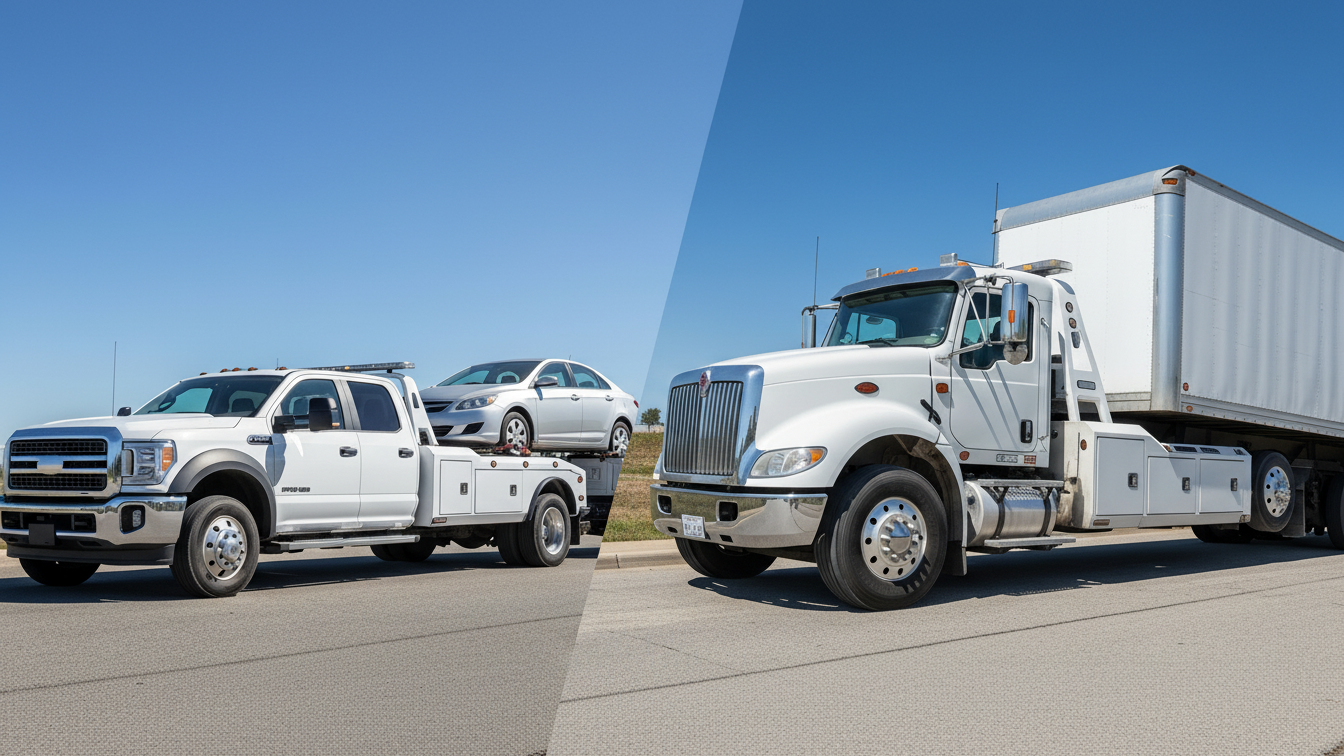
The type of towing method used depends on the motorcycle’s size, weight, and condition. Flatbed towing is the safest and most common method because it ensures that both wheels remain off the ground and the entire motorcycle is securely strapped in place. Flatbed trucks provide a stable platform and prevent unnecessary wear on the tires, chain, or suspension. Wheel-lift towing may be used for short-distance situations, but only when performed with motorcycle-specific lifting arms designed to cradle the bike’s frame safely.
Another highly effective method is the motorcycle cradle—an adjustable metal frame that supports the front wheel, locking it firmly in place while preventing shifting. The cradle works with additional straps to create a secure, upright position during transit. Only trained technicians know which method is safest for different models, which is why riders depend on professionals from certified towing teams to select the correct towing system for their bike.
Safety Gear Professionals Use to Protect the Bike
Motorcycle towing requires more than just good straps and the right truck—it requires specialized safety gear to protect exposed components. Soft handlebar protectors, wheel chocks, padded strap covers, and fork stabilizers are commonly used to ensure no part of the bike experiences unnecessary pressure or vibration. Protective cloths and foam pads shield painted areas and chrome surfaces from friction during transport. These additional layers of protection are essential, especially for motorcycles with custom paint jobs, extended fairings, or upgraded accessories.
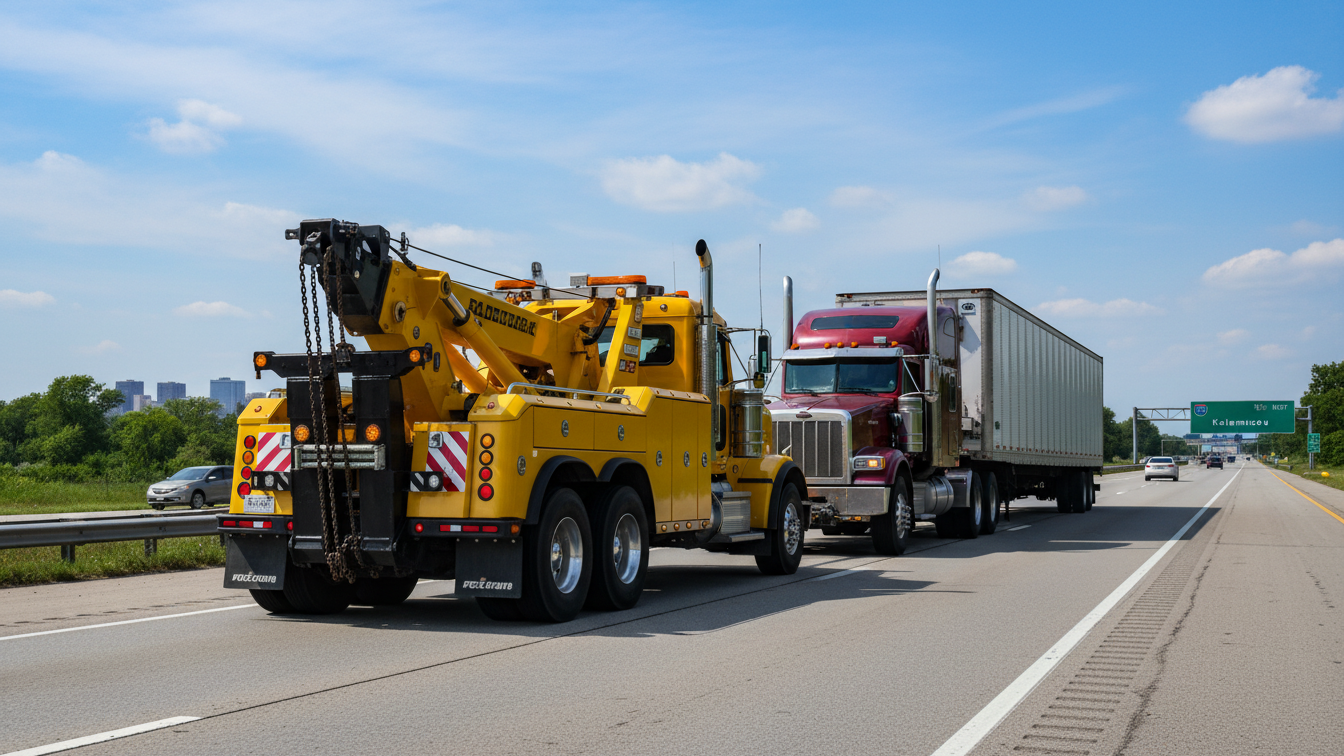
Professionals inspect all safety gear before each tow to ensure it’s in excellent condition. Worn straps or damaged padding can compromise the security of the motorcycle, so experts follow strict safety protocols. When emergencies require careful handling—such as during a recovery from mud, sand, or a roadside ditch—towing teams rely on vehicle recovery equipment to extract the motorcycle without causing damage. This commitment to thorough safety practices is one of the biggest reasons professional services are essential for motorcycle towing.
Why Pickup Trucks or DIY Methods Are Unsafe for Motorcycles
Lack of Proper Support and Risk of Falling
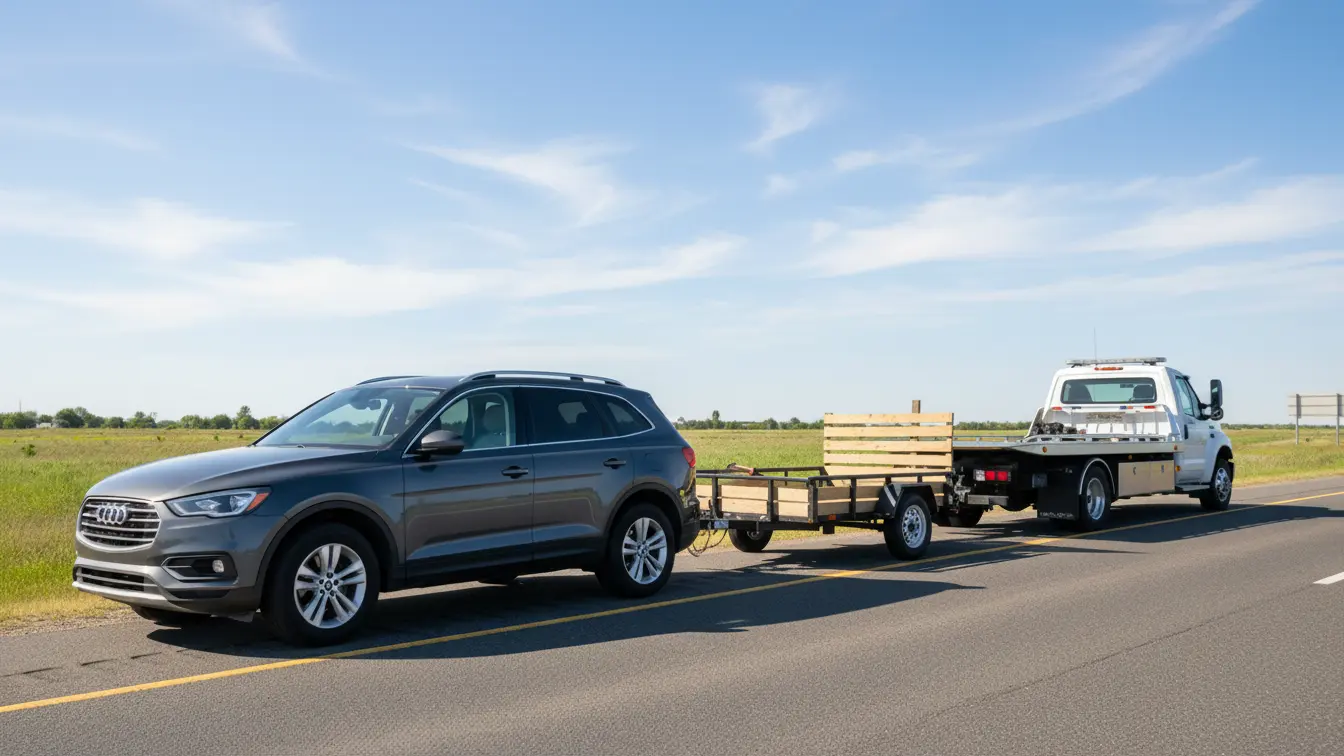
Motorcycles cannot be safely transported using improvised setups like household ropes, utility trailers without chocks, or the back of a pickup truck. These methods lack the structural support necessary to keep a motorcycle upright. Pickup truck beds are flat and offer no built-in stabilizing points for two-wheeled vehicles, meaning even a small turn or sudden brake can make the motorcycle tip over. Without proper wheel chocks, front-tire locks, and dedicated anchor systems, motorcycles shift easily—putting them at risk of falling, sliding, or colliding with the truck bed.
Many riders assume holding the bike by hand or leaning it against the truck bed is enough, but motorcycles can weigh 300 to 900 pounds. A minor jerk, bump, or speed change can result in the bike toppling over and causing damage. For safe and stable transport, trained operators use equipment specifically engineered for motorcycles, such as mounted chocks and reinforced anchor points. When the bike must be transported safely under unpredictable road conditions, riders rely on professional towing services rather than risking accidents with DIY methods.
Improper Strapping Techniques That Cause Damage
Most DIY motorcycle towing attempts fail because the strapping methods are incorrect. Attaching straps to handlebars, mirrors, foot pegs, or exhaust components can bend or break these parts instantly. Handlebars are particularly vulnerable—tightening straps too much can twist the bars, damage control switches, or compress the forks unevenly. Likewise, securing the bike from the wrong angle can cause the motorcycle to shift during transport, stressing the frame and suspension.
Professional motorcycle towing experts know the exact points where straps should be attached and how much tension to apply. They use soft straps, padded fasteners, and multi-point tie-down systems to distribute pressure safely. They also check suspension compression to prevent excessive stress on forks or shocks—something most DIY methods overlook. When motorcycles need secure and damage-free strapping, riders turn to trained towing technicians who understand proper techniques and industry standards.
Handling Emergencies and Breakdowns Safely
During an emergency breakdown, roadside conditions often make DIY towing attempts dangerous. A motorcycle stuck on a narrow shoulder, soft gravel, an incline, or wet pavement requires controlled handling and professional tools. Trying to lift or push the bike into a pickup truck under these conditions can lead to injuries, tipping accidents, or additional mechanical damage. Without winches, ramps, or proper lifting methods, riders risk further harming the motorcycle—and themselves.
Professional towing teams arrive with safe-loading ramps, wheel chocks, secure tie-down systems, and recovery tools designed specifically for motorcycles. They can load the bike from awkward angles, recover it from ditches, or lift it gently from unstable terrain. Using motorcycle recovery services ensures the bike is handled safely during tough situations. This level of control and expertise is impossible to achieve with DIY approaches, which is why relying on professionals is the only safe choice.
Benefits of Hiring Professional Motorcycle Towing Experts
Preventing Scratches, Dents, and Mechanical Damage
Motorcycles are sensitive machines with exposed components, custom paintwork, and delicate body parts such as fairings and handlebars. When towed improperly, even small mistakes can cause scratches, dents, or mechanical issues that are expensive to repair. Professional towing technicians use soft straps, protective pads, wheel chocks, and motorcycle-specific tie-down systems to eliminate the risk of damage during transport. They understand how much pressure to apply, where to strap the bike, and how to position it safely on the tow platform.
Additionally, experts know how to avoid mechanical harm that inexperienced hands might cause. Incorrect tension on the forks, a bent brake lever, or a damaged chain guide can all result from improper handling. To prevent these issues, riders trust certified motorcycle towing professionals who have the equipment and training needed to secure the bike without harming its structural integrity.
Faster Response Times and Expert On-Road Support
Professional motorcycle towing services offer quick and reliable response times, especially during breakdowns, accidents, or fuel-related emergencies. Towing teams are trained to arrive equipped with the right tools, assess the situation rapidly, and safely load the motorcycle. Their experience ensures the entire recovery process is handled efficiently, minimizing your time stranded on the roadside. This level of preparedness is essential during high-traffic situations, nighttime breakdowns, or when the weather is poor.
Beyond towing, professional teams often provide additional roadside services such as fuel delivery, jump-starts, or minor diagnostics. When riders encounter unexpected challenges, having access to 24/7 roadside assistance ensures the motorcycle gets the help it needs quickly. These services offer reliable support that DIY methods or untrained helpers simply cannot match.
Peace of Mind Knowing Your Motorcycle Is Protected
One of the biggest advantages of hiring a professional motorcycle towing service is the peace of mind it provides. Knowing your bike is transported using the right equipment, by trained technicians, and with complete attention to detail eliminates the stress associated with accidents or breakdowns. Professional tow operators carry insurance coverage, follow safety protocols, and adhere to industry standards for secure motorcycle transport.
Motorcycles hold sentimental and financial value for riders—often more than standard vehicles. Whether it’s a sports bike, cruiser, touring motorcycle, or a custom-built model, you want to ensure it is treated with care. By choosing professionals who follow strict techniques and use specialized equipment, riders can be confident their motorcycle will arrive safely and undamaged. This assurance motivates many to rely on trusted motorcycle towing experts rather than risking avoidable damage with DIY approaches.
When You Should Call a Professional Motorcycle Towing Service
After Accidents, Breakdowns, or Tire Failure
Accidents and breakdowns are the most common reasons riders need immediate towing assistance. Even a minor collision can misalign the handlebars, bend the forks, or damage the wheels—making it unsafe to ride the motorcycle. Attempting to move or tow a damaged motorcycle without professional tools can worsen the damage or cause the bike to fall. In cases of sudden engine issues, electrical failures, or flat tires, professional towing ensures the motorcycle is handled securely and transported without additional risk.
Motorcycle towing specialists have the training and equipment necessary to deal with post-accident recovery. They can assess the bike’s stability, use proper lifting techniques, and load it safely onto the tow platform. When riders experience road emergencies, they usually depend on expert roadside assistance to ensure both safety and proper handling.
When the Motorcycle Won’t Start or Is Stuck
Mechanical failures can occur anywhere—parking lots, highways, driveways, or remote areas. If the motorcycle refuses to start due to a dead battery, faulty ignition, fuel problems, or internal engine issues, pushing or attempting to load it manually can lead to injury or tipping accidents. In some cases, motorcycles become stuck in mud, gravel, soft shoulders, or uneven ground. Without the right extraction tools, you risk damaging the tires, chain, or suspension.
Professional tow teams arrive with ramps, wheel chocks, lifting equipment, and recovery tools designed for motorcycles. They can safely extract a stuck bike or load a non-starting motorcycle without risking damage. When dealing with an immobile or trapped motorcycle, riders rely on motorcycle recovery experts who know how to handle complex situations.
Long-Distance Transport, Recovery, and Safety Reasons
Long-distance motorcycle transport requires stability, temperature protection, and secure anchoring—factors that make DIY towing extremely risky. Pickup trucks lack the space and tie-down systems needed to maintain proper balance over long distances. Professional towing services use flatbeds and secure tie-down setups that keep the motorcycle stable during extended travel. They also ensure that vibrations, wind pressure, or sudden braking do not cause shifting or damage.
Long trips also involve varying road conditions—highway speeds, uneven pavement, weather changes, and heavy traffic. Trained operators understand how to transport motorcycles safely under these circumstances. For riders who value the safety of their bikes, hiring professional towing services is the most reliable way to guarantee secure long-distance transport. Choosing expert help ensures your motorcycle arrives in perfect condition, free from stress and unnecessary risks.
Conclusion
Motorcycle towing demands precision, the right equipment, and professional handling—far beyond what typical DIY methods or pickup trucks can safely offer. Because motorcycles balance on two narrow wheels and have sensitive structural components, even a minor mistake during towing can cause expensive damage or long-term mechanical issues. Professional towing services eliminate these risks by using specialized tools, secure tie-down systems, and expert techniques designed specifically for motorcycles. Their approach ensures the bike remains upright, protected, and stable throughout the entire transport process.
What truly sets professional towing apart is the expertise and safety it provides. From handling roadside emergencies to recovering motorcycles from difficult terrain, trained technicians know how to assess situations quickly and load the motorcycle without causing harm. They follow industry standards, carry the right equipment for every model, and use protective gear to prevent scratches, dents, or frame stress. Riders can feel confident knowing their motorcycle is in capable hands.
Whether your motorcycle won’t start, has been in an accident, or requires long-distance transport, choosing expert help is always the safest and most reliable option. By relying on trusted motorcycle towing professionals, you protect your investment, preserve your bike’s condition, and ensure it reaches its destination securely—every time.